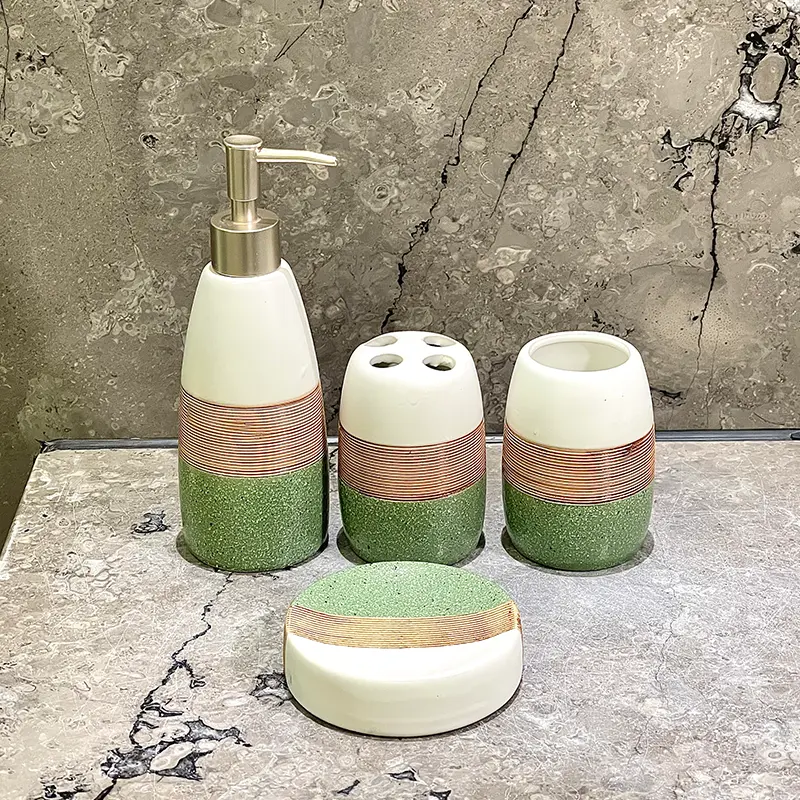
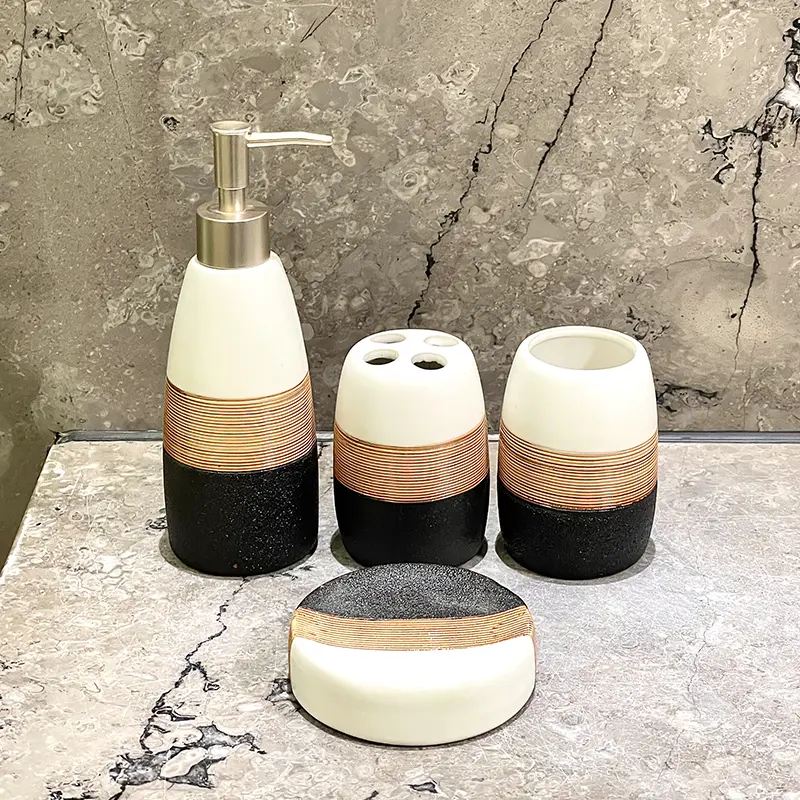
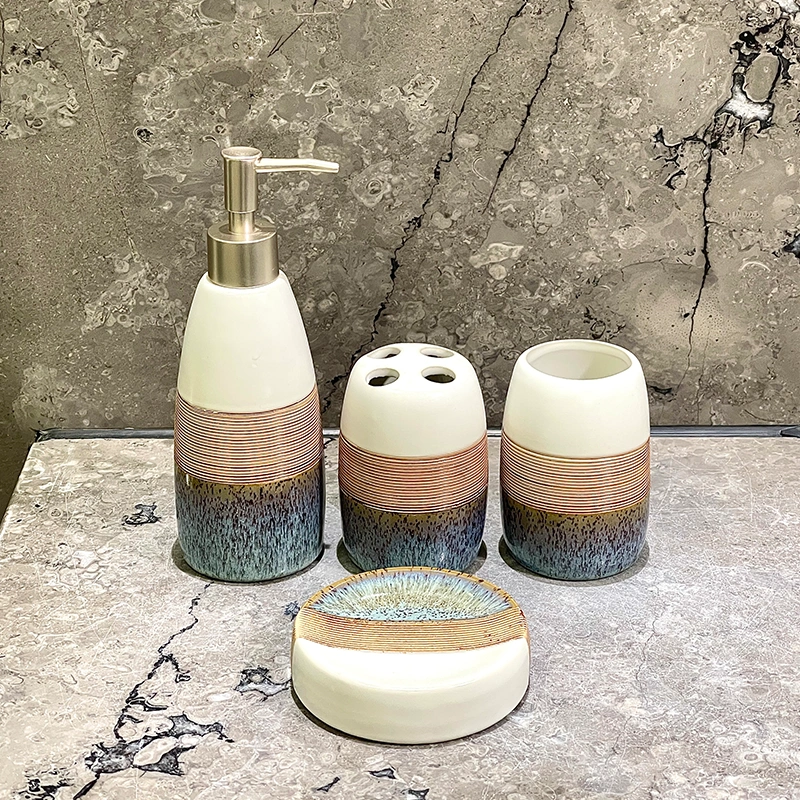
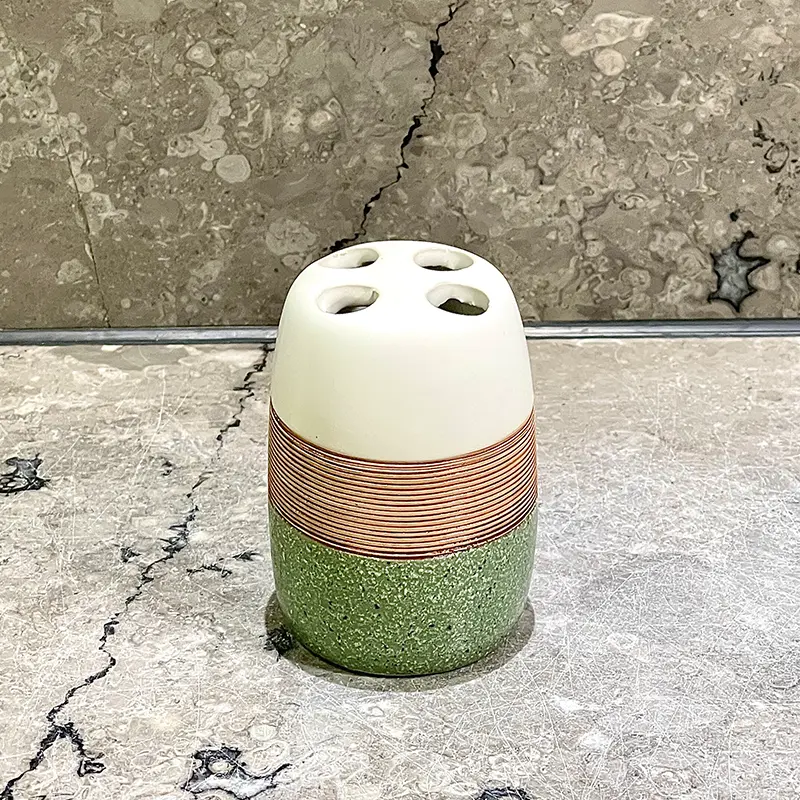
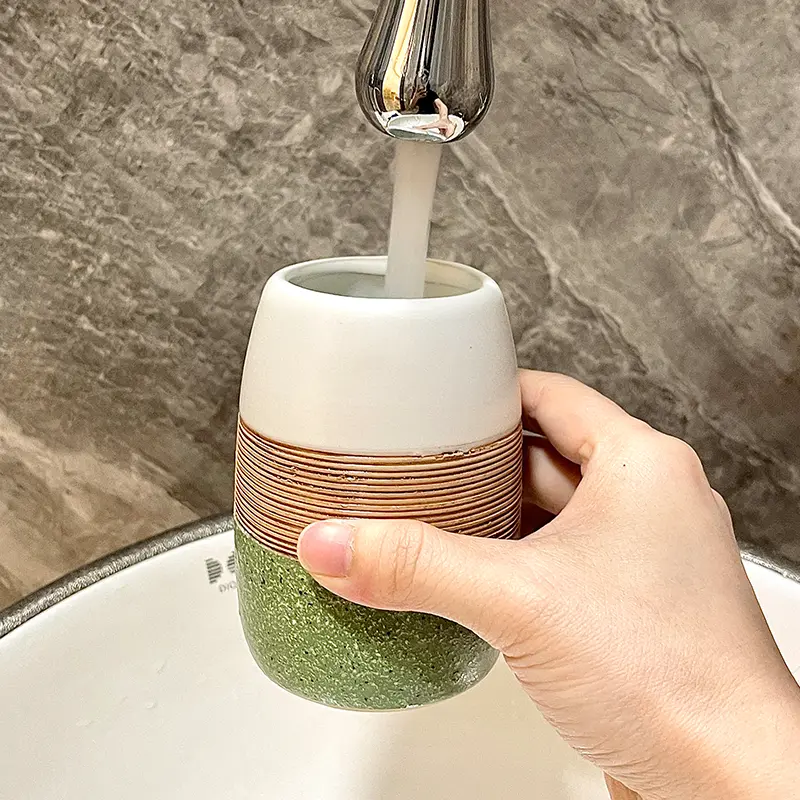
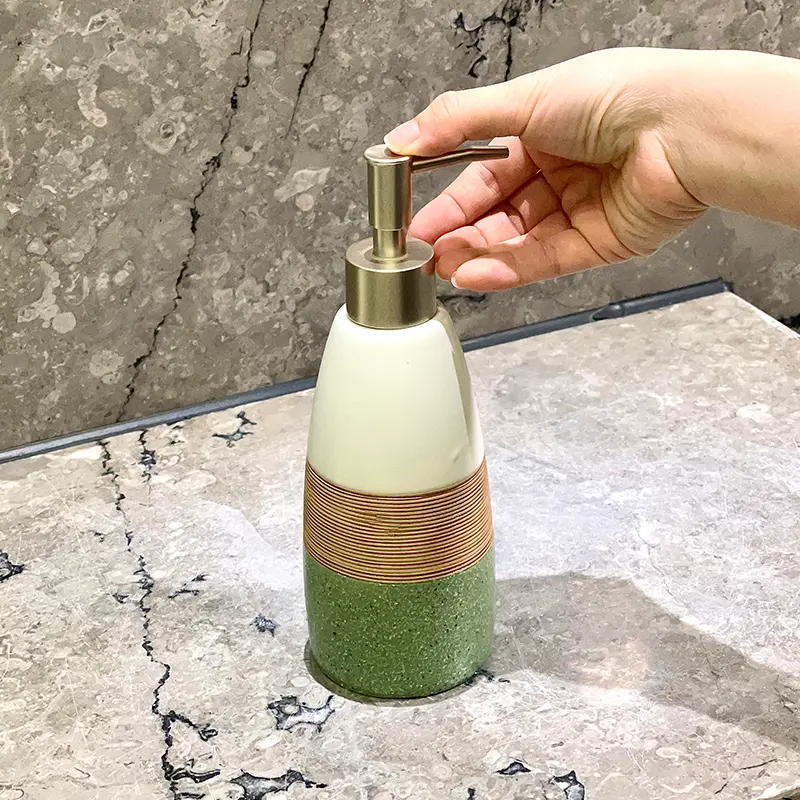
Successful ceramic bathroom accessories sourcing requires more than finding a supplier with the lowest minimum order quantity (MOQ). Buyers must evaluate unit prices, mold availability, glaze customization, packaging requirements, shipping costs, and inventory risks to determine the most economical order quantity.
Керамика Yigejia является custom ceramic bathroom accessories factory and manufacturer that helps global importers, wholesalers, retailers, and private-label brands develop customized bathroom accessory collections and build long-term supply partnerships.
What Does MOQ Mean in Ceramic Bathroom Accessories Sourcing?
MOQ (Minimum Order Quantity) refers to the smallest quantity a supplier is willing or able to manufacture or sell under specific production conditions.
When starting a ceramic bathroom accessories sourcing project, one of the first questions buyers ask suppliers is:
What is your MOQ?
For importers, wholesalers, retailers, and private-label brands, minimum order quantity directly affects purchasing budgets, inventory management, and cash flow.
However, ceramic manufacturers may have several different MOQ requirements:
| MOQ Type | What It Covers |
|---|---|
| Product MOQ | Minimum quantity for each ceramic product |
| Color MOQ | Minimum batch for a specific glaze color |
| Logo MOQ | Minimum quantity for logo printing or decoration |
| Packaging MOQ | Minimum order for customized retail boxes |
| Pump MOQ | Minimum quantity for soap dispenser pumps |
| Mold MOQ | Production commitment associated with new mold development |
For example, a supplier may quote 500 pieces as the product MOQ. However, custom printed packaging may require 1,000 boxes, while customized dispenser pumps may have a separate minimum order.
During ceramic bathroom accessories sourcing, buyers should always clarify whether the MOQ applies per SKU, per color, per complete set, or per customization option.
Why Is the Lowest MOQ Not Always the Best Choice?
The lowest MOQ reduces the initial purchasing commitment, but it can increase the cost per unit.
Many manufacturing expenses remain relatively fixed regardless of order quantity, including production preparation, mold setup, glaze preparation, kiln scheduling, inspection, and packaging setup.
Consider this simplified example:
| Cost Item | 500 комплектов | 2,000 Sets |
|---|---|---|
| Total setup cost | $2,000 | $2,000 |
| Setup cost per set | $4.00 | $1.00 |
The larger order distributes the same setup cost across more products, reducing the setup cost per set.
These figures are illustrative calculations, not industry-average prices or supplier quotations.
However, ordering more is not always better. Excessive inventory can increase warehousing expenses, tie up working capital, and create unsold stock.
The best order quantity balances unit cost, inventory risk, cash flow, and expected sales.
How Do Customization Requirements Affect MOQ?
Customization is an important consideration when sourcing ceramic bathroom accessories, especially for private-label brands and retailers developing exclusive collections.
Different customization requirements create different production costs and minimum quantities.
| Настройка | Potential MOQ Impact | Practical Solution |
|---|---|---|
| Existing product mold | Lower development requirements | Select existing designs |
| New product mold | Additional development costs | Confirm demand before development |
| Custom glaze color | Dedicated glaze preparation | Share colors across products |
| Оформление логотипа | Additional setup requirements | Confirm decoration method |
| Индивидуальная упаковка | Separate packaging MOQ | Consider standard packaging initially |
| Custom dispenser pump | Separate component MOQ | Use standard pump options |
Existing molds vs. custom molds
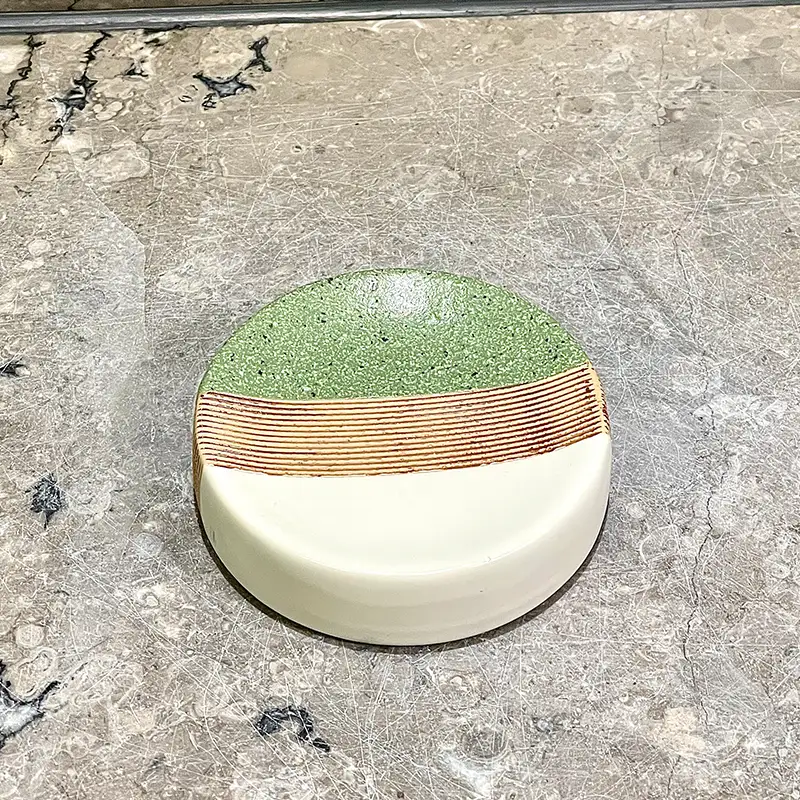
Using existing molds for soap dispensers, toothbrush holders, tumblers, and soap dishes can reduce development costs and shorten the product development process.
A completely new design may require mold development, sampling, testing, and design adjustments. Buyers should discuss these requirements before confirming their purchasing budget.
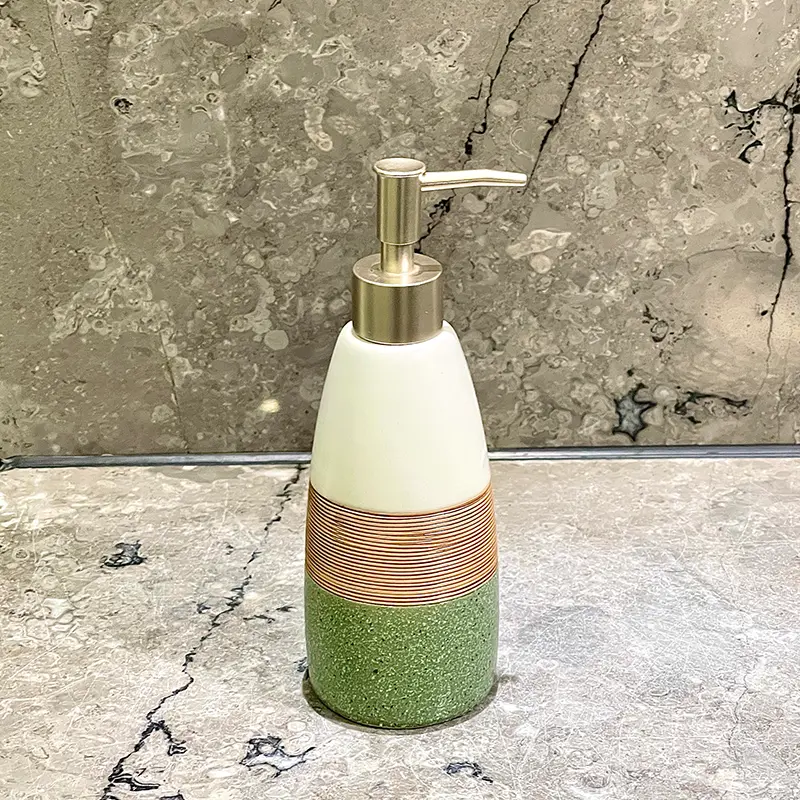
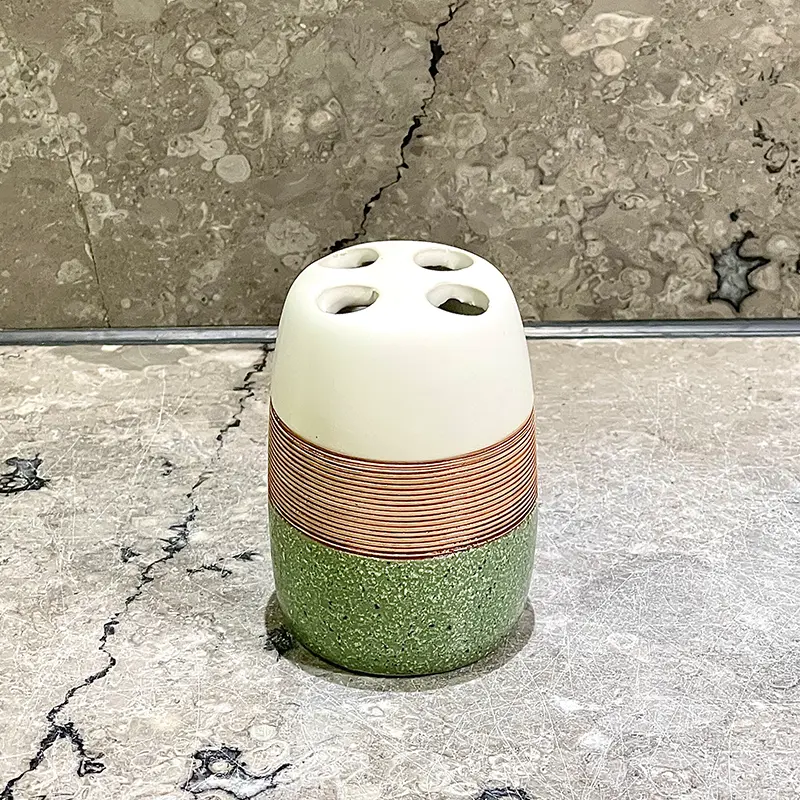
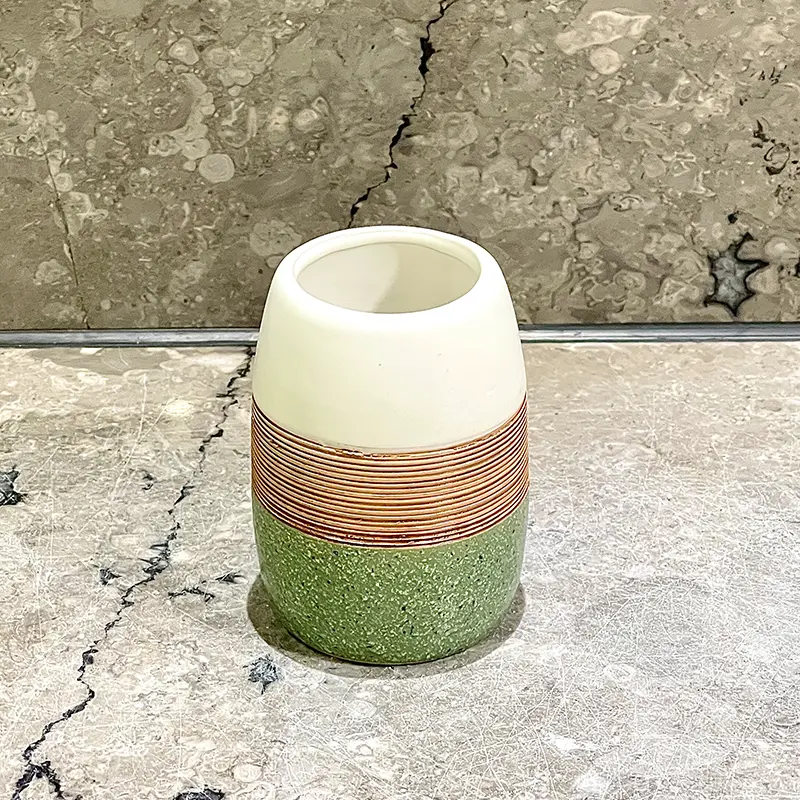
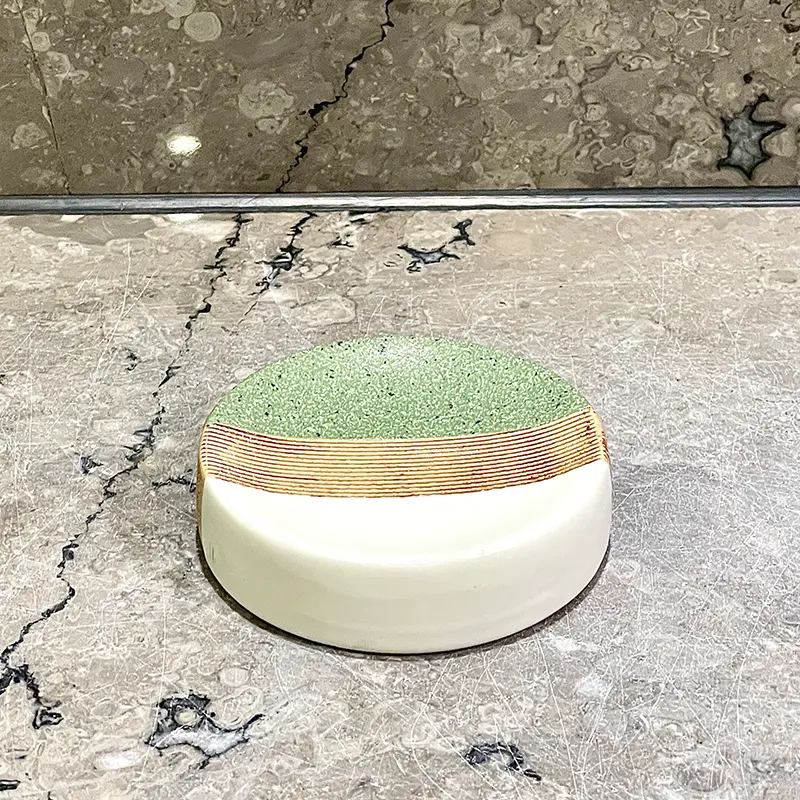
Custom colors and glaze preparation
A unique glaze color may require color development, sample firing, approval, and dedicated production preparation. Consequently, custom colors can increase MOQ, unit prices, or lead times.
Packaging and dispenser components
Private-label packaging and soap dispenser pumps may have independent supplier requirements. Buyers should discuss these details early rather than waiting until the ceramic samples are approved.
How Can Buyers Calculate the Real Cost of Ceramic Bathroom Accessories Sourcing?
Factory unit price alone does not represent the complete purchasing cost. Buyers should compare the estimated landed cost per set.
A practical calculation includes:
Landed Cost = Product Cost + Packaging + Inland Transportation + Export Costs + International Freight + Insurance + Import Duties + Customs Costs + Local Delivery
For example, consider two hypothetical supplier quotations:
| Comparison | Supplier A | Supplier B |
|---|---|---|
| минимальный объем заказа | 500 sets | 1,000 sets |
| Цена за единицу | $15.00 | $12.50 |
| Product purchase value | $7,500 | $12,500 |
| Other costs | Higher per-unit costs | Better cost efficiency |
Supplier A requires less initial investment, while Supplier B offers a lower product price. The buyer must calculate freight, packaging, import charges, and inventory expenses before deciding.
International shipping terms also matter. The International Chamber of Commerce (ICC) explains how Incoterms® 2020 allocate transportation obligations, costs, and risks between buyers and sellers.
Logistics performance should also be considered when evaluating overseas suppliers. The World Bank’s 2023 Logistics Performance Index covers 139 countries, assessing factors such as customs efficiency, infrastructure, shipment arrangements, and delivery reliability.
For ceramic products, which are relatively heavy and fragile, buyers should also evaluate protective packaging, carton loading efficiency, and transportation damage risks.
What Is the Best MOQ for Different B2B Buyers?
The ideal MOQ depends on the buyer’s business model, sales forecast, and distribution capacity.
| Тип покупателя | Main Purchasing Priority | Recommended Approach |
|---|---|---|
| Importers and wholesalers | Competitive unit price | Compare volume-based quotations |
| Розничные сети | Stable supply and product consistency | Plan quantities around store demand |
| Бренды электронной коммерции | Cash flow and inventory flexibility | Start with manageable quantities |
| Private-label startups | Customization and market testing | Use existing molds and selective customization |
| Hotels and hospitality buyers | Project quantities and replacement supply | Calculate requirements by project |
For example, a new online brand testing a beige ceramic bathroom set may benefit from a smaller initial order. An established distributor supplying multiple retail stores may achieve better purchasing efficiency with a larger order.
There is no universal MOQ that works for every buyer. The correct quantity depends on actual demand and production conditions.
How Can Buyers Negotiate a Better MOQ with Ceramic Manufacturers?
Effective ceramic bathroom accessories sourcing requires buyers to understand why a supplier sets a particular MOQ. Instead of simply requesting a lower quantity, consider these five strategies:
- Choose existing product designs. Use available molds to reduce development costs and avoid unnecessary tooling investment.
- Combine multiple SKUs. Order soap dispensers, toothbrush holders, tumblers, and soap dishes as one coordinated collection. Confirm whether the manufacturer calculates MOQ per item or per collection.
- Share glaze colors. Applying the same color across multiple products can simplify glaze preparation and improve production efficiency.
- Separate product and packaging orders. Consider standard packaging for the first order or purchasing additional custom boxes for future production when storage and design stability allow.
- Customize strategically. Prioritize features that create real customer value, such as exclusive glaze colors, logo decoration, or distinctive packaging, while keeping other components standard.
Buyers should also request quotations at several quantities, such as 500, 1,000, 1,500, and 2,000 sets. Comparing these price breaks provides a clearer picture of production economics.
What Should Buyers Check Before Choosing a Ceramic Bathroom Accessories Manufacturer?
MOQ should never be the only supplier selection criterion. A reliable manufacturer must demonstrate production capability, quality management, customization experience, and long-term supply support.
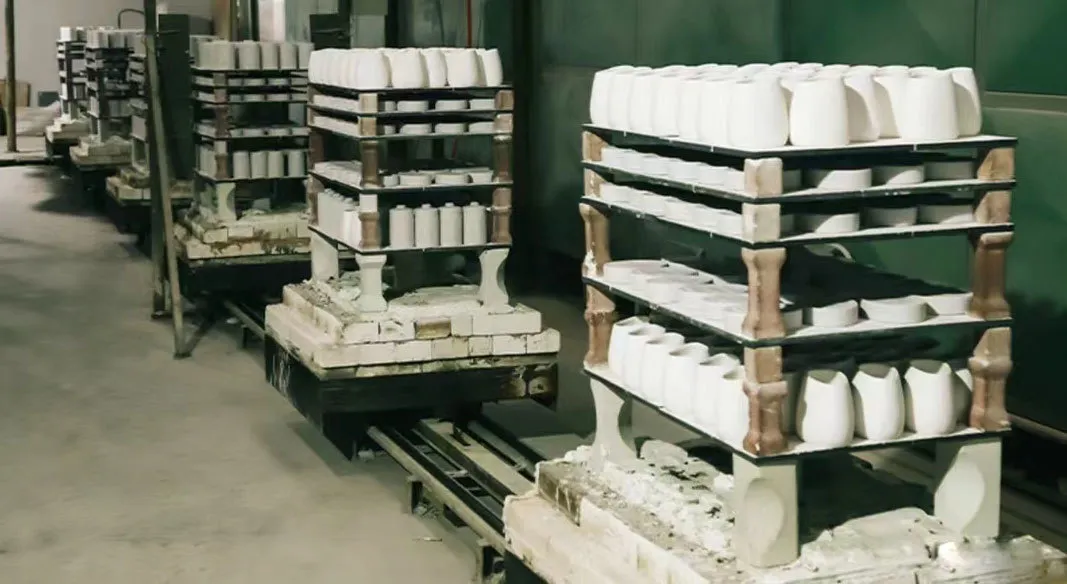
Before placing an order, evaluate the following:
- Manufacturing experience: Does the factory have established ceramic production experience?
- Production capabilities: Does it support injection-free ceramic forming processes such as slip casting, roller forming, and high-pressure forming?
- Product range: Can it supply complete collections, including soap dispensers, toothbrush holders, tumblers, soap dishes, and bathroom trays?
- Персонализация: Can it develop different glaze finishes, colors, logos, and packaging?
- Quality control: Does it inspect product appearance, dimensions, glaze consistency, and finished-product quality?
- Production capacity: Can it support repeat orders and increasing purchasing volumes?
- Communication: Can the supplier clearly explain MOQ, quotations, samples, production schedules, and shipping arrangements?
For long-term ceramic bathroom accessories sourcing, a manufacturer that supports both initial product development and future volume expansion offers greater commercial value than a supplier competing only on MOQ.
Часто задаваемые вопросы
1. What is a typical MOQ for ceramic bathroom accessories?
There is no universal MOQ. It depends on product design, existing molds, glaze colors, logo decoration, packaging, and component purchasing requirements. Buyers should request itemized quotations.
2. Can I order a low MOQ for custom ceramic bathroom accessories?
Yes, depending on the manufacturer’s production arrangements. Using existing molds, standard components, and selective customization can make smaller orders more practical.
3. Why does custom packaging have a separate MOQ?
Packaging manufacturers have independent printing and production setup requirements. Custom boxes, inserts, and full-color printing may require quantities different from the ceramic products themselves.
4. How can I reduce MOQ during ceramic bathroom accessories sourcing?
Use existing molds, share glaze colors, combine multiple SKUs, select standard pumps, and consider standard packaging for initial orders.
5. What should I compare when choosing a ceramic bathroom accessories supplier?
During ceramic bathroom accessories sourcing, compare product quality, unit price, landed cost, customization capabilities, production capacity, communication, lead time, and long-term supply reliability.
6. Is a larger MOQ always more cost-effective?
No. Larger orders can reduce unit costs but increase inventory, warehousing, and cash-flow risks. The best quantity must match actual market demand.
Conclusion: Choose the Best MOQ, Not Simply the Lowest MOQ
Successful ceramic bathroom accessories sourcing is about finding the right balance between production costs, customization, logistics, inventory management, and market demand.
A low MOQ may reduce initial investment but increase unit prices and transportation costs. A higher MOQ may improve production efficiency but create unnecessary inventory pressure.
The smartest purchasing decision comes from understanding the complete cost structure, discussing customization requirements early, and selecting a manufacturer capable of supporting long-term business growth.
Керамика Yigejia is a professional custom ceramic bathroom accessories factory and manufacturer based in Chaozhou, Guangdong, China, with more than 20 years of industry experience and a modern factory covering over 10,000 m². Our production facilities include slip casting, roller forming, high-pressure forming, and automated kiln production lines. We specialize in mid-to-high-temperature ceramics, including decal white porcelain, colored glaze porcelain, and hand-painted ceramics.
With extensive OEM/ODM capabilities, strict quality control, and a showroom featuring thousands of designs, we provide customized solutions for global importers, wholesalers, retailers, and private-label brands. Our products serve markets across Europe, the United States, the United Kingdom, Australia, South America, and Southeast Asia.
Whether you need керамические дозаторы для мыла, держатели для зубных щеток, тумблеры, мыльницы, или complete bathroom accessory collections, обращайтесь Керамика Yigejia to discuss your product requirements, explore customization options, and develop a sourcing plan that matches your target market and purchasing needs. We welcome global partners seeking a reliable manufacturing partner and long-term cooperation.