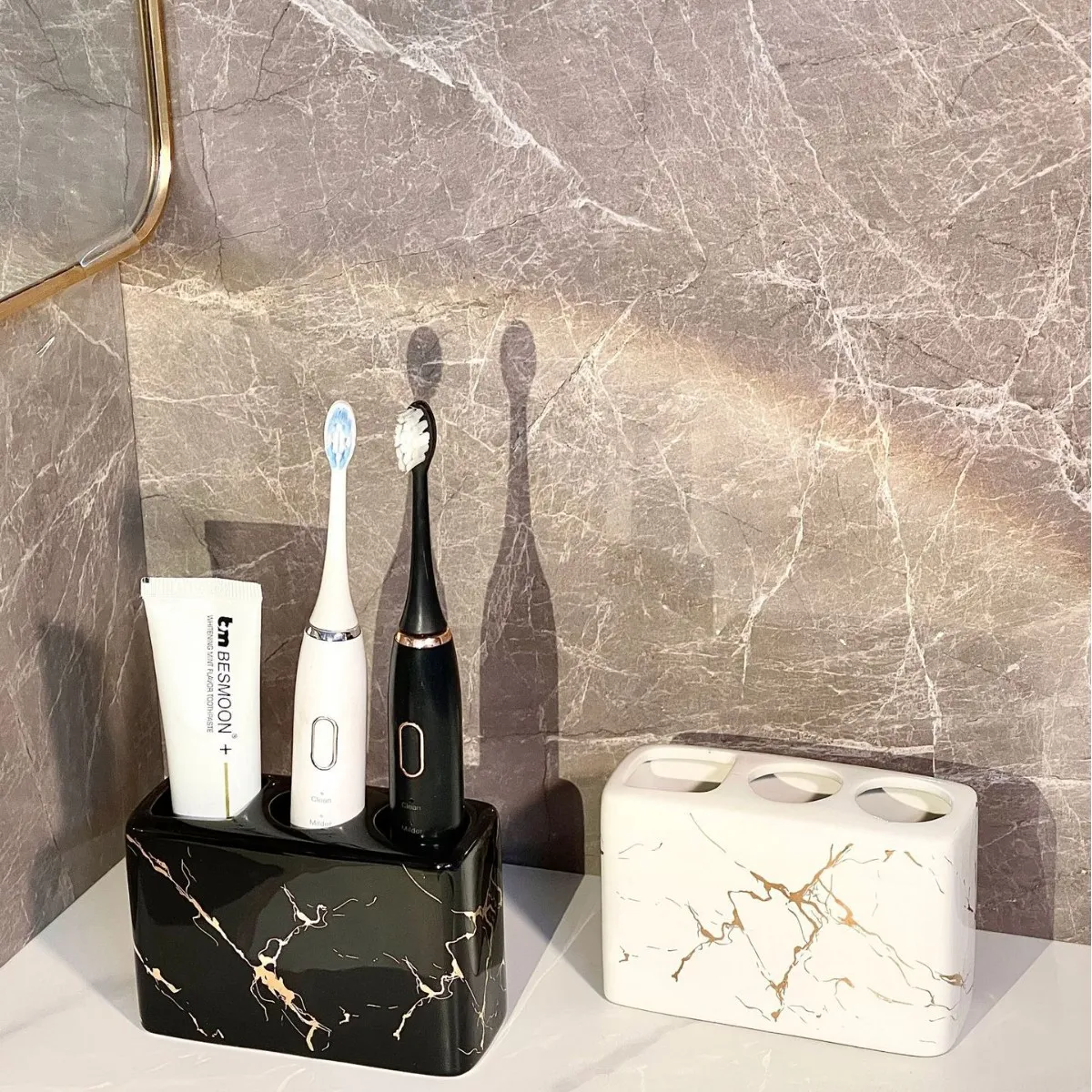
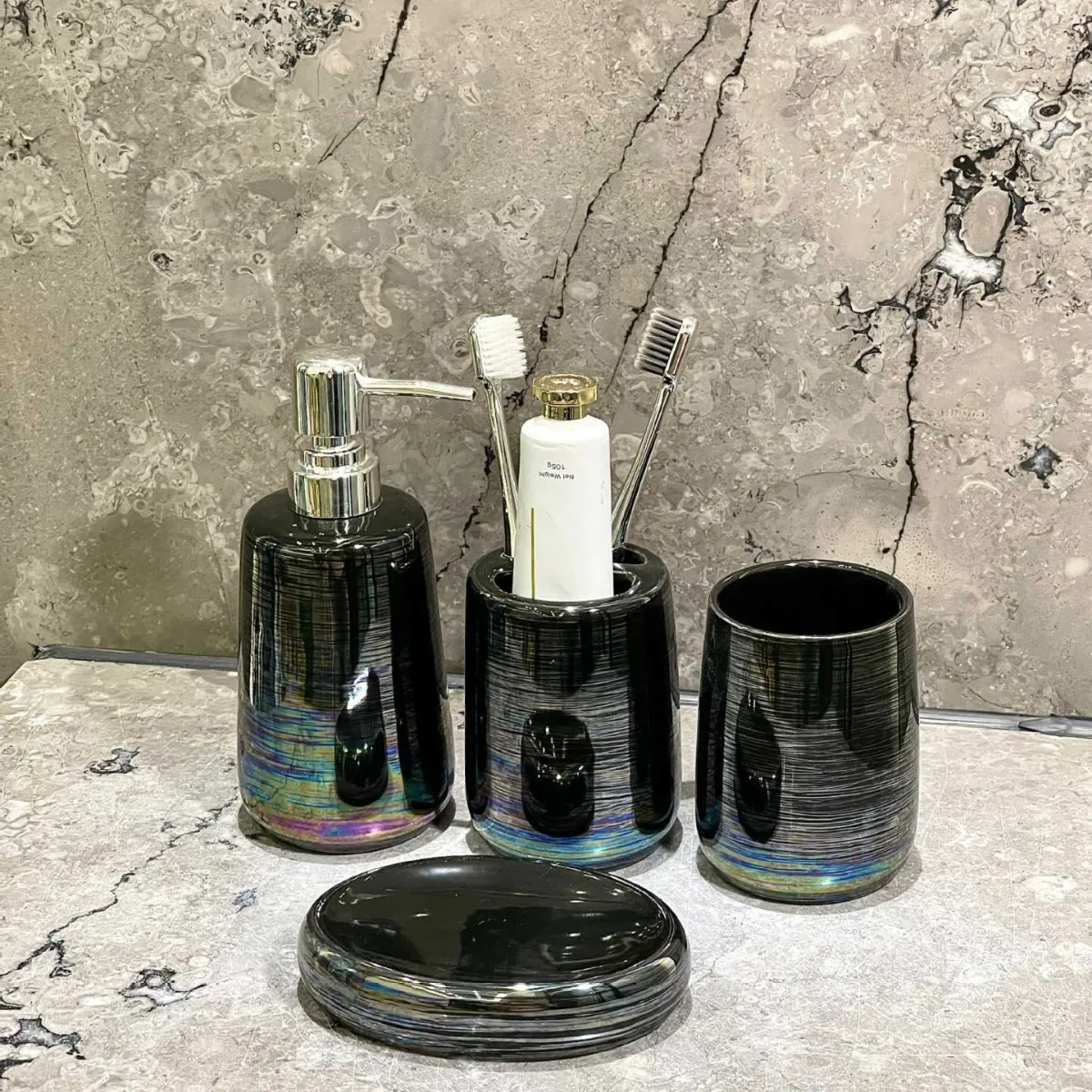
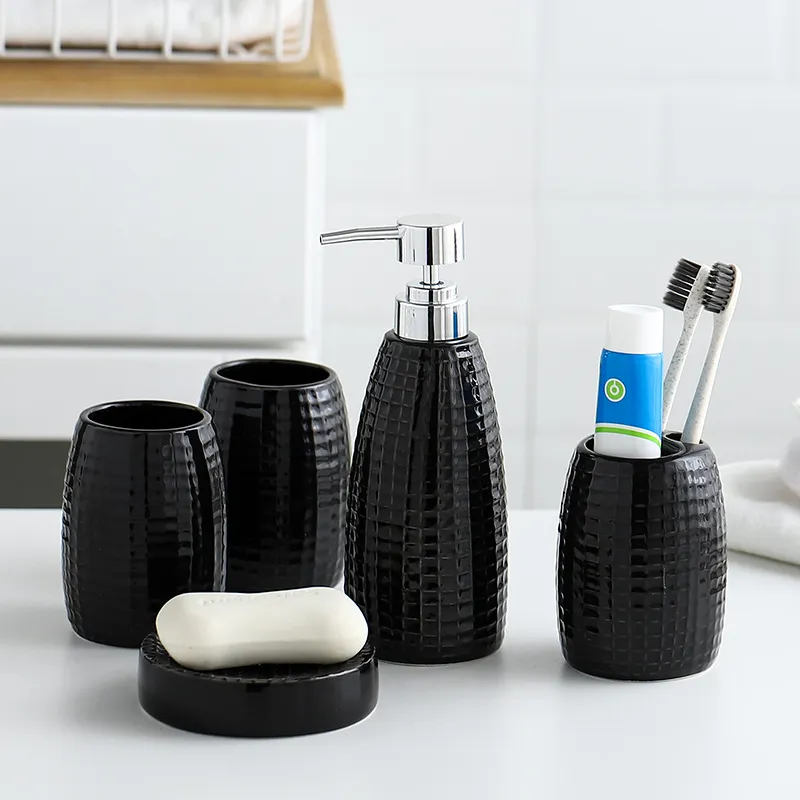
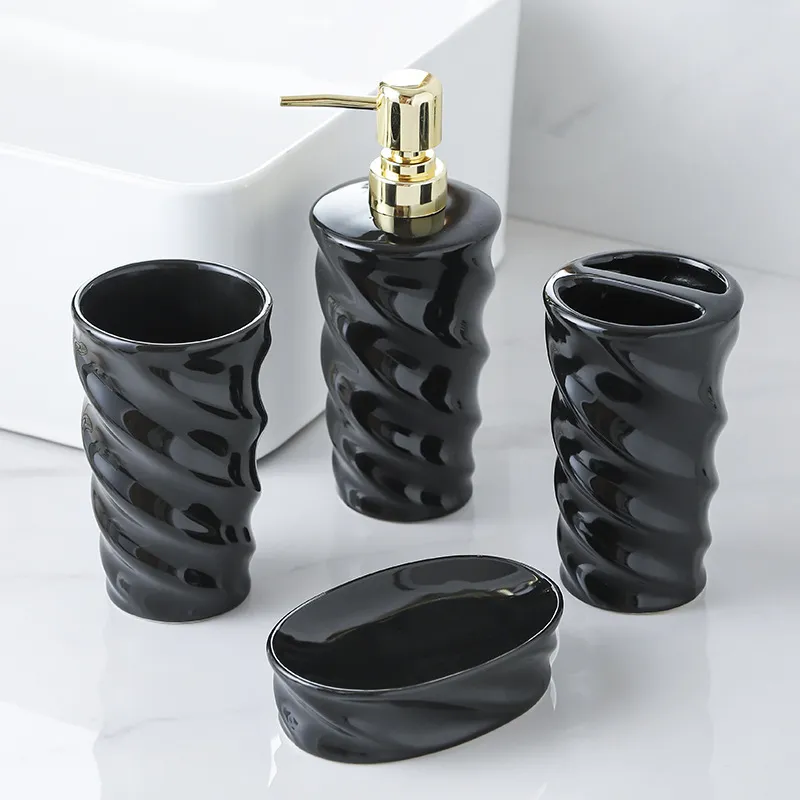
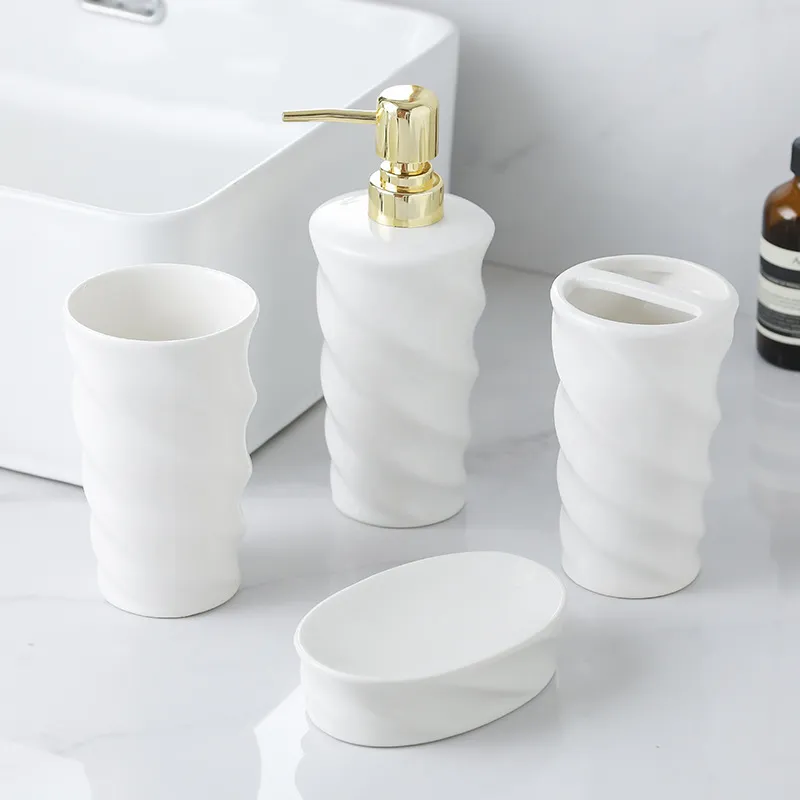
When buying ceramic bathroom accessories, many buyers focus on the shape, color, and design of the product. However, the glaze quality is one of the most important factors that determines the final appearance, durability, cleaning performance, and long-term value of ceramic products.
A high-quality ceramic glaze creates a smooth, protective surface that improves stain resistance, enhances color expression, and helps bathroom accessories maintain their premium appearance after years of use. For retailers, hotels, distributors, and private-label brands, understanding ceramic glaze helps you choose better products and more reliable suppliers.
As a professional ceramic bathroom accessories manufacturer, Yigejia Ceramics uses different glazing techniques and medium-to-high temperature porcelain processes to develop durable and attractive bathroom accessories for global markets.
What Is a Ceramic Glaze?
Ceramic glaze is a thin glass-like coating applied to the surface of ceramic products before firing. It melts during the kiln firing process and forms a smooth, protective layer that improves the appearance and performance of ceramic items.
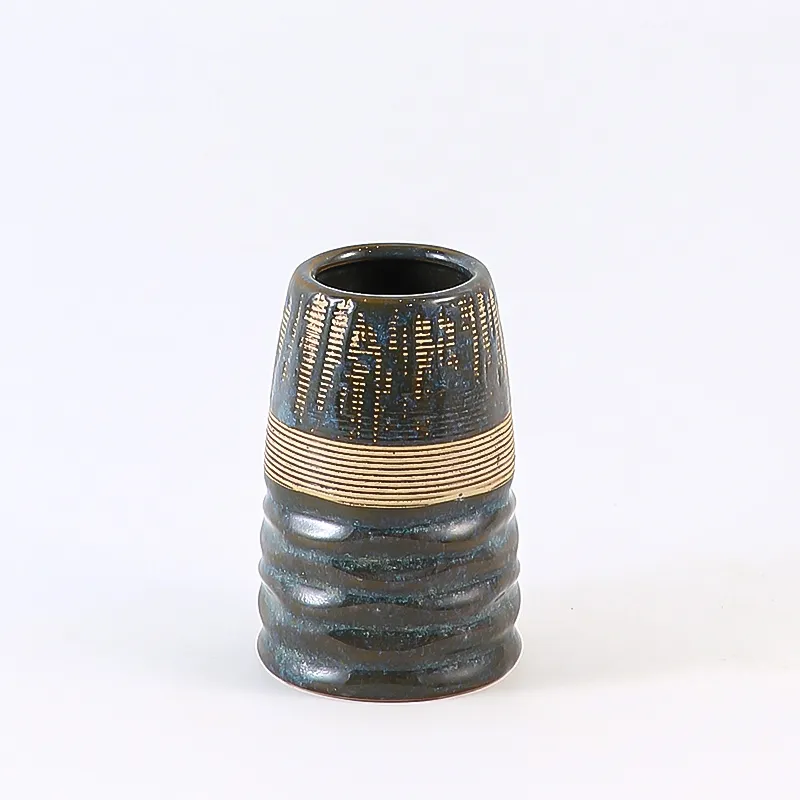
For bathroom accessories such as soap dispensers, toothbrush holders, tumblers, trays, and toilet brush holders, glaze plays an important role in both aesthetics and daily usability.
A ceramic glaze usually contains several key components:
- Silica: The main glass-forming ingredient that creates the smooth surface after firing.
- Alumina: Helps improve glaze stability and prevents the glaze from flowing excessively during firing.
- Flux materials: Such as feldspar or other minerals, which lower the melting temperature and help the glaze fuse with the ceramic body.
- Coloring oxides: Add different colors and visual effects, such as blue, black, green, beige, or decorative patterns.
- Additives: Used to adjust texture, gloss level, opacity, and special surface effects.
For buyers, the glaze is not only about making a product look beautiful. It also affects how easy the product is to clean, how well it resists stains, and whether it can maintain a premium appearance in hotels, homes, and commercial bathrooms.
What Is Glaze in Ceramics?
Glaze in ceramics is the protective and decorative surface layer that transforms raw ceramic pieces into finished products.
Before glazing, ceramic products usually have a rough and porous surface. After glaze application and kiln firing, the surface becomes smoother, denser, and more visually appealing.
The glazing process typically includes:
1. Surface Preparation
Before applying glaze, ceramic products need to be properly cleaned and dried. Any dust, defects, or uneven surfaces may affect the final finish.
2. Glaze Application
Manufacturers apply glaze through different methods, including dipping, spraying, or brushing, depending on product design and production requirements.
3. High-Temperature Firing
During kiln firing, the glaze melts and bonds with the ceramic body, creating a durable surface layer.
For ceramic bathroom accessories, a good glaze should provide:
Smooth surface texture
Consistent color appearance
Easy cleaning performance
Resistance to daily moisture exposure
Premium visual quality
This is why experienced ceramic manufacturers pay close attention to glaze formulation and firing control.
What Is Bisque in Ceramics?
Bisque in ceramics refers to a ceramic piece that has been fired once but has not yet received its final glaze coating.
During ceramic production, products usually go through several stages:
Raw clay forming → Drying → Bisque firing → Glazing → Final firing
After bisque firing, the ceramic body becomes harder and more stable, but the surface remains porous and unfinished.
The bisque stage is important because it allows manufacturers to:
- Check the product shape and structure
- Prepare the surface for glaze application
- Improve glaze absorption and bonding
- Reduce production defects during final firing
For bathroom accessory production, controlling the bisque stage is especially important. Uneven bisque quality may lead to glaze problems such as color differences, cracks, or surface defects after final firing.
A reliable ceramic bathroom accessories manufacturer must carefully control every production step, from clay preparation to bisque firing and final inspection.
What Is Vitrification in Ceramics?
Vitrification in ceramics is the process where ceramic materials become denser and less porous during high-temperature firing.
During firing, minerals inside the ceramic body partially melt and form a glass-like structure. This process reduces open pores and improves the strength and water resistance of the ceramic.
For bathroom accessories, vitrification provides several benefits:
Better Moisture Resistance
Bathrooms are naturally humid environments. A denser ceramic body helps reduce water absorption and improves long-term performance.
Stronger Product Structure
Vitrified ceramic products usually have better mechanical strength and a more solid feel.
Improved Surface Quality
A well-vitrified body provides a better foundation for glaze application, resulting in smoother and more stable finishes.
This is why high-temperature ceramic production is widely used for premium bathroom accessories, tableware, tiles, and other products requiring durability.
For B2B buyers, choosing products made with proper firing technology means fewer quality issues, better customer satisfaction, and stronger brand reputation.
What Is Underglaze in Ceramics?
Underglaze is a decorative coloring technique applied to ceramic surfaces before the final glaze layer.
Unlike regular surface decoration, underglaze designs are placed beneath the transparent glaze layer, which helps protect the pattern and maintain its appearance.
Underglaze is commonly used for:
- Decorative patterns
- Floral designs
- Brand logos
- Artistic ceramic collections
- Customized bathroom accessories
For example, a ceramic soap dispenser may use underglaze decoration to create a unique pattern while keeping the surface smooth and easy to clean.
For retailers and private-label brands, underglaze technology provides more customization possibilities, including:
- Custom ceramic bathroom accessories
- Private-label bathroom sets
- Hotel-specific designs
- Brand logo applications
Yigejia Ceramics supports different decoration techniques to help customers create differentiated ceramic bathroom collections.
What Is Crazing in Ceramics?
Crazing in ceramics refers to fine crack patterns that appear in the glaze surface due to stress between the glaze layer and ceramic body.
Although crazing can sometimes be used intentionally as a decorative effect in artistic ceramics, uncontrolled crazing may affect product quality and appearance.
Common causes of crazing include:
Different Expansion Rates
The ceramic body and glaze expand and contract differently during temperature changes. If they are not properly matched, cracks may appear.
Incorrect Firing Control
Improper kiln temperature or cooling speed can create stress between the glaze and ceramic body.
Poor Material Matching
The glaze formula must be compatible with the ceramic body to achieve stable performance.
For bathroom accessories, uncontrolled crazing may cause:
- Difficult cleaning
- Surface appearance issues
- Reduced product lifespan
- Customer complaints
This is why professional ceramic factories conduct strict quality control during glazing and firing processes.
Why Ceramic Glaze Quality Matters for Bathroom Accessory Buyers
For retailers, hotels, and importers, glaze quality directly affects customer experience.
A high-quality glazed ceramic bathroom accessory offers:
- Easy Maintenance: Smooth glazed surfaces are easier to clean and maintain.
- Premium Appearance: Better glaze creates richer colors, better gloss, and stronger visual appeal.
- Long-Term Value: Stable glaze quality helps products maintain their appearance after repeated daily use.
- Better Brand Image: Premium ceramic finishes help retailers and hotels create a stronger product impression.
When sourcing ceramic bathroom accessories wholesale, buyers should not only evaluate product design but also ask suppliers about:
- Glaze type
- Firing temperature
- Surface inspection process
- Color consistency control
- Defect inspection standards
How Yigejia Ceramics Controls Ceramic Glaze Quality
Yigejia Ceramics is a professional ceramic bathroom accessories manufacturer located in Chaozhou, Guangdong, the “Ceramic Capital of China.”
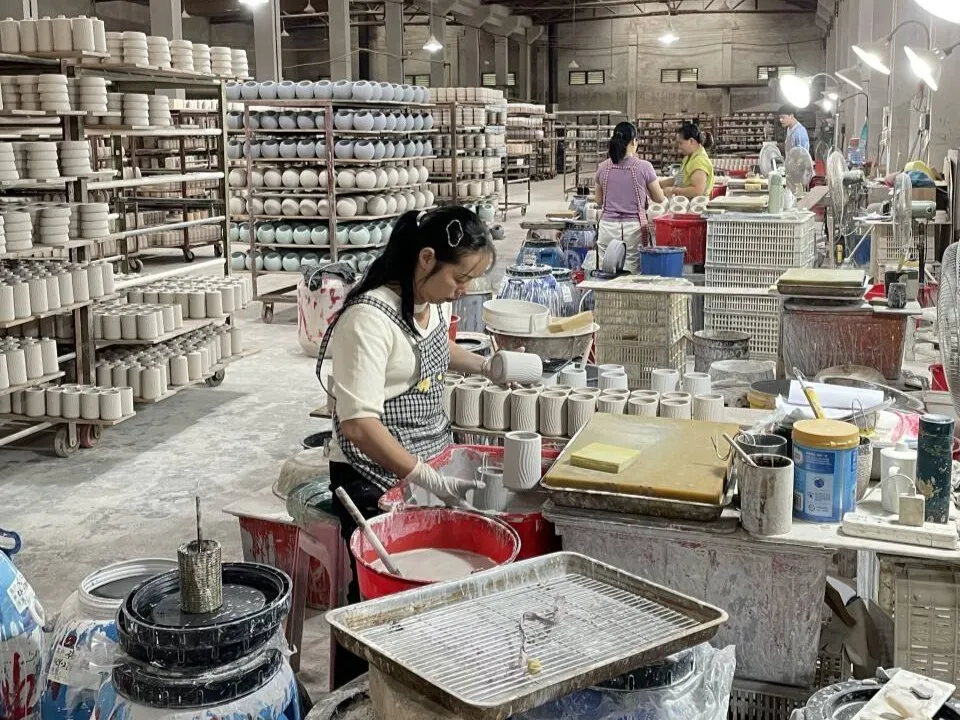
With more than 20 years of ceramic production experience, Yigejia operates a modern factory of over 10,000 square meters equipped with:
Slip casting production
Roller forming technology
High-pressure forming equipment
Automated kiln production lines
Strict quality inspection processes
We specialize in medium-to-high temperature porcelain, including:
Decal white porcelain
Colored glaze porcelain
Handmade brushed porcelain
Through controlled material selection, glazing processes, and firing management, Yigejia develops ceramic bathroom accessories with stable quality, attractive finishes, and reliable performance for global buyers.
Our products are exported to Europe, the United States, the United Kingdom, Australia, South America, and Southeast Asia. We welcome retailers, hotel suppliers, distributors, and private-label brands to cooperate with Yigejia Ceramics for customized ceramic bathroom solutions.
Conclusion: Why Ceramic Glaze Matters When Choosing Bathroom Accessories
Ceramic glaze is more than just a decorative coating. It plays an important role in determining the appearance, durability, cleaning performance, and long-term value of ceramic bathroom accessories.
For buyers, understanding concepts such as ceramic glaze, bisque firing, vitrification, underglaze, and crazing helps you better evaluate product quality and choose the right manufacturing partner.
A high-quality ceramic bathroom accessory requires more than an attractive design. It depends on stable raw materials, precise forming processes, controlled glazing techniques, proper kiln firing, and strict quality inspection.
For retailers, hotels, distributors, and private-label brands, choosing a supplier with strong ceramic manufacturing experience can reduce quality risks and create products with better market value.
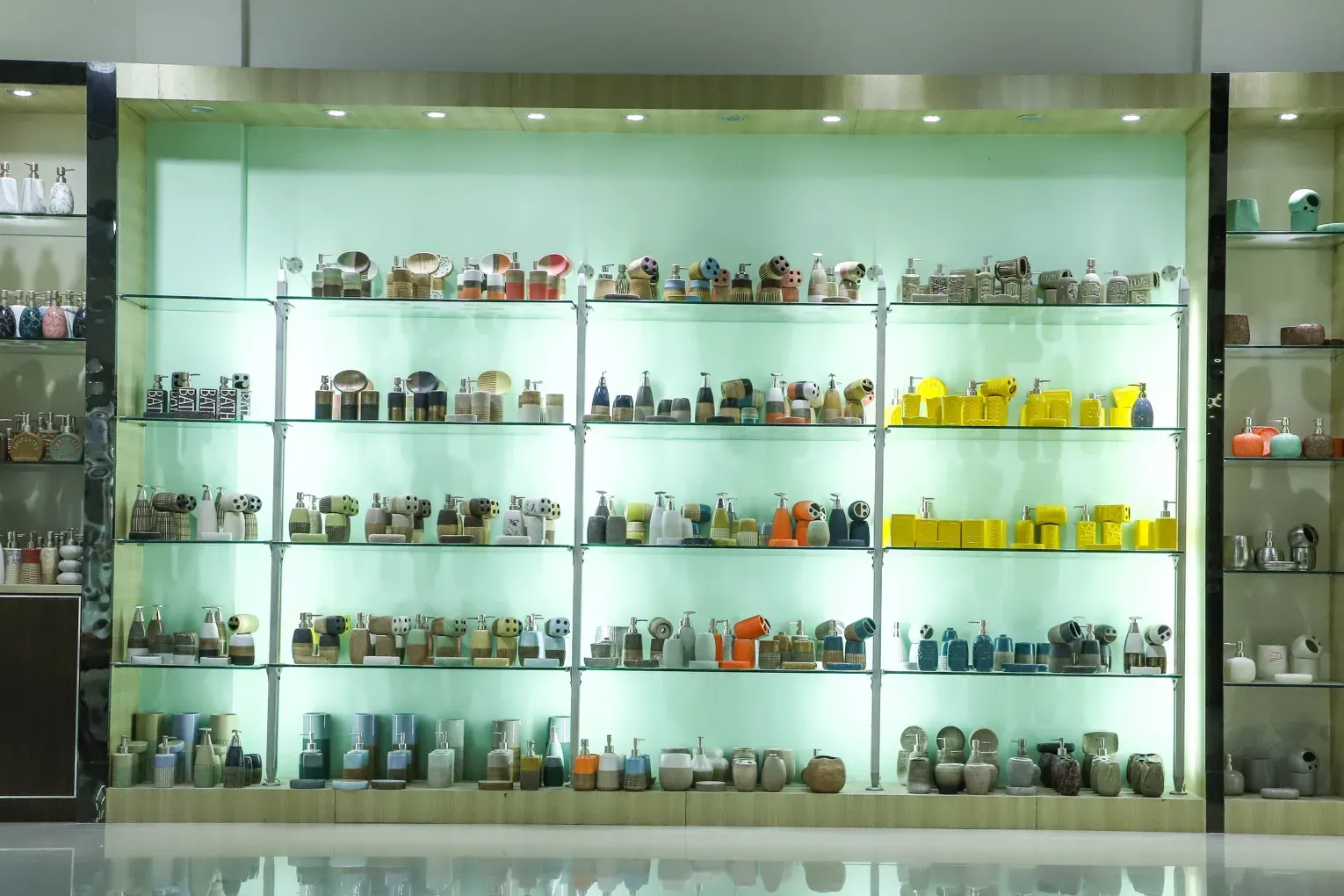
Yigejia Ceramics, Guangdong, the “Ceramic Capital of China,” is a trusted ceramic bathroom accessories manufacturer with over 20 years of industry experience. With a modern factory of more than 10,000 square meters, advanced production equipment, professional glazing technology, and strong OEM/ODM capabilities, Yigejia provides customized ceramic bathroom solutions for global buyers.
From ceramic soap dispensers, toothbrush holders, tumblers, trays, to complete bathroom accessory sets, Yigejia helps partners develop high-quality products with reliable performance and attractive designs. We welcome global retailers, hotel suppliers, importers, and distributors to explore long-term cooperation with Yigejia Ceramics.