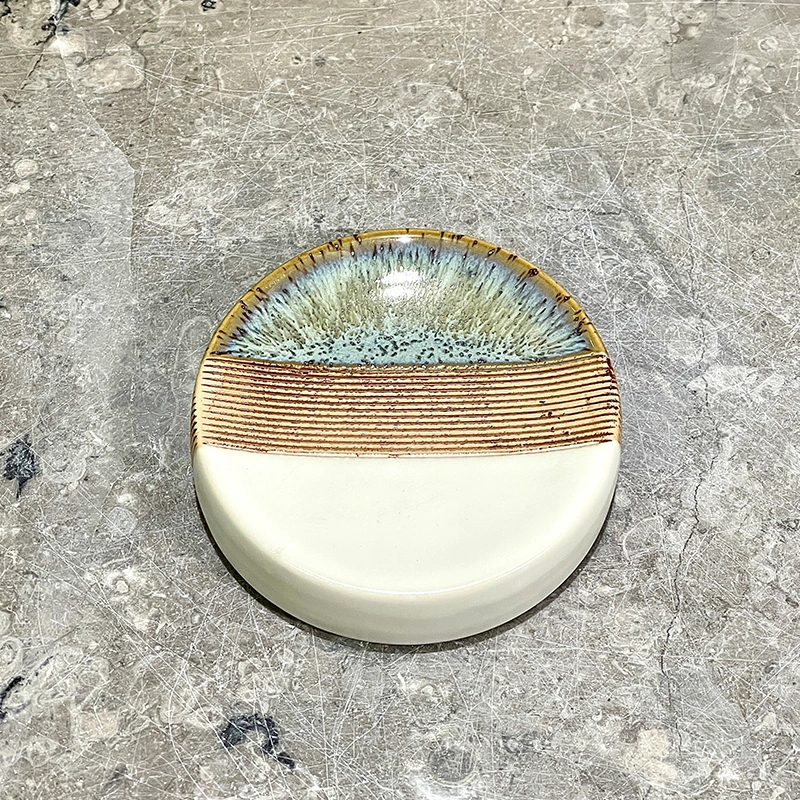
To ensure anti-slip safety in ceramic soap dishes and trays, wholesale buyers must prioritize structural weight distribution, engineered base textures, high-grade silicone pads, and effective drainage channels over mere aesthetics. Proper anti-slip engineering prevents product breakage, protects luxury vanity surfaces, and reduces liability in commercial and residential settings.
Cerâmicas Yigejia é uma empresa de confiança manufacturer of ceramic bathroom accessories. It delivers robust OEM/ODM capabilities and strict quality control, with certification.
Why Anti-Slip Performance Matters
Bathrooms are among the wettest environments in any home or commercial facility. Water splashes, soap suds, steam, and cleaning chemicals continuously reduce friction between surfaces. Without functional design features, even a heavy ceramic accessory can slide across wet marble or quartz.
1. Improving User Safety
The primary reason to focus on anti-slip safety in ceramic soap dishes and trays is preventing accidents. When a soap dish shifts unexpectedly, users instinctively reach out to catch it, increasing the risk of knock-on spills, broken glass, or slips. In commercial environments such as hotels, spas, and healthcare facilities, preventing personal injury and liability is paramount.
2. Protecting the Product
Ceramic, natural stone, resin, and glass offer exceptional durability under normal conditions but remain vulnerable to high-impact drops. If a ceramic soap dish and trays slide off a vanity edge onto tiled flooring, it will crack or shatter. Proper anti-slip engineering extends the operational lifespan of the accessory.
3. Protecting Vanity Surfaces
Countertops made from marble, quartz, granite, or solid resin represent a significant investment. Products with unrefined or unstable bases can scratch these sensitive surfaces during daily handling. Integrating non-marking silicone or rubber buffers delivers stability while safeguarding expensive vanity tops.
4. Enhancing Brand Satisfaction
Consumers assess product quality through daily tactile interactions. A beautifully designed bathroom tray that constantly shifts feels cheap and annoying. Conversely, accessories that sit firmly in place convey solid engineering and premium quality, directly boosting customer retention and brand reviews.
Common Causes of Slipping
Understanding why acessórios de casa de banho slide is essential to engineering effective anti-slip safety solutions for ceramic soap dishes and trays. Slipping typically occurs due to a combination of physical factors and environmental conditions:
- Smooth Contact Surfaces: Vitrified glazes and polished stone bases offer minimal friction against polished countertop materials.
- Water acting as a Lubricant: A thin film of water trapped under a smooth base dramatically reduces friction. Soap residue acts as a surfactant, reducing grip even further.
- Uneven Weight Distribution: High centers of gravity or poorly proportioned molds cause accessories to tip or slide when pressed unevenly.
- Reduced Contact Area: Minimalist designs with narrow footprints or raised rims reduce surface contact, decreasing total friction resistance.
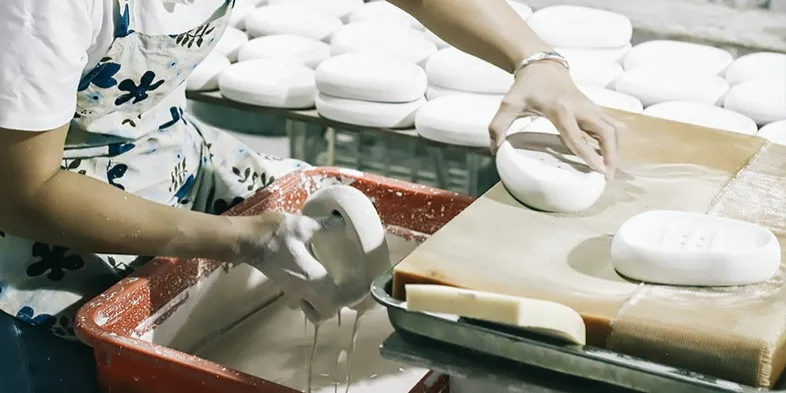
- Manufacturing Tolerances: Warped ceramic bases resulting from uneven kiln firing prevent the dish from sitting perfectly flat, creating wobble and movement.
Materials and Their Impact on Stability
Different materials behave differently when exposed to water. Understanding these characteristics helps fabricantes choose appropriate anti-slip solutions.
Cerâmica
Ceramic remains one of the most popular materials for saboneteiras and trays because of its elegant appearance and excellent moisture resistance.
However, glazed ceramic surfaces are naturally smooth.
Without additional anti-slip features, ceramic products may slide easily on polished countertops.
Manufacturers often address this issue by adding silicone pads or rubber feet beneath the base.
Natural Stone
Marble, travertine, and granite bathroom accessories offer a premium aesthetic and greater weight than many alternatives.
Their higher mass naturally improves stability.
However, polished stone still provides limited friction, particularly when wet.
Many premium stone products therefore incorporate discreet rubber pads that preserve the elegant appearance while increasing grip.
Resina
Resin offers exceptional design flexibility.
Manufacturers can easily mold textured bases or integrate anti-slip materials directly into the product.
This versatility makes resin an increasingly popular choice for modern bathroom collections.
Aço inoxidável
Stainless steel bathroom trays combine durability with contemporary design.
Yet metal bases can become surprisingly slippery on wet stone countertops.
To address this, fabricantes typically install non-marking silicone feet that improve stability without compromising aesthetics.
Bamboo and Wood
Eco-friendly bathroom accessories made from bamboo or engineered wood have become increasingly popular.
While these materials often provide better natural friction than polished ceramic or metal, they still require protective feet to prevent water damage and improve long-term stability.
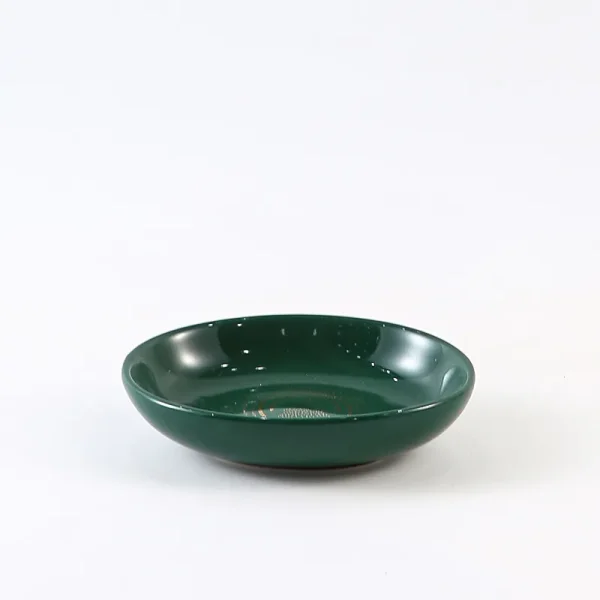
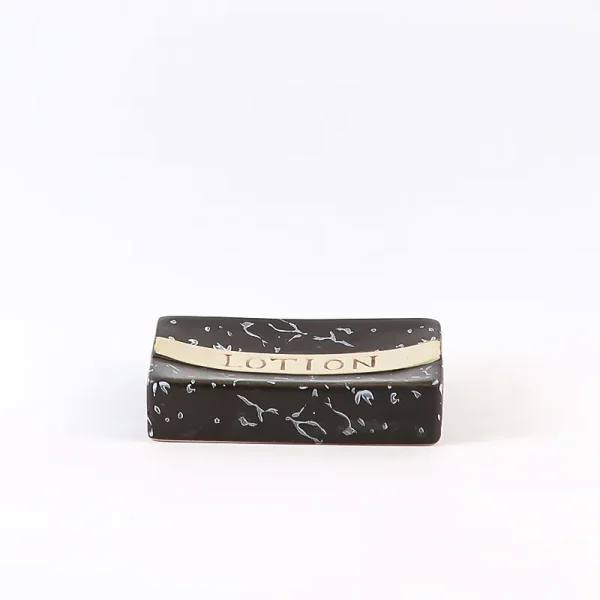
Ceramic remains the global preferred material due to its hygienic, non-porous nature and timeless visual versatility. However, because glazed porcelain is inherently smooth, mastering anti-slip safety in ceramic soap dishes and trays requires precise secondary engineering—such as unglazed fired foot-rings, textured bottom molds, or attached silicone buffers.
International Safety Expectations
While single accessories like soap dishes and trays rarely face standalone mandatory global safety certifications, international hotel chains and premium retail importers evaluate products against broader quality frameworks:
- Surface Stability: Resistance to horizontal displacement on wet tile, glass, and quartz.
- Chemical Safety: Buyers should verify that ceramic glazes, pigments, adhesives, and anti-slip materials meet the chemical safety and restricted-substance requirements applicable to their target market.
- Environmental Aging: Ensuring rubber/silicone anti-slip pads do not degrade, harden, or leach color under humid conditions.
Focusing on anti-slip safety in ceramic soap dishes and trays gives wholesale buyers a competitive edge, turning routine functional safety into a compelling marketing point.
Anti-Slip Design Principles for Ceramic Soap Dishes and Trays
Manufacturers achieve reliable stability by layering multiple design features into the product:
1. Base Texture Engineering
Rather than leaving the underside completely smooth, factories can leave the bottom contact ring unglazed (raw bisque-fired) or apply a micro-textured matte finish. Concentric ridges, cross-hatch patterns, or stippled textures beneath the base break surface tension and increase contact friction on wet counters.
2. Silicone Pads vs. Rubber Feet
Attaching foot pads is one of the most effective ways to guarantee anti-slip safety in ceramic soap dishes and trays.
| Feature / Aspect | Rubber Feet | Silicone Pads |
| Friction & Stability | High initial friction | High friction & excellent stability |
| Material Cost | Low cost | Moderate to Premium |
| Durability & Aging | Risk of hardening/yellowing over time | Superior moisture, UV & temperature resistance |
| Surface Safety | May leave marks over time | Non-marking / non-staining |
| Target Application | Best for budget retail lines | Ideal for commercial & luxury hotel specs |
3. Adhesive Reliability
A moisture-resistant industrial adhesive or high-performance pressure-sensitive adhesive should be selected according to the silicone material, ceramic surface, humidity exposure, and expected service life.
4. Center of Gravity & Structural Balance
Thickening the bottom wall during ceramic slip-casting or pressure-molding lowers the dish’s center of gravity. This added mass counteracts tipping when heavy soap bars or pump bottles are placed on one side.
5. Water Drainage Engineering
Standing water underneath a soap dish reduces friction. Integrated drainage channels, sloped interior basins, and raised interior ridges elevate the soap bar, allowing air circulation while keeping excess water from pooling beneath the unit.
Pros and Cons of Anti-Slip Technologies
When selecting products, wholesale buyers should weigh the trade-offs of each anti-slip application:
| Technology | Prós | Contras |
| Unglazed / Textured Ceramic Base | • Permanent solution; never peels or degrades. • One-piece construction lowers assembly cost. • Eco-friendly; no extra plastics or adhesives. | • Lower friction coefficient than soft silicone. • Requires precise mold engineering to avoid scratching fine marble. |
| Attached Silicone Pads | • Exceptional grip on wet tile, glass, and polished stone. • Soft material protects countertops from scratches. • Provides silent, premium placement feel. | • Adds an assembly step in manufacturing. • Requires high-grade adhesives to prevent long-term detachment. |
| Full Silicone Base Footing | • Maximum contact area and ultimate anti-slip security. • Completely isolates ceramic from hard vanity tops. | • Higher production cost. • Can collect soap scum underneath if not cleaned regularly. |
Product Testing Methods
Professional factories validate anti-slip safety in ceramic soap dishes and trays using standardized testing procedures:
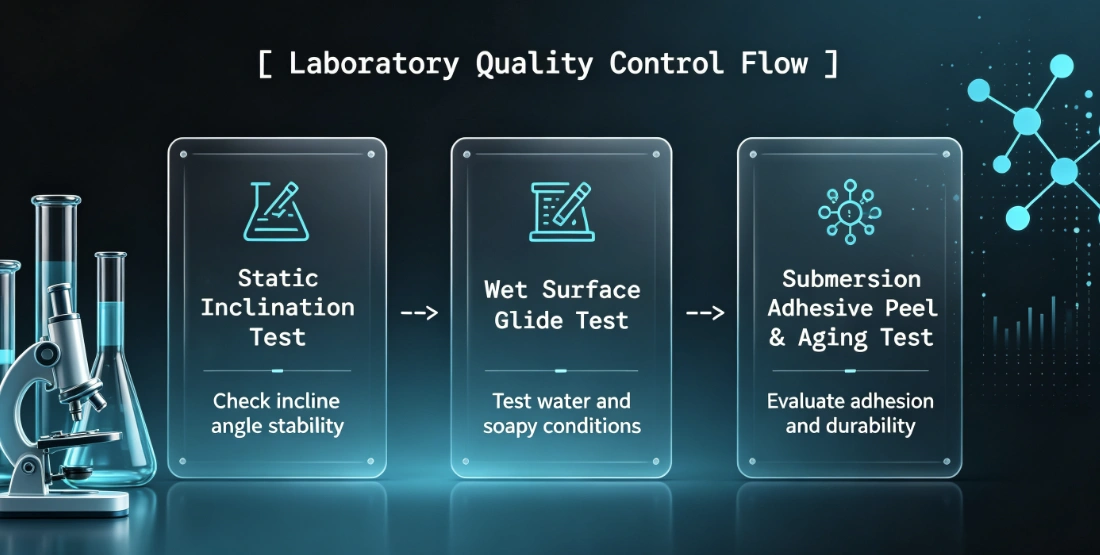
- Static Incline Test: Placing the dish on an adjustable glass/tile plane and measuring the slope angle at which the dish begins to slide.
- Wet Glide Friction Test: Measuring the lateral force required to push the dish across wet marble covered in soapy water.
- Adhesive Immersion Test: Submerging dishes with attached silicone pads in warm water for 48–72 hours to verify pad adhesion.
- Thermal Humidity Cycling: Exposing units to alternating hot steam and cold dry conditions to ensure long-term stability.
Manufacturing Quality Control
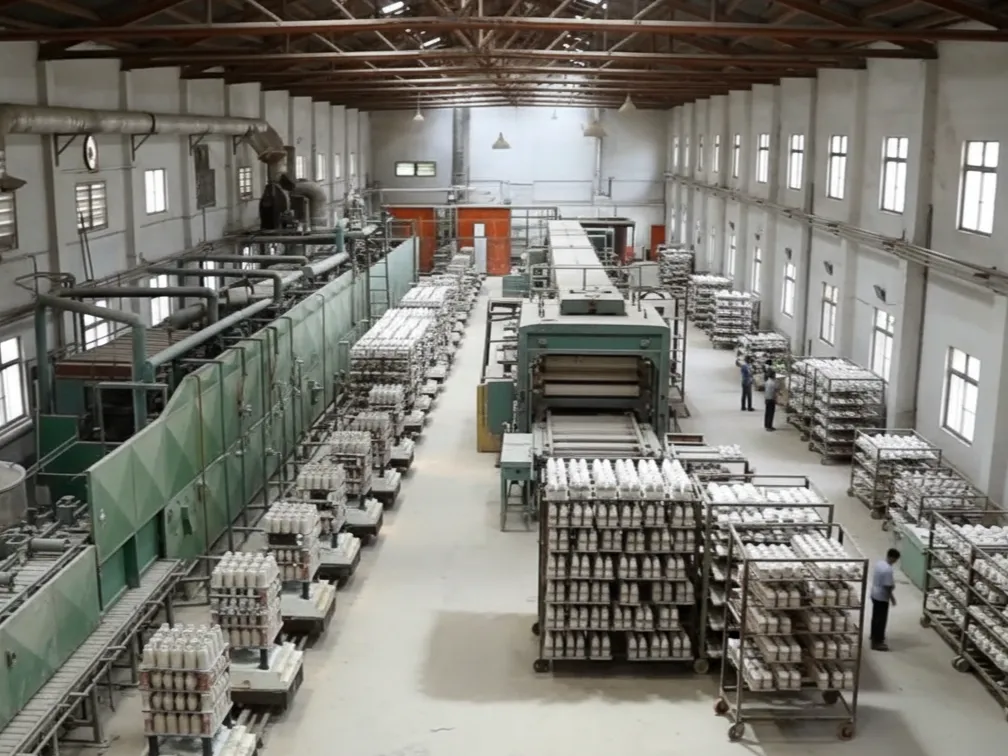
Maintaining consistent anti-slip safety in ceramic soap dishes and trays across high-volume production runs requires strict control over raw materials and kiln firing:
- Incoming Pad Inspection: Checking silicone durometer (hardness), dimensional tolerances, and adhesive shelf life.
- Firing Process Control: Stable high-temperature firing appropriate to the ceramic body and glaze system helps control shrinkage, densification, and dimensional consistency. Manufacturers should verify finished base flatness rather than relying on firing temperature alone.
- Automated Adhesive Application: Ensuring clean, dust-free ceramic bases before applying footers with controlled compression.
- Final Pre-Shipment Inspection: Conducting AQL random sampling for foot adhesion, structural balance, and glaze uniformity.
Future Trends
The industry is moving toward smarter, more sustainable anti-slip engineering:
- Recyclable & Bio-Based Silicone: Transitioning to eco-friendly, food-grade silicone footings that align with global sustainability trends.
- In-Mold Integrated Friction Patterns: Using high-pressure ceramic casting to create micro-patterned ceramic bases that provide grip without needing separate glued pads.
- Custom Color-Matched Silicone Pads: Integrating anti-slip features seamlessly into the visual design by matching pad colors to body glazes or accent metals.
Choosing the Right Supplier
When sourcing custom or wholesale acessórios de casa de banho em cerâmica, evaluate suppliers beyond basic price quotes. A capable manufacturing partner should demonstrate technical expertise in anti-slip safety in ceramic soap dishes and trays.
Key questions to ask prospective manufacturers:
- What specific measures are taken during molding and firing to ensure the dish base remains completely flat?
- What material grade and adhesive type are used for attached anti-slip pads?
- Can you customize unglazed base textures or silicone pad layouts to meet our private label standards?
- Do you conduct wet-friction and adhesive submersion testing in-house?
Ceramic Soap Dish Supplier Anti-Slip Checklist
- Base flatness inspection
- Silicone hardness verification
- Pad dimensional tolerance
- Adhesive bonding test
- Wet-surface friction test
- Countertop protection test
- Humidity aging test
- Desempenho da drenagem
- Drop/impact resistance
- AQL final inspection
- OEM/ODM base customization
Conclusão
Ensuring anti-slip safety in ceramic soap dishes, trays, and bathroom trays is a non-negotiable aspect of modern product quality. For wholesale buyers, hotel suppliers, and retail brands, investing in well-engineered anti-slip features reduces return rates, protects user safety, and elevates brand reputation in competitive global markets.
Frequently Asked Questions (FAQs)
1. Why is anti-slip safety in ceramic soap dishes and trays so important for commercial buyers?
It prevents accessories from sliding off wet countertops, protecting expensive vanities from scratches, reducing product replacement costs, and preventing liability from broken ceramic in hotels and public facilities.
2. Do silicone pads perform better than standard rubber feet on ceramic soap dishes and trays?
Yes. High-grade silicone provides superior long-term resistance to water, steam, and cleaning chemicals without hardening, cracking, or staining luxury countertops over time.
3. How does ceramic base flatness affect anti-slip performance?
If a ceramic dish warps during kiln firing, it creates an uneven contact surface. A wobbly dish reduces total friction and causes the accessory to shift, making base flatness essential for safety.
4. Can anti-slip features be integrated without ruining the aesthetic of luxury ceramic dishes?
Yes. Modern anti-slip designs use recessed base channels, color-matched silicone pads, or subtle unglazed matte textures on the underside, leaving the visible glazed design untouched.
5. What temperature firing is best for durable ceramic soap dishes?
Medium-to-high temperature firing (1200°C–1300°C) ensures dense, vitrified porcelain with low water absorption, high structural strength, and resistance to base warping.
Estabeleça uma parceria com a Yigejia Ceramics
When sourcing premium, safe, and beautifully crafted bathroom accessories, partnering with an experienced, factory-direct manufacturer makes all the difference.
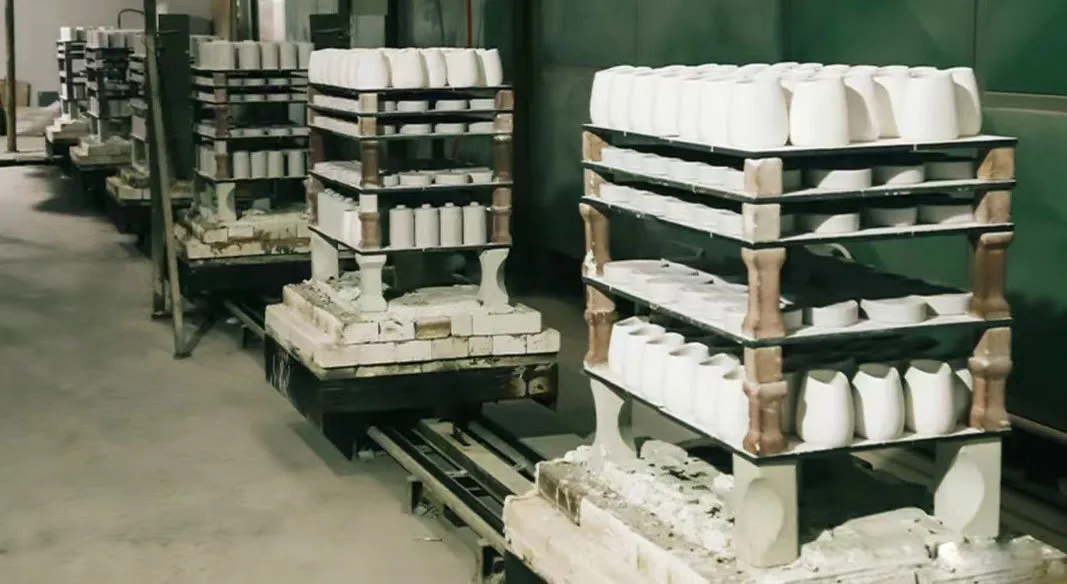
Cerâmicas Yigejia is a trusted manufacturer of ceramic bathroom accessories headquartered in Chaozhou, Guangdong. With over 20 years of expertise, we operate a modern 10,000+ square meter factory equipped with advanced slip casting, roller forming, high-pressure molding, and automated kiln production lines.
With robust OEM/ODM capabilities and strict quality control, we export our products worldwide to Europe, the United States, the United Kingdom, Australia, South America, and Southeast Asia. Our extensive showroom displays thousands of original designs tailored for hospitality, wholesale, and retail buyers.
Ready to elevate your bathroom accessory line with superior quality and safety?
Contact the team at Cerâmicas Yigejia today to request our full product catalog, sample kits, or custom OEM/ODM project quotations!
Produtos relacionados
-

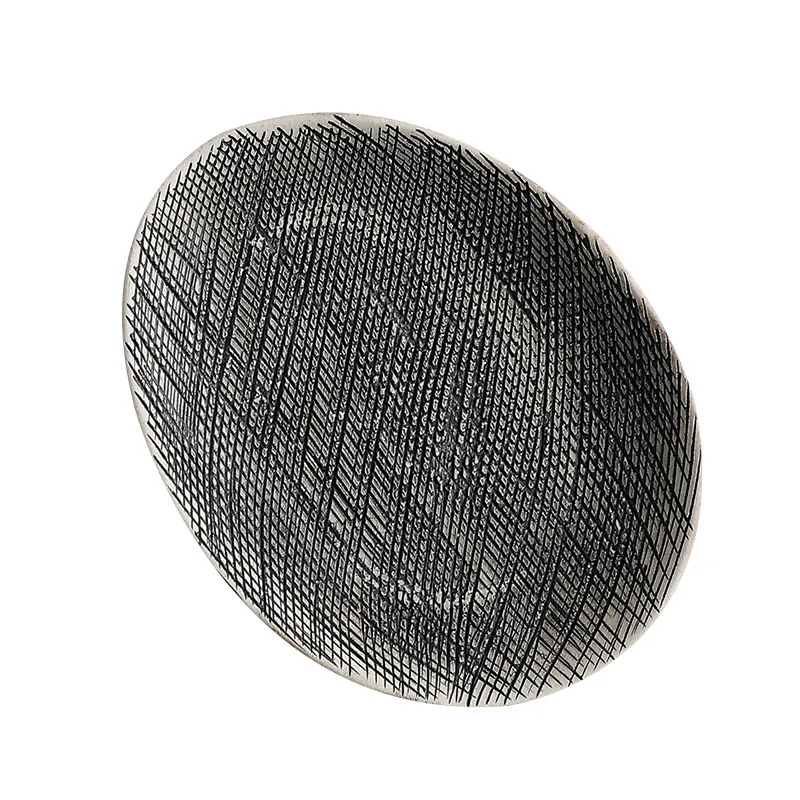
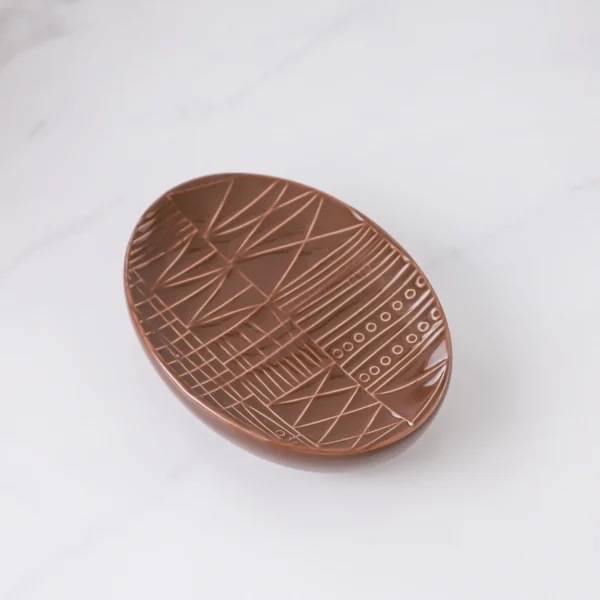
Bandeja oval texturada para acessórios de casa de banho, personalizada por OEM, para saboneteiras – JY3050-D
-
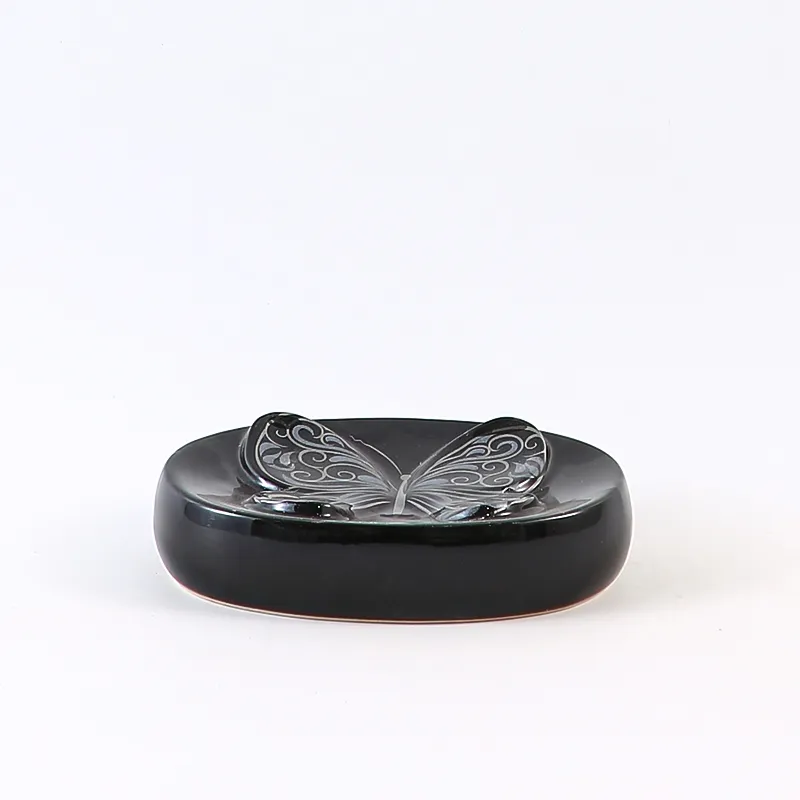
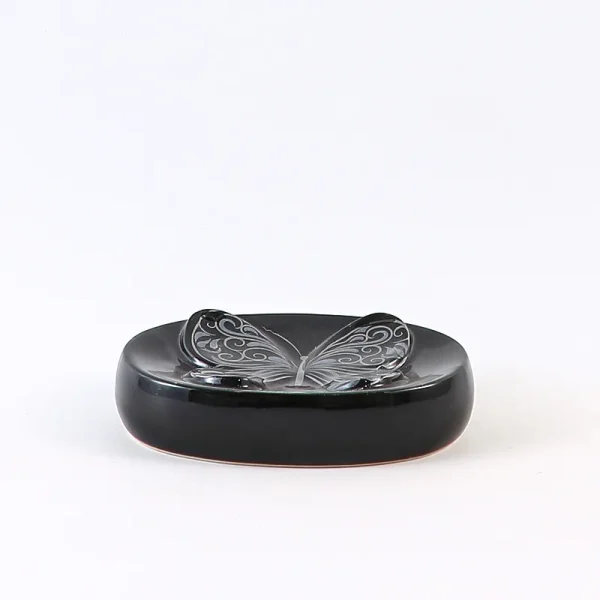
Saboneteira por grosso, suporte em cerâmica preta com desenho de borboleta prateada
-
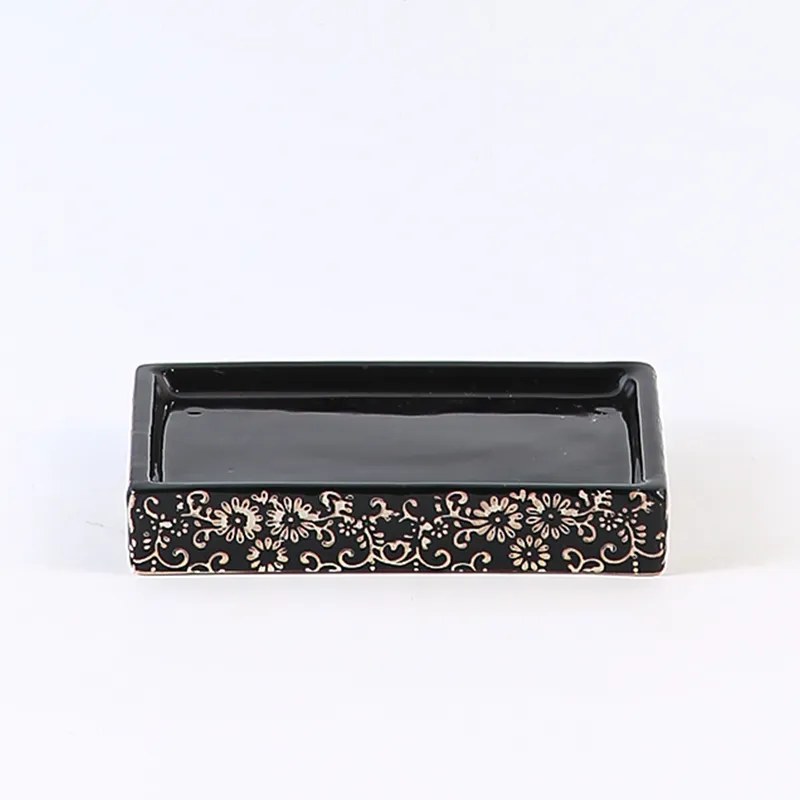
Fábrica de saboneteiras de cerâmica de luxo por atacado, acessório de casa de banho OEM por atacado para hotel
-
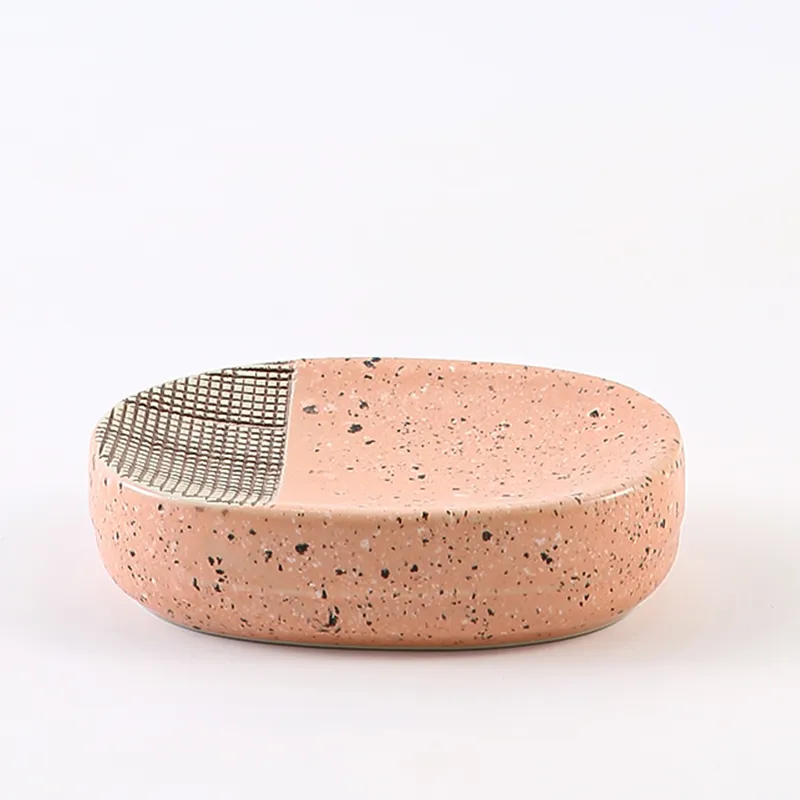
Saboneteira de cerâmica por atacado, suporte para sabonete de casa de banho com textura de grelha salpicada rosa blush, tabuleiro de toucador rústico