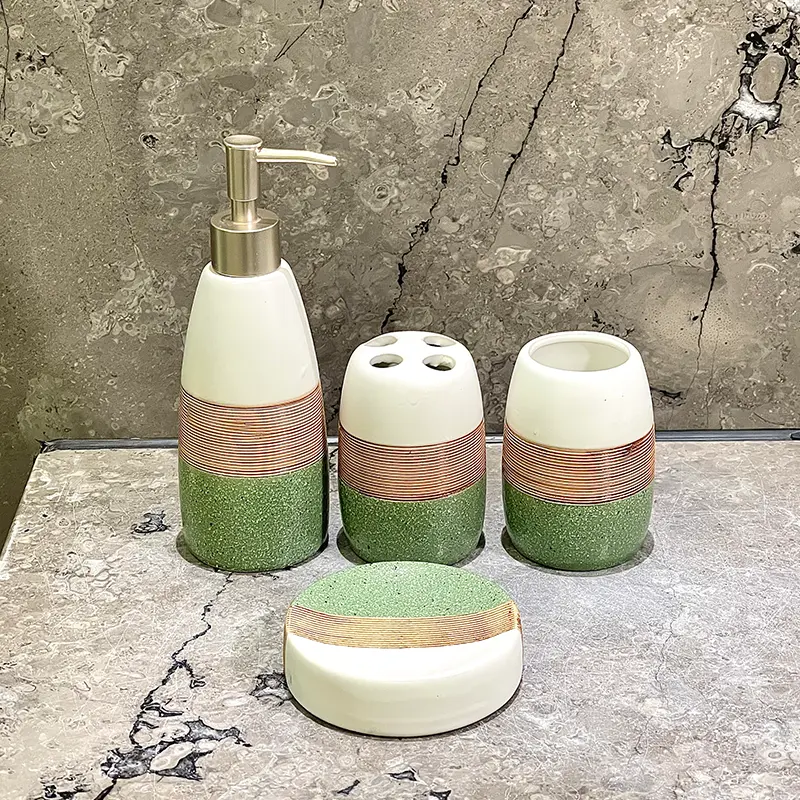
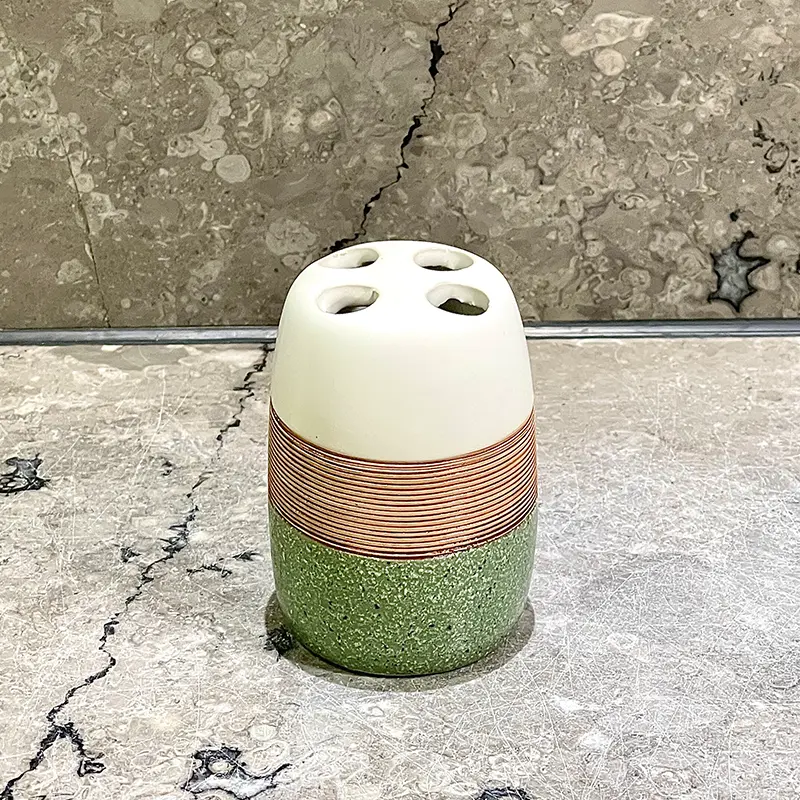
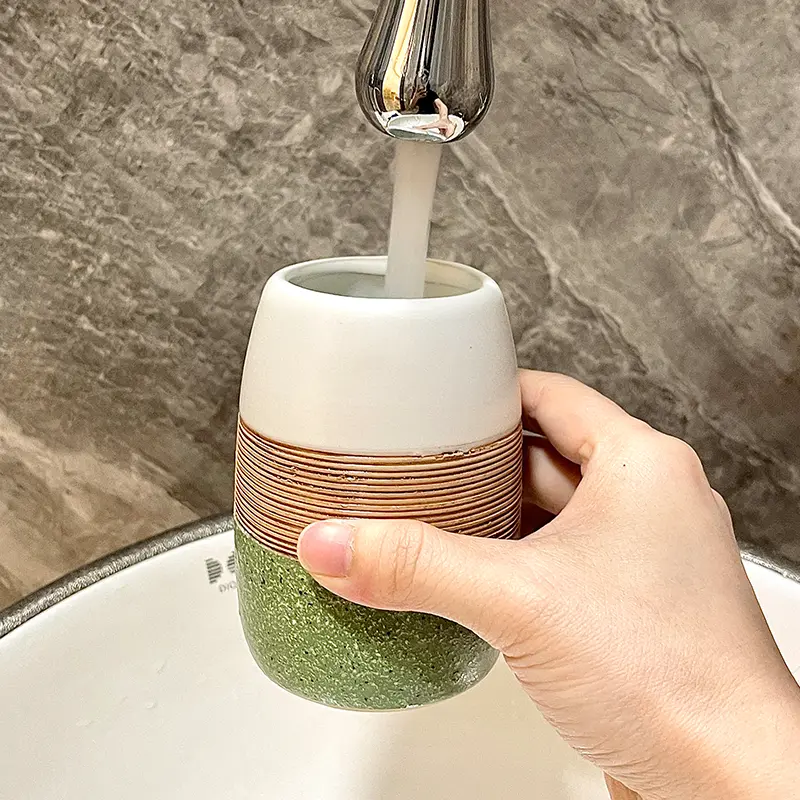
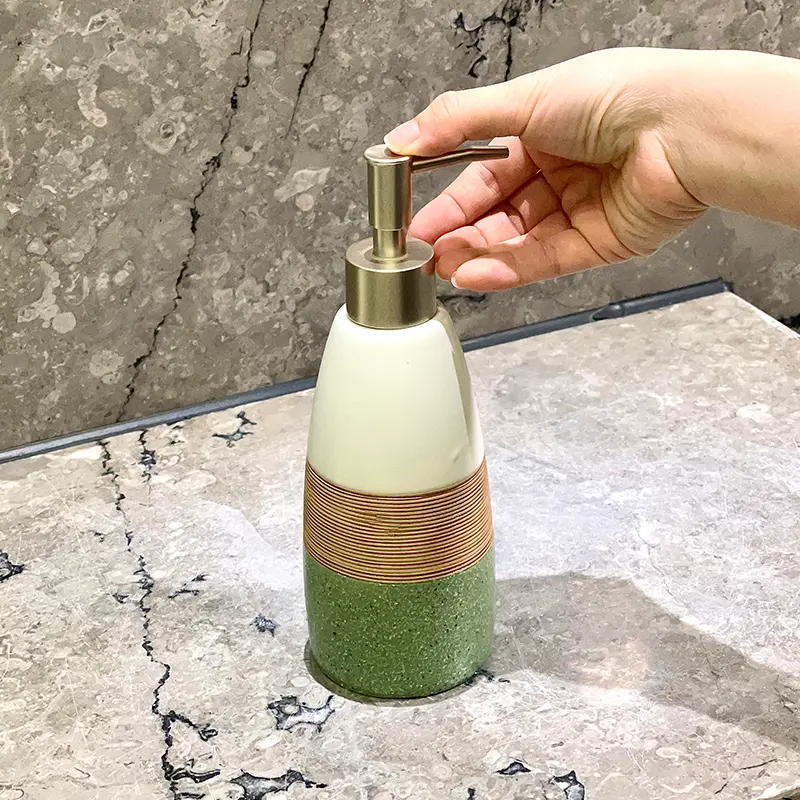
A ceramic toothbrush holder and a plastic toothbrush holder can both be hygienic when properly designed, cleaned regularly, and allowed to dry. Neither material is automatically more hygienic; surface condition, drainage, internal design, and cleaning habits have a greater influence on everyday cleanliness.
For retailers, hotel suppliers, and distributors, choosing the right 歯ブラシホルダー also means considering durability, appearance, maintenance, and customer expectations. As a professional ceramic bathroom accessories manufacturer, 一格家陶器 provides ceramic toothbrush holders in a range of designs and finishes for wholesale, private-label, and customized bathroom accessory collections.
This guide compares plastic vs. ceramic toothbrush holders to help consumers and B2B buyers make a practical, informed decision.
1. Which Is More Hygienic: Plastic or Ceramic?
Neither ceramic nor plastic is inherently more hygienic. A smooth, well-maintained holder that is easy to clean and allows moisture to drain will generally be easier to keep clean than a poorly designed holder with narrow openings, trapped water, or difficult-to-reach corners.
The American Dental Association (ADA) recommends rinsing toothbrushes thoroughly after use, storing them upright, and allowing them to air-dry. It also notes that storing a wet toothbrush in a closed container can encourage microbial growth compared with leaving it exposed to the air. Read the ADA’s toothbrush care recommendations.
These recommendations are important regardless of the holder material.
Ceramic Toothbrush Holder: Hygiene Considerations
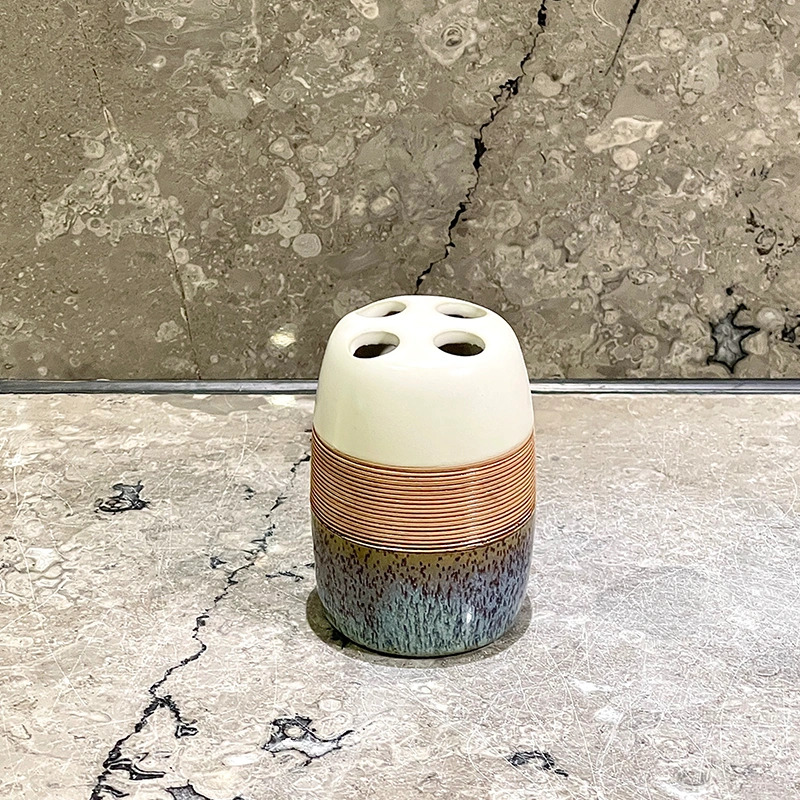
A ceramic toothbrush holder with a smooth glazed surface can be convenient to wipe clean. Its rigid surface is also less likely to develop the same type of visible wear as a softer plastic surface under ordinary use.
However, ceramic holders can still accumulate toothpaste residue, soap deposits, and moisture. Narrow slots, deep compartments, and standing water can make cleaning more difficult.
Plastic Toothbrush Holder: Hygiene Considerations
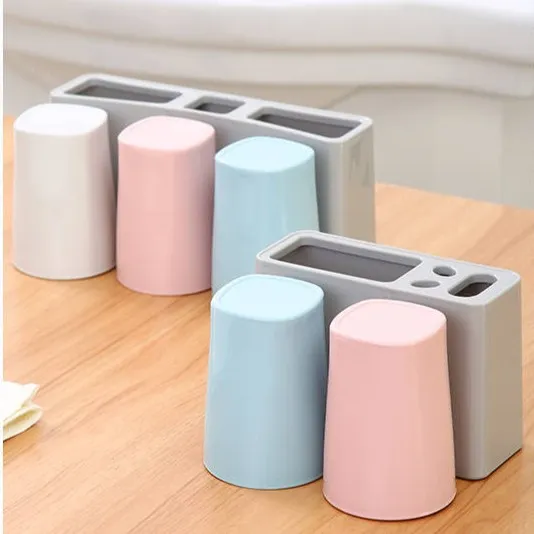
A plastic toothbrush holder is lightweight and easy to handle. Many designs can be cleaned quickly, and removable components may make maintenance more convenient.
However, plastic products can develop scratches or surface wear over time. If residue collects in these areas, cleaning may become more difficult. This does not mean that every plastic holder is unhygienic; the actual result depends on the material, design, condition, and cleaning routine.
Quick Comparison
| Hygiene Factor | セラミック製歯ブラシ立て | Plastic Toothbrush Holder |
|---|---|---|
| Surface cleaning | Smooth glazed surfaces are easy to wipe | Usually easy to wipe when the surface is smooth |
| Residue buildup | Depends on opening and compartment design | Depends on opening and compartment design |
| Scratches and wear | Glaze can chip or crack if damaged | Some plastics may scratch with repeated use |
| Moisture management | Depends on drainage and internal structure | Depends on drainage and internal structure |
| Daily maintenance | Regular cleaning is necessary | Regular cleaning is necessary |
The practical takeaway: Choose a holder with smooth, accessible surfaces, enough space between toothbrushes, and a design that prevents water from remaining trapped inside.
2. What Are the Main Differences Between Plastic and Ceramic Toothbrush Holders?
Beyond hygiene, the two materials differ in appearance, weight, handling, durability, and commercial value. These differences matter most for buyers selecting products for a retail collection or hotel bathroom project.
| 特徴 | セラミック製歯ブラシ立て | Plastic Toothbrush Holder |
|---|---|---|
| 外観 | Often offers a premium, decorative finish | Available in many colors and simple designs |
| 重量 | Generally heavier | Generally lighter |
| 表面仕上げ | Glossy glaze, matte finishes, textures, and decorative patterns | Varies by plastic type and surface treatment |
| Impact resistance | Can chip or break if dropped | Often more resistant to shattering |
| 掃除 | Smooth glazed surfaces are convenient to wipe | Smooth surfaces are convenient to wipe |
| Design positioning | Premium home décor, coordinated bathroom sets | Budget-friendly and practical collections |
| カスタマイズ | Shapes, colors, glaze finishes, and decoration | Colors, shapes, and branding depending on manufacturing method |
| Shipping considerations | Requires protection against impact | Usually easier to handle and less fragile |
For buyers comparing ceramic vs plastic bathroom accessories, the decision should reflect the target market rather than material alone.
Ceramic is often a strong choice for brands that want coordinated, design-led bathroom collections. Plastic may be more suitable when lightweight handling, low-cost positioning, or impact resistance is the priority.
3. Which Material Is Easier to Clean and Maintain?
A toothbrush holder is easier to maintain when its shape allows users to remove residue without specialized tools. Both ceramic and plastic can meet this requirement, provided their surfaces and structures are well designed.
How to Clean a Ceramic Toothbrush Holder
To maintain a ceramic toothbrush holder, follow these steps:
- Remove the toothbrushes. Take out all toothbrushes and removable inserts.
- Rinse away loose residue. Use warm water to remove toothpaste and other visible deposits.
- Wash the holder. Clean the inside and outside with mild dish soap and a soft brush or sponge.
- Clean narrow openings. Use a small, soft brush to reach the base of toothbrush slots and other difficult areas.
- Rinse thoroughly. Remove all remaining soap and debris.
- Dry completely. Allow the holder to air-dry before returning the toothbrushes.
Avoid abrasive pads that may damage decorative finishes. If the ceramic is chipped, cracked, or has exposed, hard-to-clean unglazed areas, inspect it carefully and consider replacement.
How to Clean a Plastic Toothbrush Holder
The same basic routine works for most plastic holders:
- Remove toothbrushes and detachable parts.
- Rinse away toothpaste and loose debris.
- Wash with mild soap and water.
- Use a soft brush to clean corners and slots.
- Rinse thoroughly and allow all components to dry.
Check the manufacturer’s instructions before using strong disinfectants or placing a plastic holder in a dishwasher. Heat and cleaning chemicals may damage certain materials.
The U.S. Centers for Disease Control and Prevention (CDC) explains that, in most household situations, cleaning with soap and water removes most germs and dirt from surfaces. It also recommends cleaning surfaces before disinfecting them when disinfection is necessary. See the CDC’s cleaning and disinfecting guidance.
For everyday toothbrush holder maintenance, regular cleaning and thorough drying are more important than assuming one material is automatically more hygienic.
4. Can Either Material Develop Mold or Buildup?
Yes. Both ceramic and plastic toothbrush holders can develop residue buildup or support mold growth when moisture and organic material remain for extended periods.
The risk depends on the bathroom environment, the holder’s design, and how frequently it is cleaned.
Common Causes of Buildup
- Trapped moisture: Water remains at the bottom of the holder or inside narrow compartments.
- Toothpaste residue: Dried toothpaste collects around the openings.
- Poor ventilation: The holder stays damp because air cannot circulate effectively.
- Infrequent cleaning: Residue accumulates over time.
- Damaged surfaces: Chips, cracks, or worn areas become harder to clean thoroughly.
How Can Buyers Reduce These Risks?
When selecting a toothbrush holder, look for:
- Smooth surfaces with minimal hard-to-reach corners.
- Openings that allow toothbrushes to remain separated.
- A stable base that is easy to wipe.
- Drainage or a removable insert where appropriate.
- Materials and finishes that can withstand regular cleaning.
For household users, clean the holder regularly and whenever visible residue appears. For hotels and other shared facilities, establish a cleaning schedule that matches usage levels and housekeeping procedures.
Important: A ceramic holder is not mold-proof, and a plastic holder is not automatically more prone to mold. Water retention, residue, and maintenance practices are the key factors to assess.
5. Which Toothbrush Holder Is Better for Hotels and Bulk Buyers?
For hotels, retailers, and distributors, choosing a toothbrush holder involves more than hygiene. Buyers also need to consider product presentation, replacement needs, consistency across orders, and total sourcing cost.
Ceramic Toothbrush Holders for Hotels
Ceramic holders are suitable for hotels that want a coordinated and premium bathroom appearance.
Potential advantages include:
- Consistent interior styling: Match toothbrush holders with soap dispensers, tumblers, and soap dishes.
- Decorative flexibility: Select from different colors, shapes, glaze finishes, and patterns.
- Premium positioning: Support a more refined look for boutique hotels, resorts, and higher-end accommodation.
- Collection development: Source matching products as part of a coordinated bathroom accessory set.
Buyers should also consider the risk of breakage, particularly during housekeeping, storage, and international shipping. Appropriate packaging and replacement planning are important for bulk orders.
Plastic Toothbrush Holders for Hotels
Plastic holders can be practical for projects that prioritize lightweight handling, lower-cost purchasing, or resistance to shattering.
They may suit budget accommodation, high-volume purchasing, and facilities where products need to be moved frequently. Buyers should still assess surface wear, cleaning access, and product appearance before selecting a model.
Which Should Wholesale Buyers Choose?
| Buyer Requirement | Recommended Direction |
|---|---|
| Premium bathroom collections | Consider ceramic |
| Coordinated hotel bathroom accessories | Consider ceramic |
| Lightweight products | Consider plastic |
| Lower-cost product positioning | Compare plastic options |
| Custom colors and decorative finishes | Evaluate ceramic customization capabilities |
| Reduced breakage risk | Consider plastic or assess ceramic packaging carefully |
For wholesale ceramic toothbrush holders, buyers should request product samples, confirm finish consistency, and check whether the manufacturer can maintain the approved specifications across bulk and repeat orders.
6. How to Choose a Toothbrush Holder for Your Product Collection
For retailers, importers, and private-label brands, the right toothbrush holder should fit the intended market and work well alongside the rest of the bathroom accessory collection.
1. Define Your Target Market
Identify whether the collection is intended for premium home décor, boutique hotels, budget retail, or mass-market distribution.
This decision helps determine the appropriate material, finish, product design, and target price range.
2. Evaluate Surface Quality and Design
For ceramic products, inspect the glaze, color consistency, surface smoothness, and overall finish. Check the slots and interior compartments to ensure they are accessible for cleaning.
For plastic products, examine the surface for rough edges, scratches, and areas that may retain residue.
3. Check Dimensions and Stability
Confirm that the holder accommodates the intended toothbrush types and remains stable on a wet bathroom countertop.
If the product is part of a matching collection, check that its size, color, and finish coordinate with the other accessories.
4. Consider Customization Options
Brands seeking a distinctive product range may require:
- Custom shapes and dimensions.
- Specific glaze colors and surface textures.
- Decorative patterns or logo applications.
- Matching soap dispensers, tumblers, and soap dishes.
- Customized packaging for retail or wholesale orders.
A manufacturer with ceramic production and decoration capabilities can help buyers develop a consistent collection rather than sourcing unrelated products individually.

5. Assess the Supplier Before Ordering in Bulk
Before confirming a bulk order, ask the supplier about:
- Minimum order quantity (MOQ).
- Sample availability and approval procedures.
- Production and quality inspection processes.
- Packaging protection and shipping arrangements.
- Customization feasibility and lead times.
- Repeat-order consistency and replacement procedures.
These checks help buyers reduce sourcing risks and make more informed purchasing decisions.
7. Why Choose Yigejia Ceramics for Wholesale Ceramic Toothbrush Holders?
一格家陶器 is a ceramic bathroom accessories manufacturer based in Chaozhou, Guangdong, China. Established in 1998, the company serves global buyers looking for ceramic bathroom products, coordinated accessory collections, and OEM/ODM customization.
With a factory covering more than 10,000 square meters, Yigejia has production capabilities including slip casting, roller forming, high-pressure forming, and automated kiln production.
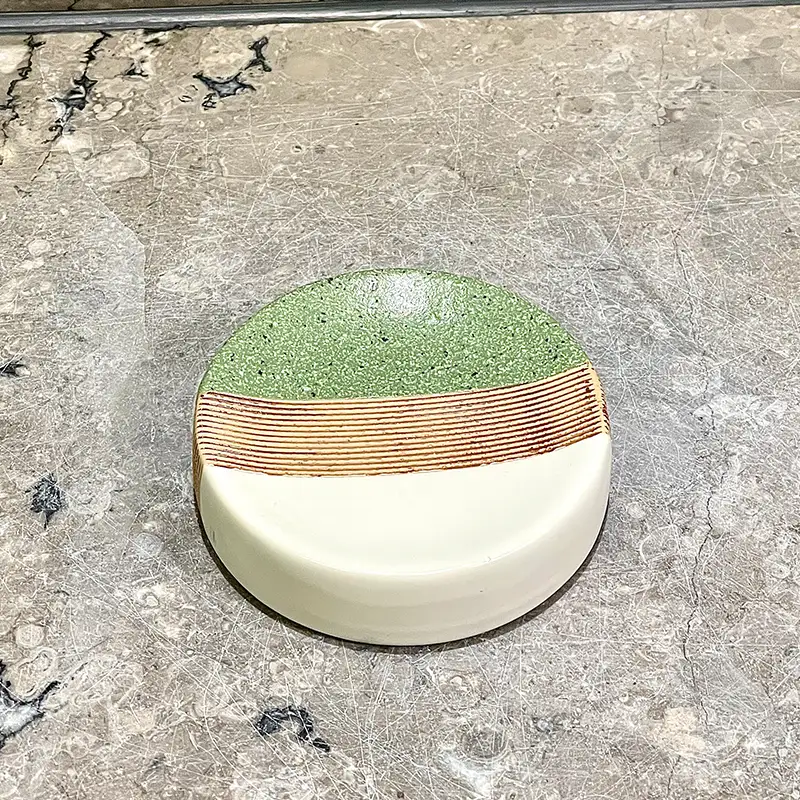
Its product range includes ceramic toothbrush holders, soap dispensers, tumblers, soap dishes, toilet brush holders, and complete bathroom accessory sets.
For retailers, hotel suppliers, distributors, and private-label brands, Yigejia offers:
- Design variety: Different shapes, colors, textures, and decorative finishes.
- OEM/ODM support: Customization options for product designs, colors, patterns, logos, and packaging, subject to project requirements.
- Coordinated collections: Matching ceramic accessories for a consistent bathroom style.
- Manufacturing experience: Established ceramic production and quality inspection processes.
- Export experience: Products supplied to markets including Europe, the United States, the United Kingdom, Australia, South America, and Southeast Asia.
If you are sourcing wholesale ceramic toothbrush holders, Yigejia can help you explore existing designs and discuss customization requirements for your target market.
Explore our セラミックバスルームアクセサリー or contact our team to discuss bulk purchasing and private-label opportunities.
FAQ: Plastic vs. Ceramic Toothbrush Holders
Is a ceramic toothbrush holder more hygienic than a plastic one?
Not necessarily. Both materials can be hygienic when they have cleanable surfaces, a practical design, and proper maintenance. Ceramic holders with smooth glazed surfaces can be easy to clean, but hygiene also depends on drainage, residue buildup, and drying.
Can a ceramic toothbrush holder develop mold?
Yes. Mold can develop when moisture and residue remain for extended periods. Regular cleaning, adequate drying, and a design that prevents trapped water help reduce this risk.
How often should I clean my toothbrush holder?
Clean it regularly and whenever toothpaste residue or other deposits become visible. In shared or hotel bathrooms, cleaning frequency should reflect usage and housekeeping requirements.
How to clean a ceramic toothbrush holder without damaging the glaze?
Use warm water, mild soap, and a soft sponge or brush. Avoid abrasive cleaning tools and follow the manufacturer’s care instructions, particularly for holders with metallic decorations or specialty finishes.
Are plastic toothbrush holders better for hotels?
Plastic holders may be more practical where lightweight handling, lower-cost purchasing, and reduced shattering risk are priorities. Ceramic holders may be a better fit for premium hotel interiors and coordinated bathroom accessory collections. The best choice depends on the property’s needs.
Can I buy wholesale ceramic toothbrush holders with custom designs?
Yes. Ceramic manufacturers may offer custom colors, shapes, decorative finishes, logos, and matching bathroom accessories. Confirm MOQ, sample approval, production timelines, and packaging requirements with the supplier before placing a bulk order.
結論
When comparing plastic vs ceramic toothbrush holders, neither material guarantees better hygiene on its own. A holder’s surface condition, internal structure, drainage, cleaning routine, and ability to dry properly all affect everyday cleanliness.
Ceramic toothbrush holders offer a strong option for premium bathroom collections because they combine smooth glazed surfaces with a wide range of decorative and customization possibilities. Plastic holders can be practical for lightweight, budget-focused applications. For hotels and wholesale buyers, the right choice depends on the target market, maintenance requirements, and overall product strategy.
一格家陶器 provides ceramic toothbrush holders and coordinated bathroom accessories for global retailers, hotel suppliers, distributors, and private-label brands. Contact our team to explore wholesale designs, customization options, and matching ceramic bathroom collections.