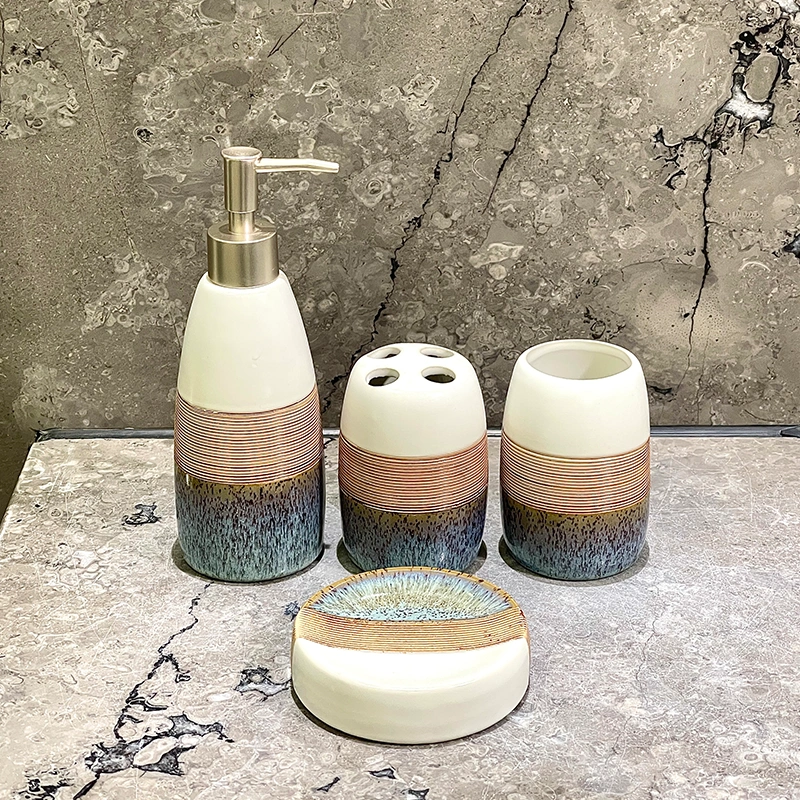
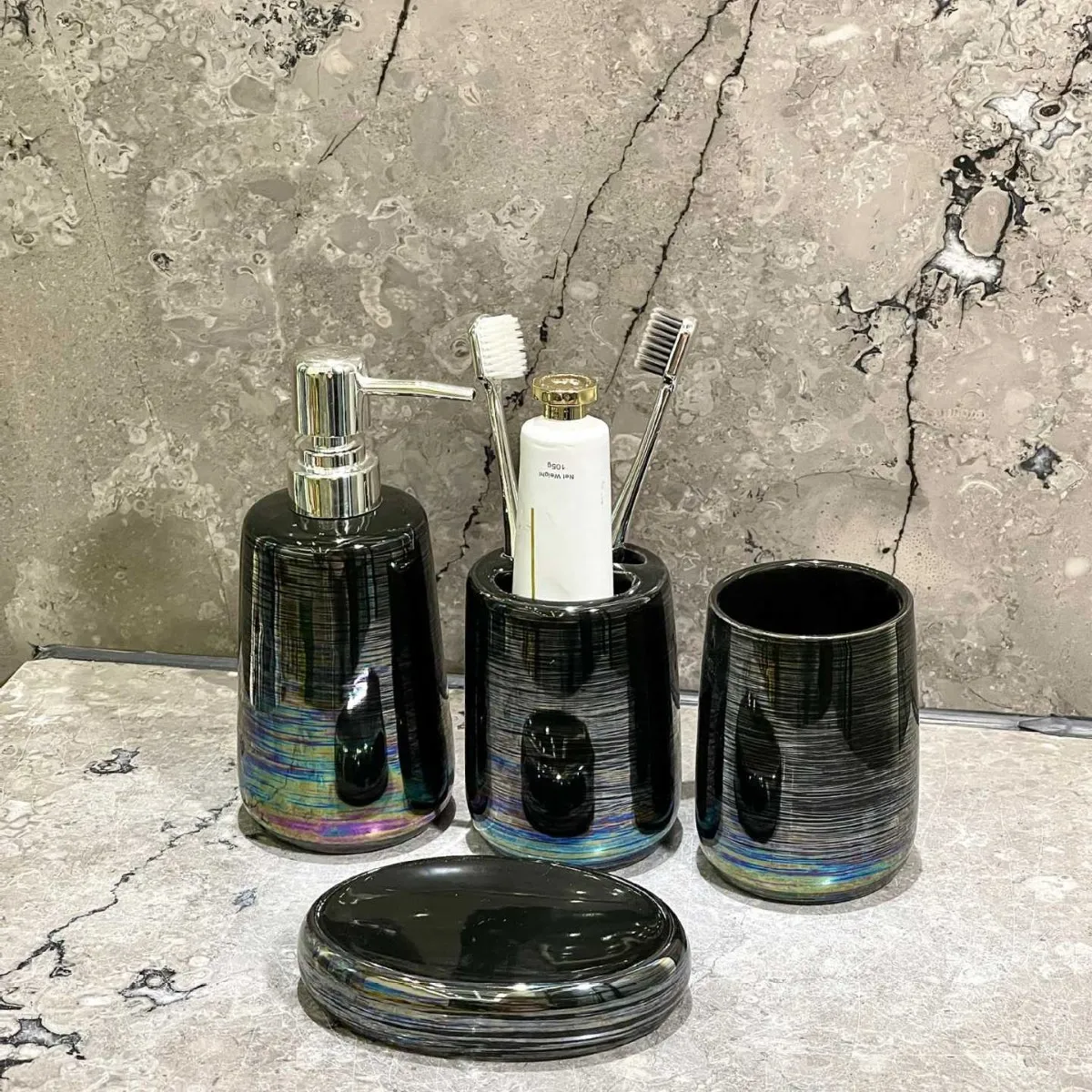
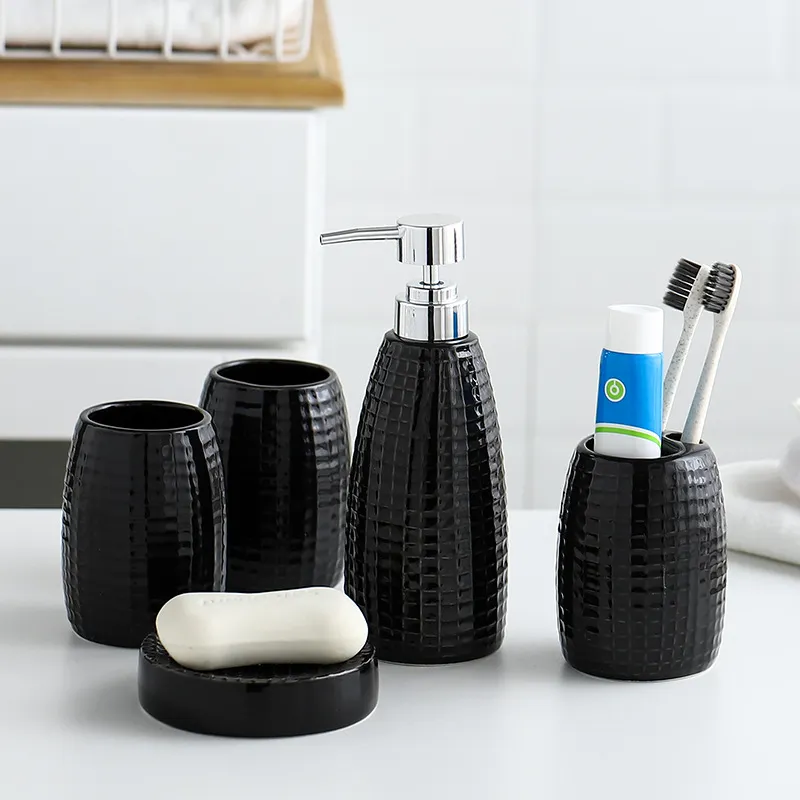
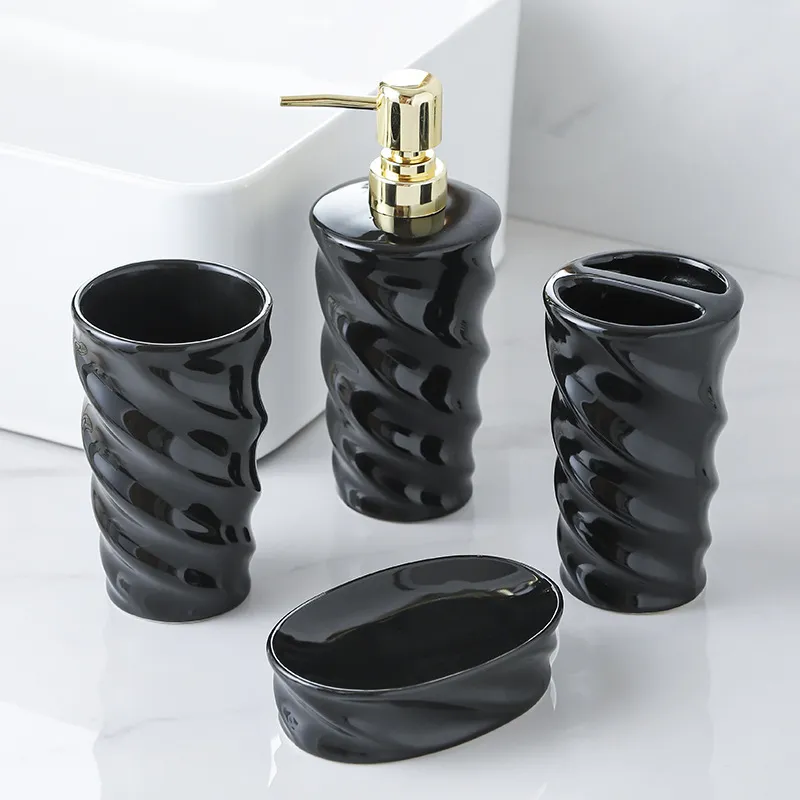
Design Failure Mode and Effects Analysis (FMEA) helps ceramic bathroom accessory buyers identify potential design problems before tooling and mass production. By evaluating product functions, component interfaces, usability, stability, and manufacturing feasibility, buyers can reduce avoidable design changes and improve sample approval. Céramique Yigejia is a custom ceramic bathroom accessory factory manufacturer, offering Développement OEM/ODM, ceramic production, and coordinated product solutions for global wholesalers, importers, retailers, and private-label brands.
What Is Design FMEA for a Ceramic Bathroom Accessory?
Design FMEA is a structured method for evaluating how a product design could fail to meet its intended functions before the design is finalized. It examines potential failure modes, their consequences, possible causes, and the actions needed to reduce risk.
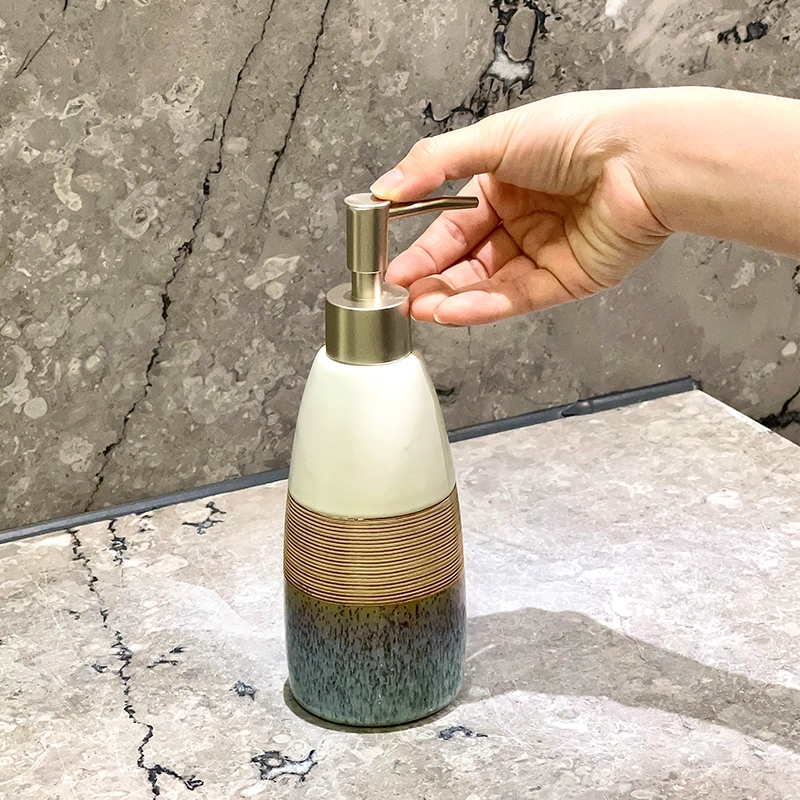
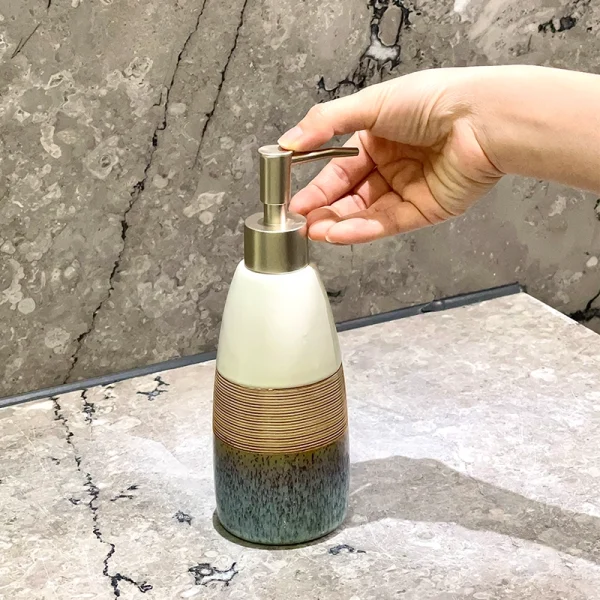
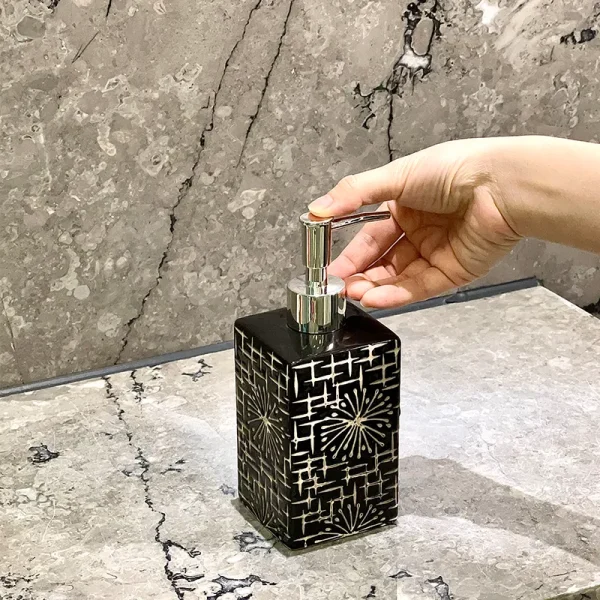
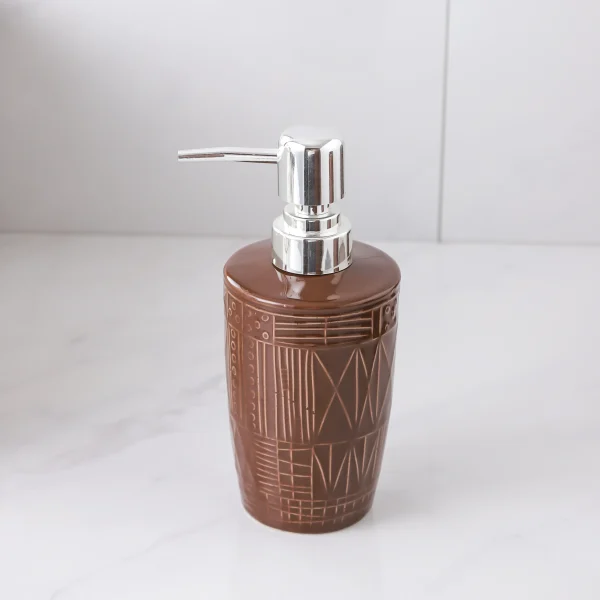
For example, a ceramic soap dispenser must hold liquid, support its pump, dispense consistently, and allow convenient refilling. If its pump interface is incompatible with the selected component, the product may be difficult to assemble or operate even when the ceramic body looks perfect.
Design FMEA differs from two related quality activities:
| Activity | Main purpose | Typical timing |
|---|---|---|
| Design FMEA | Identify potential design-related failures | During product development |
| Contrôle des produits | Check whether products meet defined requirements | During or after production |
| Root-cause analysis | Investigate why a known problem occurred | After a problem is identified |
These activities complement one another. Inspection checks conformity, while Design FMEA helps teams determine which design risks should be addressed before manufacturing.
Why Does a Ceramic Bathroom Accessory Need Design Risk Analysis?
A ceramic bathroom accessory must satisfy aesthetic, functional, manufacturing, and commercial requirements simultaneously. A design that looks appealing in a sample may still create problems if its proportions, components, or surface details do not support practical use and repeatable production.
Consider these common design trade-offs:
- A narrow dispenser neck may create difficulties when fitting a pump.
- A lightweight base may make a dispenser less stable during operation.
- Decorative recesses may make cleaning more difficult.
- An unusual product shape may require additional manufacturing review.
- An unspecified component interface may create problems when the product is reordered.
These possibilities are not automatic defects. They are design questions that should be evaluated against the product’s intended use and specifications.
For customized collections, early risk analysis is especially valuable because a change to one feature can affect other design decisions, tooling, packaging, or component selection.
How Do You Identify Potential Failures in a Ceramic Bathroom Accessory?
Start by defining what each product must do. Then identify how each function could fail, what the customer would experience, and what might cause the failure.
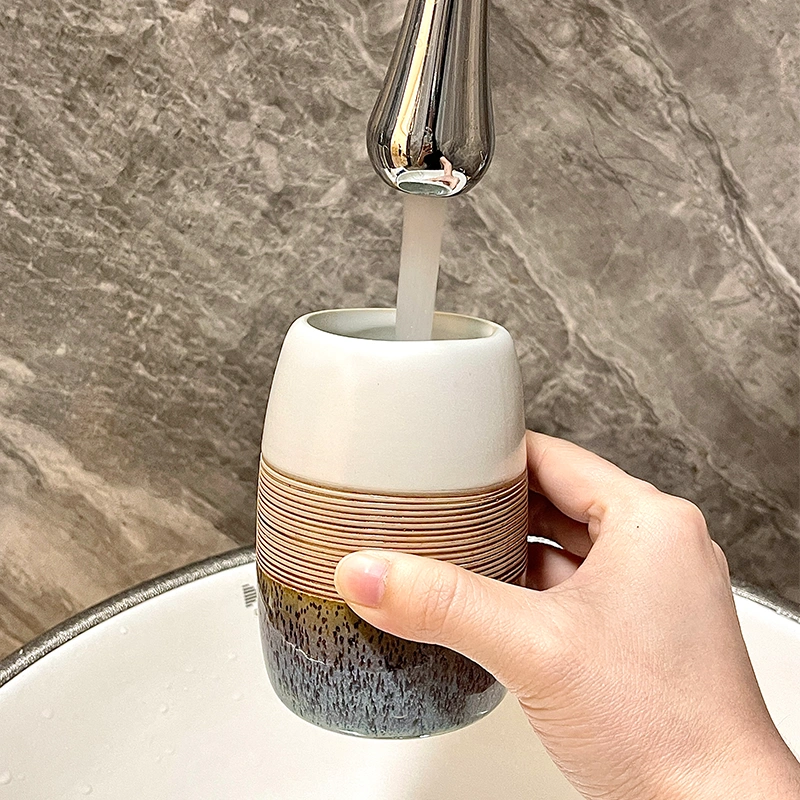
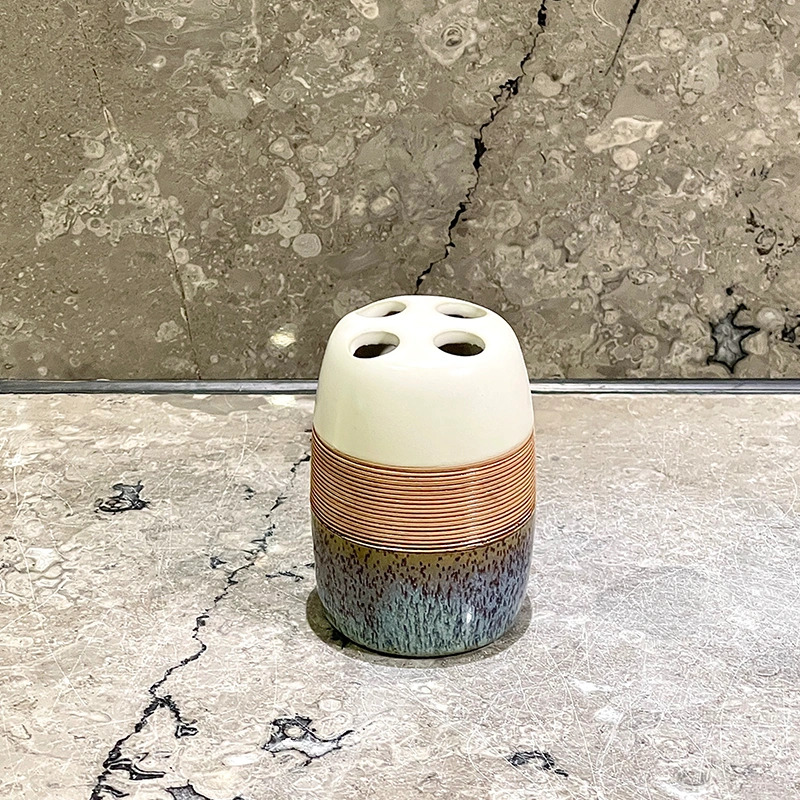
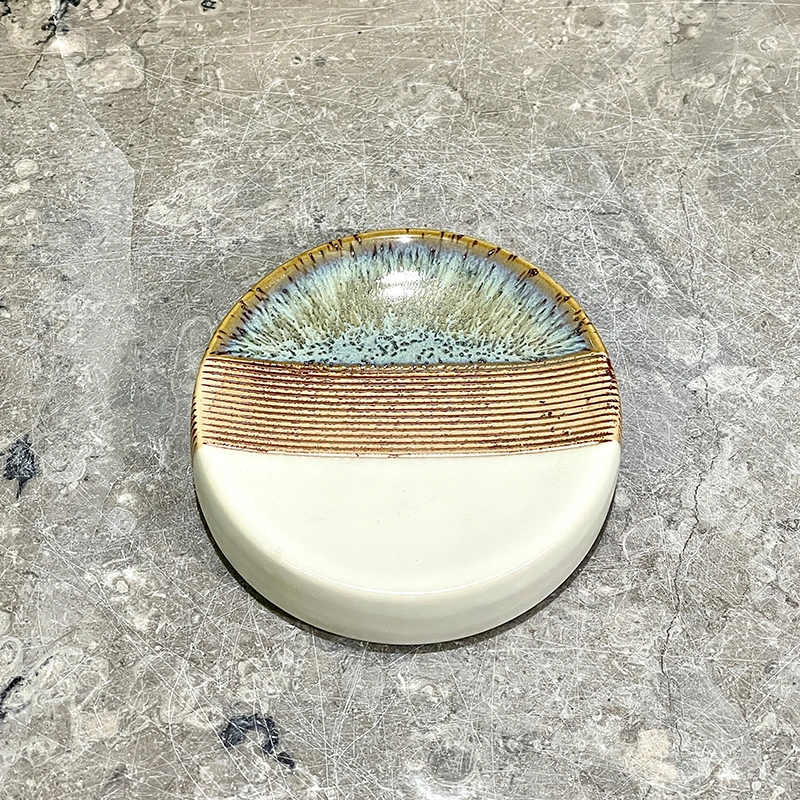
A typical ceramic bathroom four-piece set contains a soap dispenser, toothbrush holder, tumbler, and soap dish. Each product requires a different functional review.
| Product | Intended function | Potential design risk |
|---|---|---|
| Distributeur de savon | Hold liquid, dispense consistently, support the pump, and allow refilling | Incompatible pump interface or unstable operation |
| Porte-brosse à dents | Accommodate intended items and remain practical to clean | Opening too narrow or capacity unsuitable |
| Gobelet | Hold contents and stand securely | Unstable base or inconvenient handling |
| Porte-savon | Support soap and allow practical handling and cleaning | Poor soap fit or difficult-to-clean geometry |
A useful FMEA separates three concepts:
- Failure mode: What could go wrong? For example, the dispenser pump becomes loose.
- Effect: What happens because of the failure? The pump may become misaligned or dispensing may become unreliable.
- Cause: Why could it happen? The interface dimensions, sealing arrangement, component compatibility, or assembly requirements may be unsuitable.
Writing “poor quality” does not identify a specific failure or an actionable solution. A clear description connects the failure to a customer consequence and a plausible cause.
How Do You Evaluate and Prioritize FMEA Risks?
A practical FMEA evaluates the severity of a failure, the likelihood of its occurrence, and the ability of existing controls to detect it before the product reaches the customer.
| Assessment | Key question | Evidence to consider |
|---|---|---|
| Severity | How serious would the consequence be? | Functional requirements and customer impact |
| Occurrence | How likely is the failure to happen? | Prototype results, historical issues, and design experience |
| Detection | How likely are current controls to identify the failure? | Inspection methods and functional test coverage |
Some FMEA methods multiply these ratings into a Risk Priority Number (RPN). However, different rating combinations can produce the same RPN while representing different risk profiles. Teams should therefore review the underlying failure and its consequences instead of relying on a number alone.
What Does a Practical FMEA Example Look Like?
Consider a ceramic soap dispenser developed for a private-label bathroom collection. The design team identifies a potential failure: the pump does not remain securely aligned with the ceramic body.
| FMEA element | Example |
|---|---|
| Product function | Support the pump and enable reliable dispensing |
| Failure mode | Pump becomes loose or misaligned |
| Potential effect | Difficult operation, poor user experience, or possible leakage depending on the design |
| Possible causes | Incompatible interface dimensions, unsuitable sealing, or inconsistent assembly |
| Preventive action | Define interface requirements and evaluate the complete assembly |
| Verification | Check dimensions, inspect assembled samples, and conduct documented dispensing tests |
The analysis should lead to a specific action and a method for confirming its effectiveness. Merely recording a potential failure does not reduce the risk.
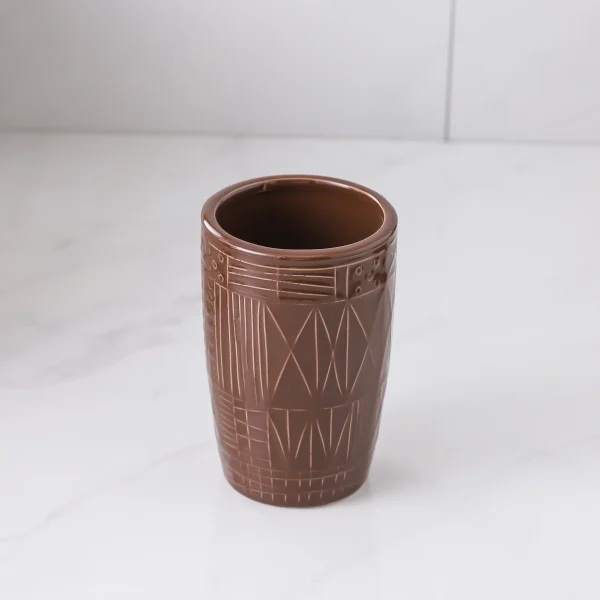
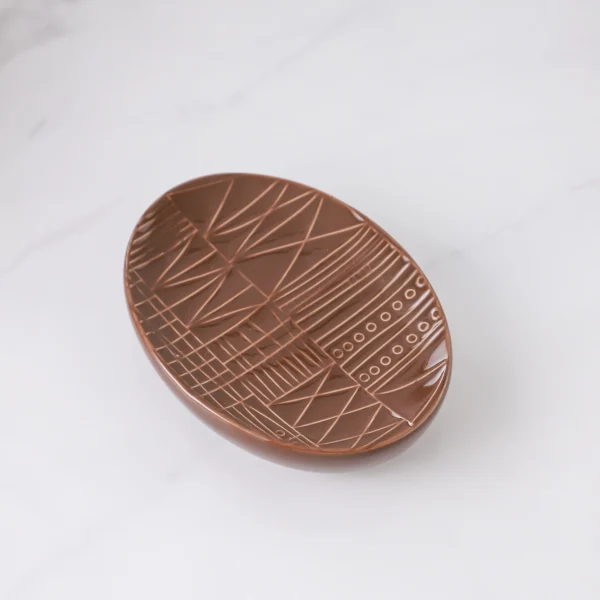
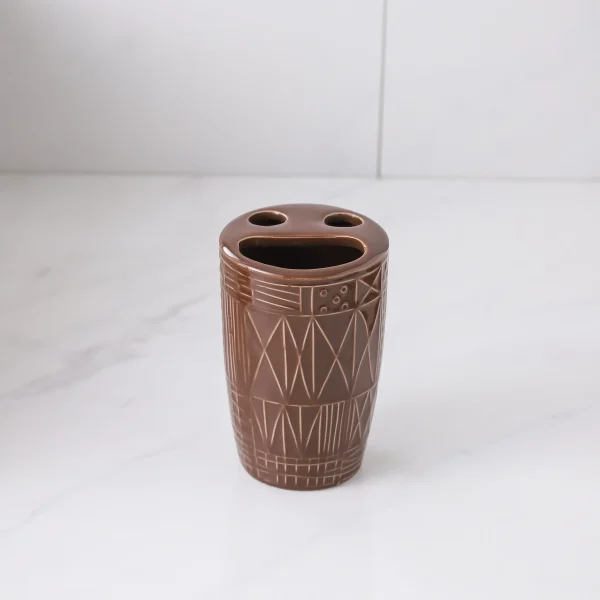
The same principle applies to other products. A toothbrush holder may require checks with representative toothbrushes, while a tumbler may need stability assessment and a soap dish may require evaluation under representative use and cleaning conditions.
When Should You Start FMEA in an OEM/ODM Project?
Start the review while the design can still be changed without major disruption. For a customized ceramic bathroom accessory, this usually means evaluating key functions and interfaces before tooling approval, then updating the analysis as prototypes and test results become available.
A practical development sequence is:
- Define the concept: Confirm the product’s intended functions, target market, and customer requirements.
- Conduct the initial risk review: Identify potential failures involving geometry, components, usability, and manufacturability.
- Evaluate prototypes: Review the actual product and update the risk assessment using observations and test results.
- Complete functional testing: Check the specific risks identified during the review.
- Approve tooling and specifications: Confirm critical dimensions, components, and design references.
- Validate production: Verify that the approved design can be manufactured consistently.
Late changes to molds, component interfaces, or product geometry may require additional samples and approvals. Early review gives buyers and fabricants more opportunity to resolve important uncertainties before committing to production.
Who Should Participate in a Design FMEA Review?
A useful FMEA combines design knowledge with manufacturing, quality, component, and customer requirements. The appropriate participants depend on the product’s complexity, but a custom project may involve:
- Product designers who understand the intended appearance and functions.
- Ceramic manufacturers who assess forming, firing, finishing, and production feasibility.
- Quality teams that define inspection and verification methods.
- Component suppliers who understand pump dimensions and interface requirements.
- Buyers or brand owners who specify market, packaging, and user expectations.
This collaboration is particularly useful for OEM/ODM projects because custom requirements may affect both product design and manufacturing decisions.
How Should FMEA Findings Be Converted Into Action?
Each priority risk should lead to an action, an assigned responsibility, and evidence showing whether the action worked.
| Identified risk | Recommended action | Verification evidence |
|---|---|---|
| Pump interface may be incompatible | Define interface dimensions and tolerance requirements | Measurements and assembled-sample checks |
| Dispenser may move during pumping | Review base geometry and intended-use stability | Documented stability and use tests |
| Decorative details may vary between samples | Define critical visual characteristics | Approved reference and pilot-sample review |
| Product may be difficult to clean | Evaluate the final geometry under representative conditions | Recorded observations and design acceptance |
The test must match the risk. If the concern is pump compatibility, a visual check of the ceramic body alone is insufficient. The complete assembly must be evaluated.
Similarly, if a custom soap dish has a sculptural shape, the team should consider soap fit, stability, cleaning, and manufacturing feasibility. The goal is to preserve the design concept while confirming that the product meets its intended requirements.
How Is Design FMEA Different From Process FMEA?
Design FMEA evaluates whether the product design could fail to meet its intended functions. Process FMEA evaluates how manufacturing operations could fail to produce a conforming product.
For a ceramic dispenser, an undefined pump interface is a potential design risk. Variation introduced during forming, firing, finishing, or assembly is a potential process risk.
The two methods work together. FMEA helps establish what the product must achieve; Process FMEA helps identify how the production process could affect those requirements. Clear specifications and verified samples connect design intent with manufacturing controls.
What Mistakes Should Buyers Avoid When Using Design FMEA?
Buyers and fabricants can make FMEA more effective by avoiding five common mistakes:
- Starting too late: Review design risks before critical tooling and interface decisions are frozen.
- Using vague descriptions: Identify a specific failure mode, consequence, and plausible cause.
- Assigning unsupported scores: Use available evidence and record assumptions clearly.
- Focusing only on visible defects: Consider functional problems that may not appear during a brief inspection.
- Closing actions without verification: Confirm through appropriate testing or review that the action addresses the identified risk.
A design FMEA document is useful only when it influences design decisions and verification activities.
How Can Design FMEA Improve Ceramic Bathroom Accessory Sourcing?
Design FMEA can help importers, wholesalers, retailers, and private-label brands establish clearer specifications, focus sample testing, reduce avoidable design changes, and improve communication with manufacturers. It is particularly relevant when developing new products, unusual shapes, coordinated sets, or customized components.
Buyers can make supplier discussions more actionable by replacing general requests with measurable requirements. Instead of saying, “The dispenser needs to be better,” specify the pump interface, expected operation, required checks, and evidence needed for sample approval.
Design FMEA cannot guarantee that every failure will be predicted or prevented. Its value lies in identifying foreseeable risks systematically and addressing important issues while practical solutions remain available.
Foire aux questions
1. What is design FMEA in ceramic bathroom accessory development?
Design FMEA is a structured method for identifying potential design failures, evaluating their effects and causes, prioritizing risks, and defining preventive actions before production.
2. Does every ceramic bathroom accessory need a formal Design FMEA?
No. The level of analysis should match the product’s complexity, novelty, intended use, and potential consequences of failure. A customized dispenser may justify a more detailed review than an established, simple product.
3. Can design FMEA eliminate all product failures?
No. Design FMEA cannot guarantee zero failures. It helps teams identify foreseeable risks and take proportionate preventive actions based on available information.
4. Can Design FMEA reduce OEM/ODM development costs?
It can help identify design issues before tooling and production commitments make changes more disruptive. Actual savings depend on the project and the effectiveness of the corrective actions.
5. Should the ceramic manufacturer participate in Design FMEA?
Yes. The manufacturer can contribute knowledge about product geometry, ceramic forming, firing, finishing, assembly, and manufacturing feasibility. Component suppliers and buyers should also participate when their expertise is relevant.
6. When should Design FMEA be updated?
Review it when important changes affect the design, pump or other components, glaze, mold, manufacturing process, intended use, or target market.
Conclusion
Design FMEA offers ceramic bathroom accessory buyers a more systematic way to think about product development. Instead of relying only on sample inspection and supplier assurances, buyers can examine how the product might fail, why the failure could occur, what the consequences would be, and which actions deserve attention before mass production.
For importers, wholesalers, retailers, hospitality buyers, and private-label brands, the method can be a useful addition to OEM/ODM development. Define the product’s functions, identify credible risks, prioritize them thoughtfully, and verify the solutions before committing to large-scale production. This is how risk analysis becomes a practical sourcing tool rather than just another quality document.
Partner With Yigejia Ceramics for Custom OEM/ODM Development
Céramique Yigejia is a ceramic bathroom accessory manufacturer based in Chaozhou, Guangdong, known as China’s ceramic capital. With more than 20 years of experience and a modern factory covering over 10,000 square meters, we support custom ceramic development through slip casting, roller forming, high-pressure forming, and automated kiln production.
Our capabilities cover medium- and high-temperature ceramic products, including decal white porcelain, colored glazed ceramics, and hand-brushed designs. We provide OEM/ODM solutions and quality control for global buyers, with products supplied to markets across Europe, the United States, the United Kingdom, Australia, South America, and Southeast Asia.
Whether you are sourcing a coordinated bathroom set, developing a custom dispenser, or building a private-label collection, Céramique Yigejia can work with your team on product design, specifications, sample evaluation, and manufacturing requirements. Contact Céramique Yigejia to discuss your next ceramic bathroom accessory project and build a long-term manufacturing partnership.
-

Custom 4-Piece Bathroom Accessory Set, Reactive Glaze Luxury Hotel Bath Ceramic Accessories
-

Custom 4 Piece Bath Accessory Set Wholesale Electroplated Gradient Ceramic Bathroom Set
-
Black and White Bathroom Set Wholesale 5-piece Ceramic Bath Accessory Set with Pump
-
OEM Black Bathroom Accessories Set Supplier, 4-piece Spiral Relief Decor Bath Set with Gold Pump