When purchasing ensembles de salle de bains en céramique, have you ever encountered these issues: samples that meet your expectations but the final batch has color discrepancies; prices that are tempting but delivery dates are repeatedly delayed; enthusiastic communication but no one to contact for after-sales support…
Choosing the right manufacturer plays a key role in product quality and supply stability. A dependable partner should not only deliver consistent products but also support your business in long-term cooperation. This article provides a practical evaluation framework across six dimensions and introduces a real-world example that meets all these criteria—YIGEJIA from Chaozhou, China’s “Porcelain Capital.”
Examining Industrial Clusters: Geography Determines the Foundation of the Supply Chain
Many people choose manufacturers based solely on price and images, overlooking a fundamental yet critical factor: the industrial cluster background.
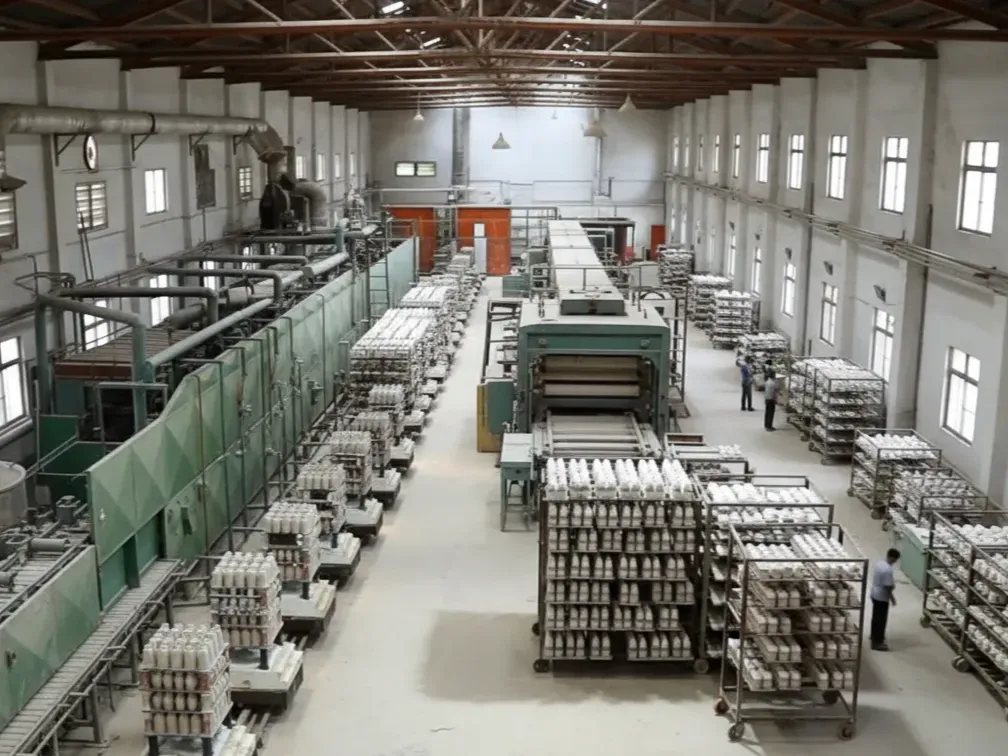
The ceramics industry exhibits distinct cluster characteristics. Factories rooted in core production areas ensure more stable raw material supplies, more mature craftsmanship traditions, and more efficient collaborative support. As the renowned “Porcelain Capital,” Chaozhou, China, boasts centuries of ceramic production history, with the entire industry chain—from clay and glaze to molding, firing, and packaging—highly concentrated in the region.
The advantages of this environment are clear:
- More controllable raw material and logistics costs
- Easier access to skilled technical workers
- Faster response times from supporting suppliers
Therefore, prioritizing manufacturers from core production regions is a sound starting point.
Examining Hard Data: Evaluating Actual Production Capacity Through Metrics
Getting a real read on a factory’s capabilities means setting aside the marketing materials and zeroing in on hard data. Here are several evaluation criteria worth using:
| Indicator | YIGEJIA Data | Value for Buyers |
|---|---|---|
| Expérience en matière de production | 15+ Years | Stable craftsmanship with the ability to identify and avoid common quality issues |
| Zone de l'usine | 10,000+ ㎡ | Strong mass production capability, not a small workshop |
| Annual Capacity | 5 Million Pieces | Able to support bulk orders and urgent deliveries |
| Number of Employees | 100+ | Clear workflow division with complete quality control processes |
| Service Type | ODM / OEM | Full support from product design to mass production |
A manufacturer willing to transparently disclose this data typically has full confidence in its delivery capabilities. In practical business operations, the ability to create production schedules for individual projects—down to the batch level—is a sign of mature management capabilities.
Assessing Product Capabilities: Product Range and Craftsmanship
A dependable manufacturer combines a full product line with strong craftsmanship.
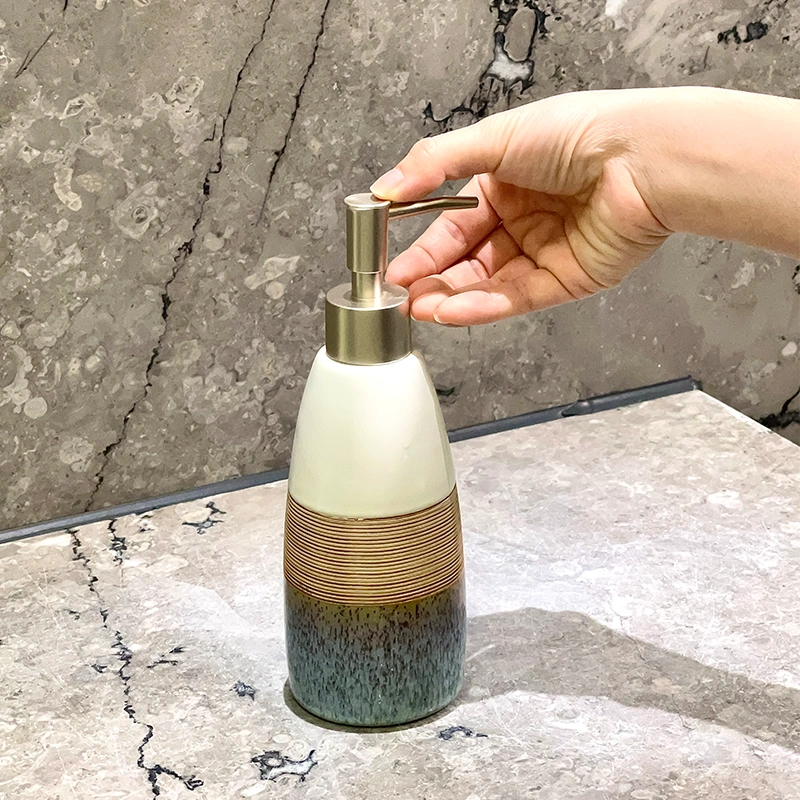
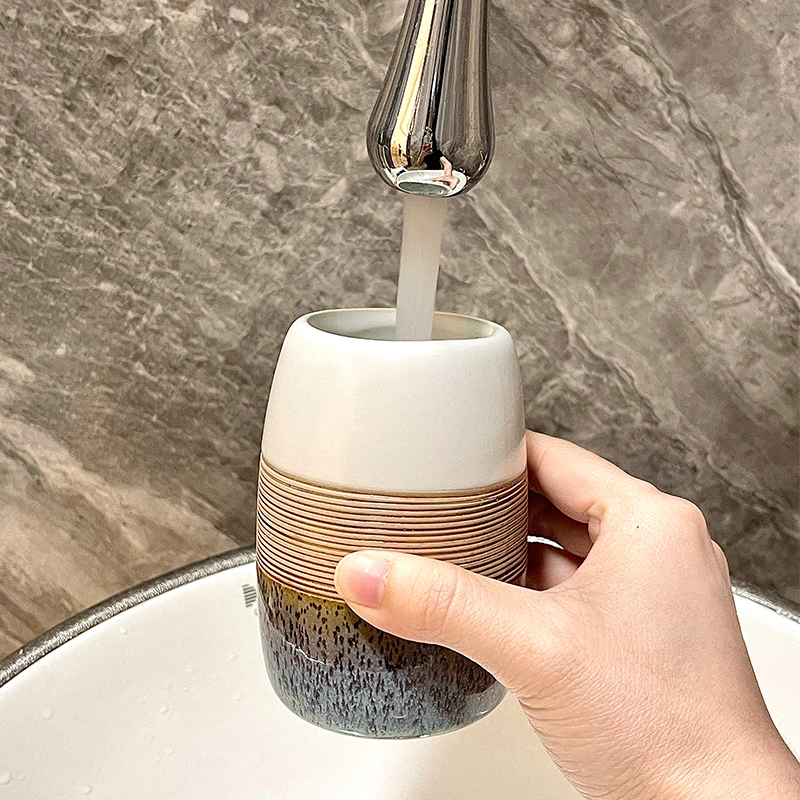
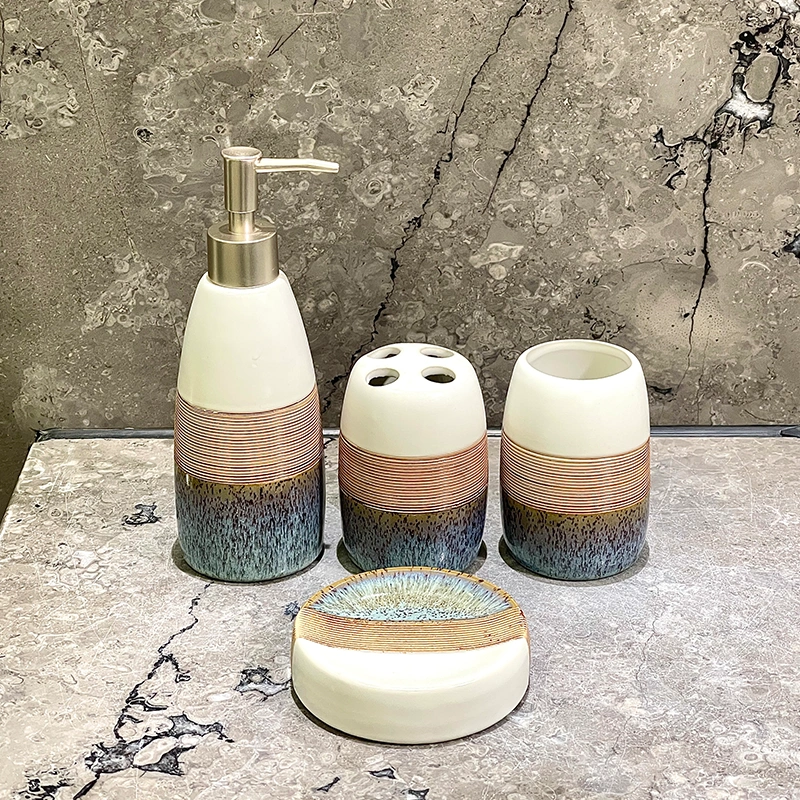
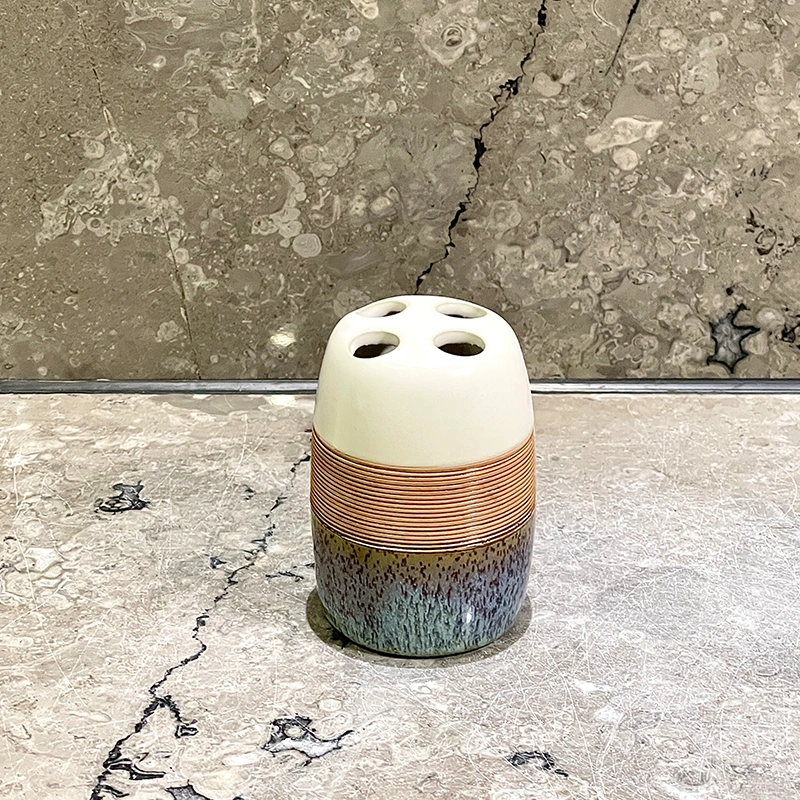
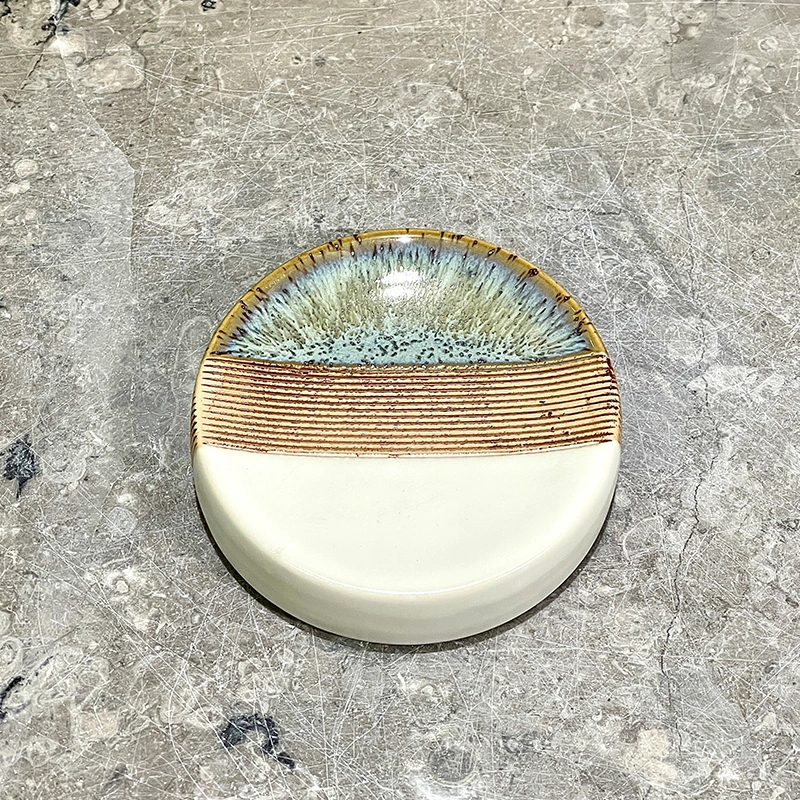
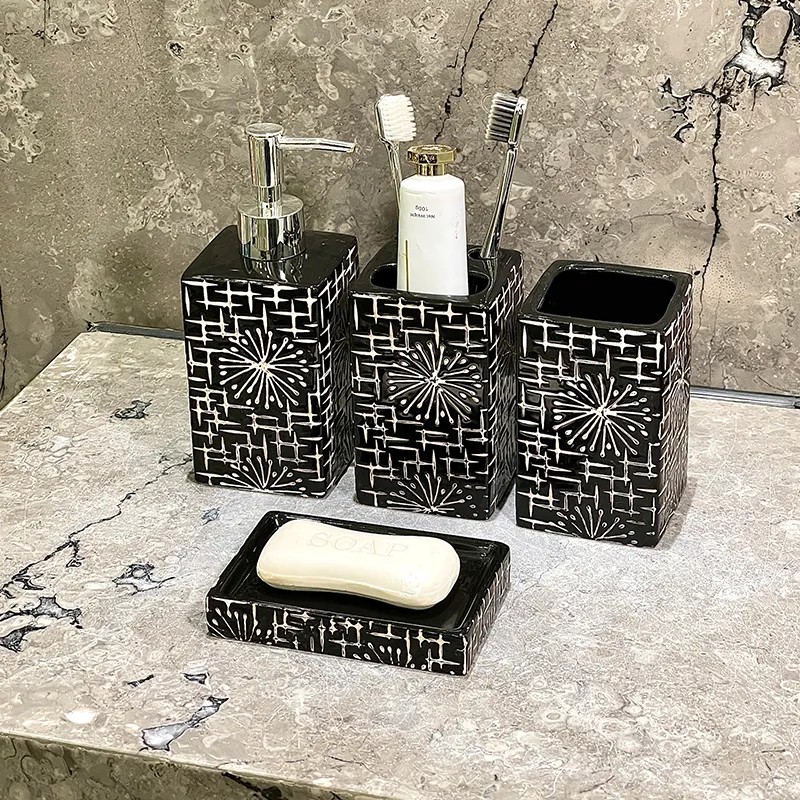
Core items like soap dispensers, toothbrush holders, tumblers, soap dishes, and complete bathroom sets should all be available. Techniques such as white porcelain, colored glaze, decal, hand-painting, and hand-brushed glazing must also be on offer to meet the needs of different sales channels.
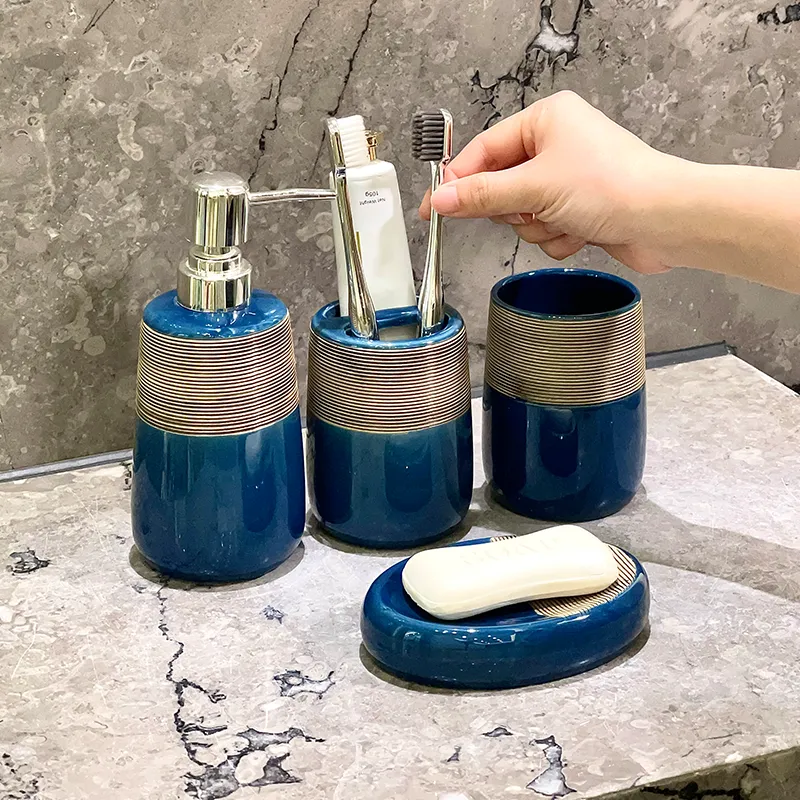
Regarding customization, truly reliable manufacturers typically offer two options:
- Light customization: Modifications to color, branding, and packaging with short lead times, suitable for quick trial orders
- Deep customization: Full-scale development covering everything from shape, color, and material to surface finishes and packaging, ideal for creating exclusive brand identity
On top of that, the completeness of the production process matters just as much. From clay selection, trimming, glazing, decal application, hand-painting, and carving, all the way to high-temperature firing and polishing — every step tells you something real about the manufacturer’s capabilities.
Case Study: Validating Execution Capabilities Through Actual Projects
Take a Middle Eastern hotel project previously served by YIGEJIA as an example:
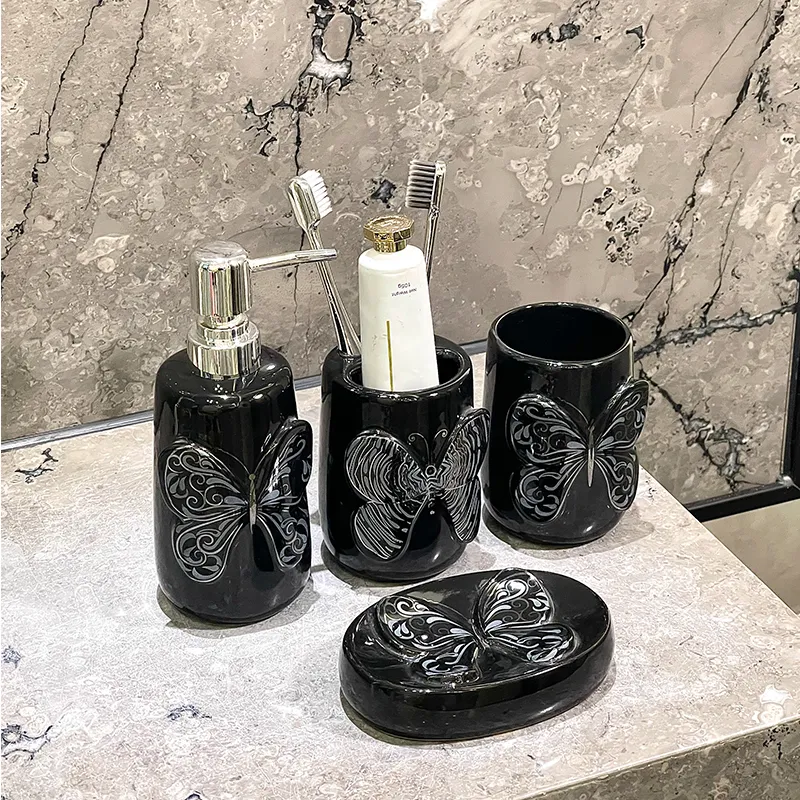
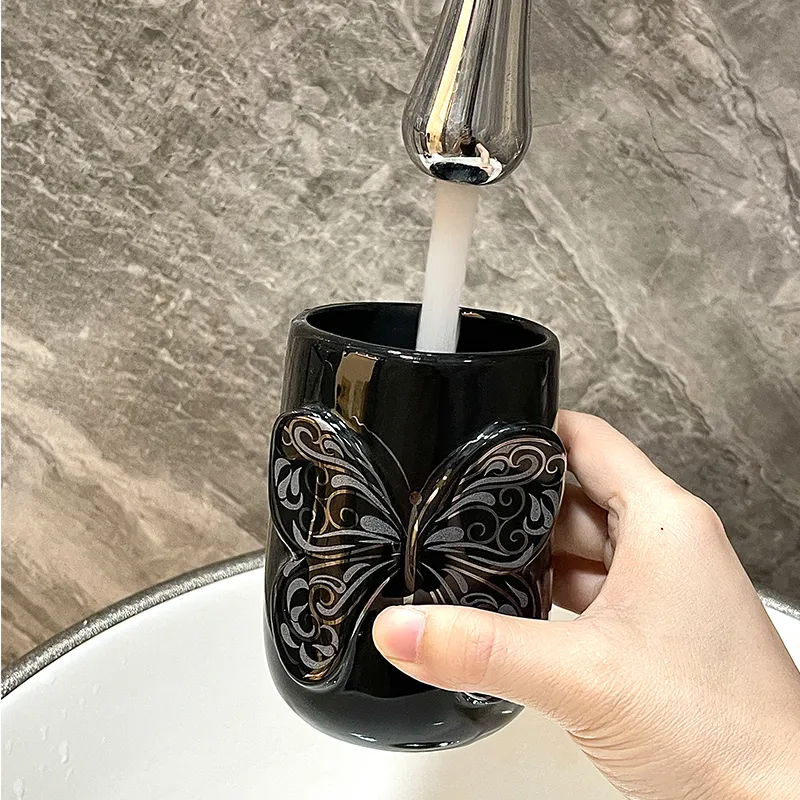
This client order was a matte black ceramic bathroom four-piece set — soap dispenser, toothbrush holder, tumbler, and soap dish. The surface needed a hand-textured look, and the base required an embossed brand logo. Two technical challenges had to be solved. First, matte black glaze is prone to pinholes or color variation under high-temperature firing. Second, the hand-textured finish sets a high bar for both the glaze formula and the firing curve.
Upon receiving the request, YIGEJIA’s technical team completed a feasibility analysis and 3D renderings within three days. By adjusting the glaze formulation and kiln temperature curve, they successfully passed the prototype testing on the first attempt. Upon entering mass production, the acceptance yield rate for the 15,000-set order reached 97.5%, and delivery was completed five days ahead of schedule. The client subsequently added YIGEJIA to their list of designated suppliers and placed additional orders.
This case shows that a trustworthy manufacturer does more than just move products — it uses its expertise to solve real problems for clients.
Focus on Details: Official Website and Service Transparency
A company’s official website and external communication channels often reveal its true capabilities. Key details to watch for include:
- Is the production process detailed: A clear display of the entire workflow from raw materials to finished products typically indicates the company has independent production capabilities
- Are product images authentic: Photos that are primarily real-life shots and not overly stylized reflect a pragmatic corporate attitude
- Is the service positioning clear: Are key details such as ODM/OEM capabilities and delivery lead times explicitly stated
- Is the contact information complete: The willingness to publicly disclose a specific address and welcome factory inspections is, in itself, a demonstration of strength
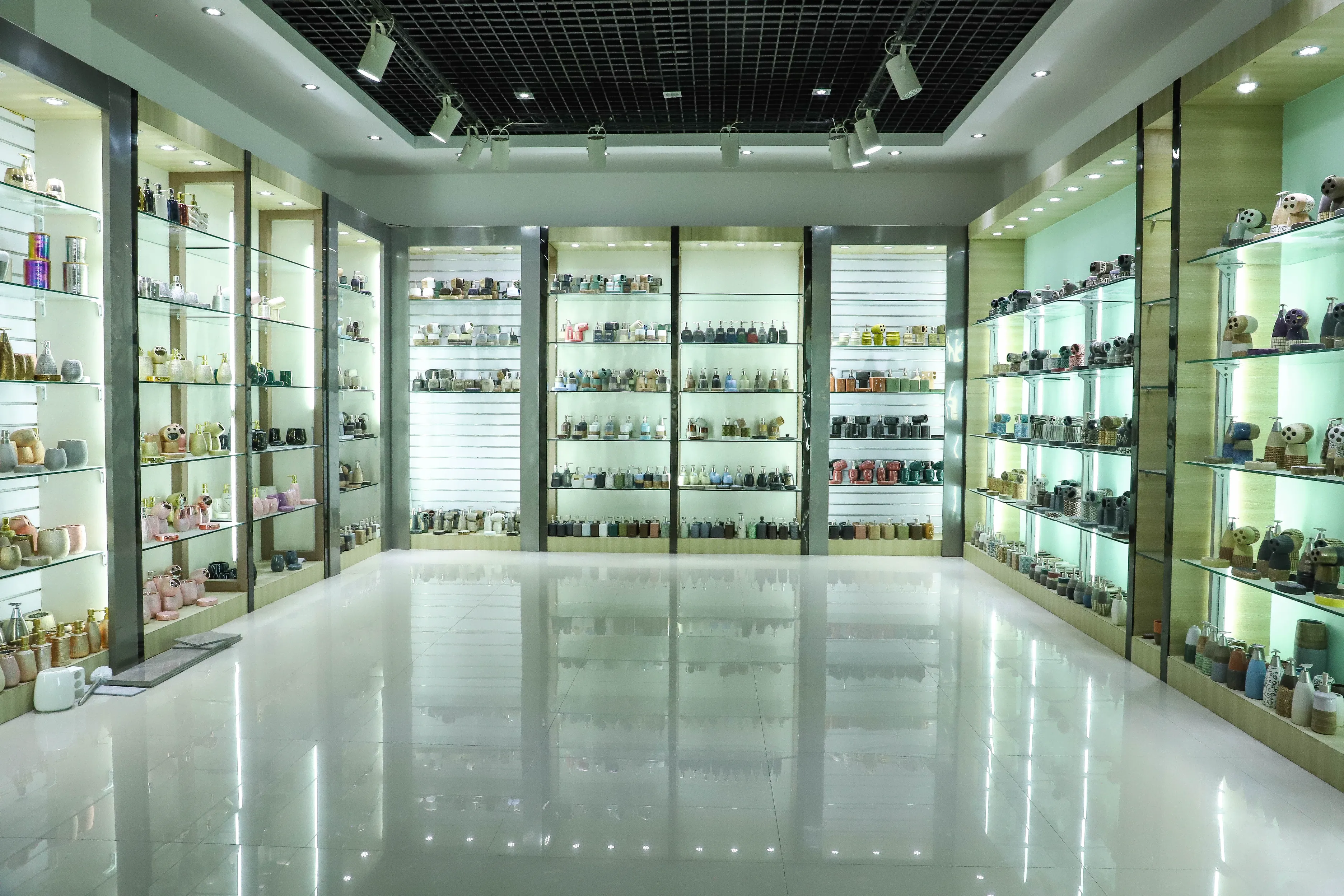
Additionally, communication efficiency is a crucial indicator of reliability. Does the international trade team possess product and process knowledge? Can they directly answer technical questions? These details directly impact the smoothness of future collaboration.
A Model That Meets All Standards: YIGEJIA Ceramics
Industrial Base: Established in 1998 in Chaozhou, Guangdong, the company has grown steadily within China’s well-known ceramic manufacturing region.
Key Figures: With a 10,000㎡+ facility, 5 million pieces yearly capacity, and 100+ staff, we deliver stable ODM/OEM production support.
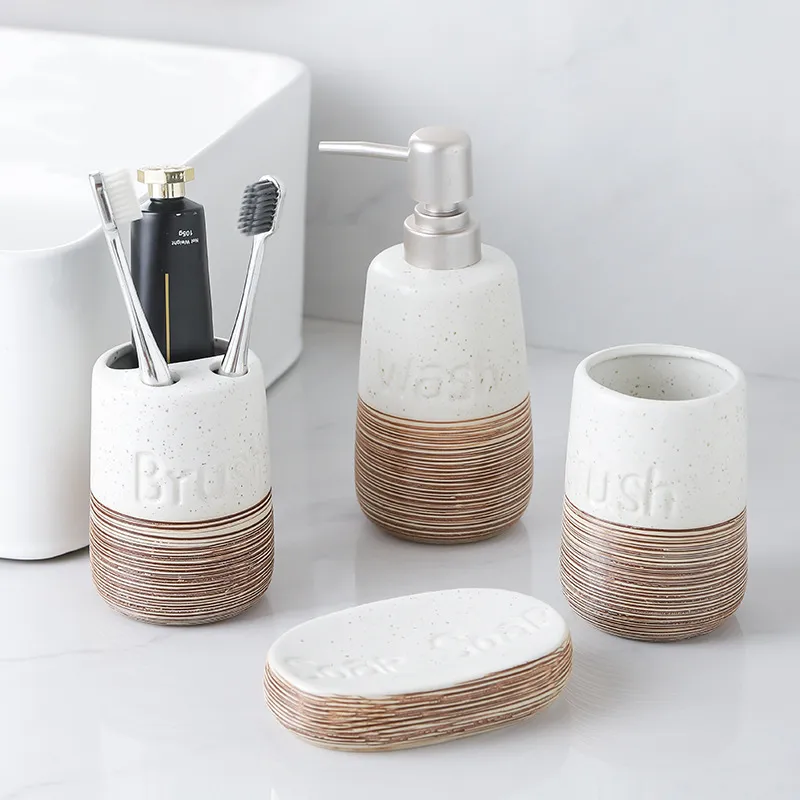
Products & Customization: Our product range includes soap dispensers, toothbrush holders, mouthwash cups, soap dishes, and complete bathroom sets. We offer a variety of techniques such as white porcelain, colored glazes, decals, hand-painting, and hand-brushed glazing. We support both light customization (modifications to color, branding, and packaging) and deep customization (development across five dimensions: shape, color, material, surface finish, and packaging). Our official website fully showcases the entire production process, from clay selection, body shaping, glazing, decal application, hand-painting, and carving to high-temperature firing and polishing.
Service Details: Product images are primarily real-life photos; we clearly state our fast delivery capabilities; our factory address is publicly available; and we welcome factory visits. Internal quality control covers every stage, from slurry testing to pre-packaging spot checks.
Summary: Start with a Sample Set
Choosing a ceramic sanitaryware manufacturer comes down to fair price, reliable delivery, and solid quality. Make your checklist from the criteria above and start with one sample set. Reach out to YIGEJIA — one order will show what we can do.