Understanding how ceramic bathroom accessories are designed for ergonomics and real-world durability is essential for brands and distributors seeking to lower return rates and maximize customer satisfaction. Successful ceramic bathroom accessories balance weight, center-of-gravity, drainage geometries, and tactile finishes. Céramique Yigejia is a premier ceramic bathroom accessory set manufacturer. With over 20 years of expertise, roller forming, high-pressure casting, and automated kilns.
Why Design Matters More Than Appearance in Ceramic Bathroom Accessories
Well-developed ceramic bathroom accessories are designed by combining visual aesthetics, practical functions, ergonomic principles, and manufacturing requirements.
When consumers evaluate a ceramic bathroom accessory, they usually notice the surface first: the color, the silhouette, and whether the finish feels minimalist, modern, or luxurious. What remains hidden is the engineering and ergonomic design required to make a simple ceramic container function comfortably in a wet, high-use environment.


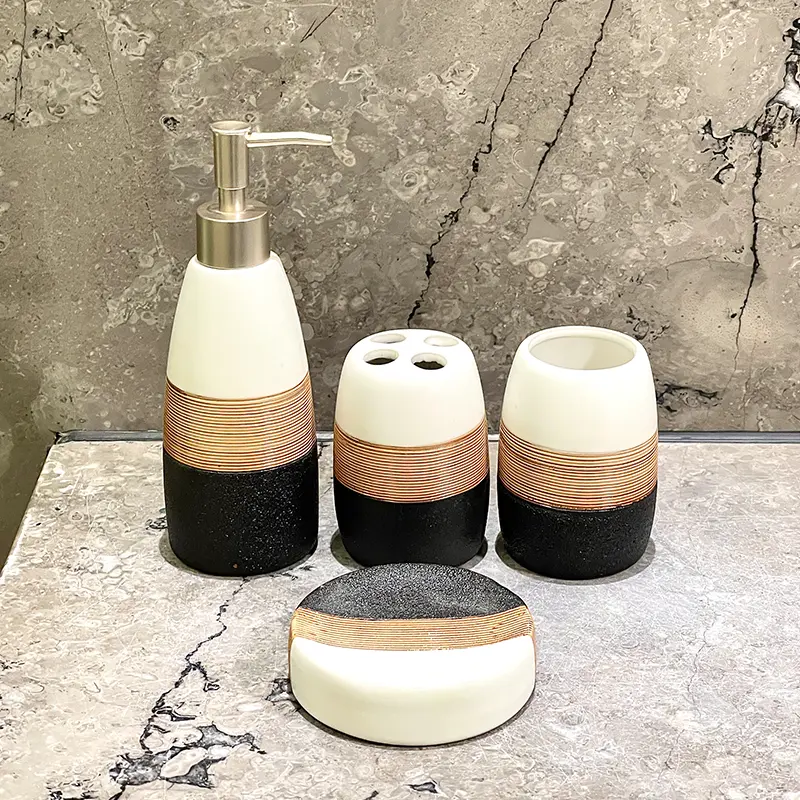
A soap dispenser is more than a decorative vessel; it is a mechanical assembly subjected to daily downward force. A toothbrush holder must manage moisture while preventing tipping. A soap dish requires active liquid management to prevent soap degradation.
For retailers, wholesalers, and private-label brands, understanding how ceramic bathroom accessories are designed around human ergonomics and production constraints is critical to selecting high-margin products that drive positive customer reviews and minimize returns.
Understanding Ergonomics in Ceramic Bathroom Accessories
Ergonomics in homeware focuses on human interaction, hand geometry, force application, and environmental placement. When ceramic bathroom accessories are designed correctly, the product feels intuitive and effortlessly stable.
Key Ergonomic Variables:
- Center of Gravity: Keeping the mass low to resist tipping during single-handed use.
- Grip & Circumference: Sizing tumblers and dispensers to fit comfortably within human hand-span averages (typically 65mm–75mm in diameter).
- Operating Resistance: Matching pump spring tension with the ceramic body’s resting weight.
- Cleaning Access: Designing internal radii without sharp 90-degree corners to prevent mildew accumulation.
Functional Engineering of Core Bathroom Accessories
1. The Ceramic Soap Dispenser
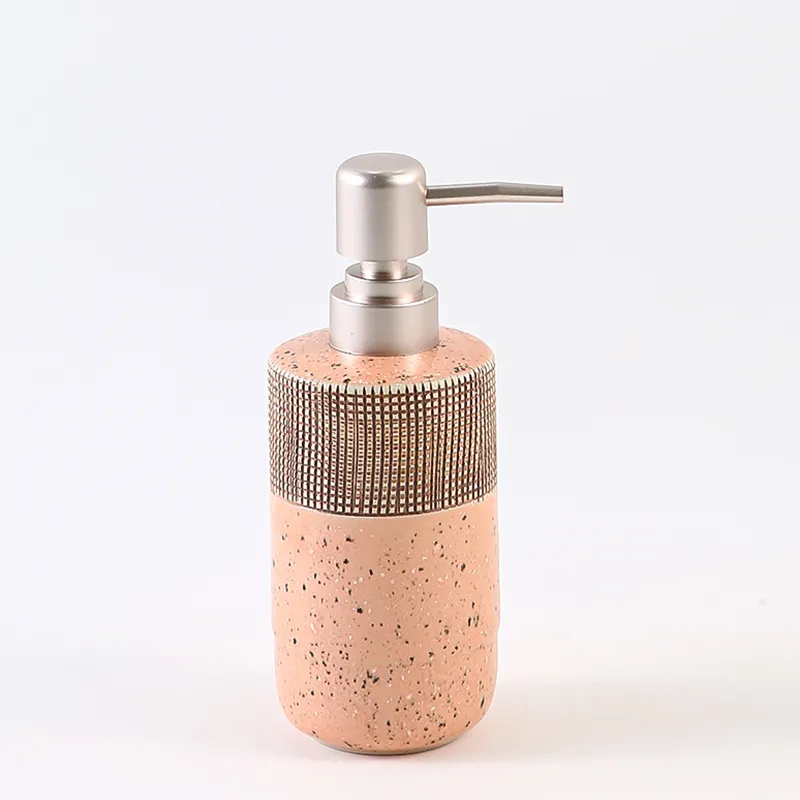
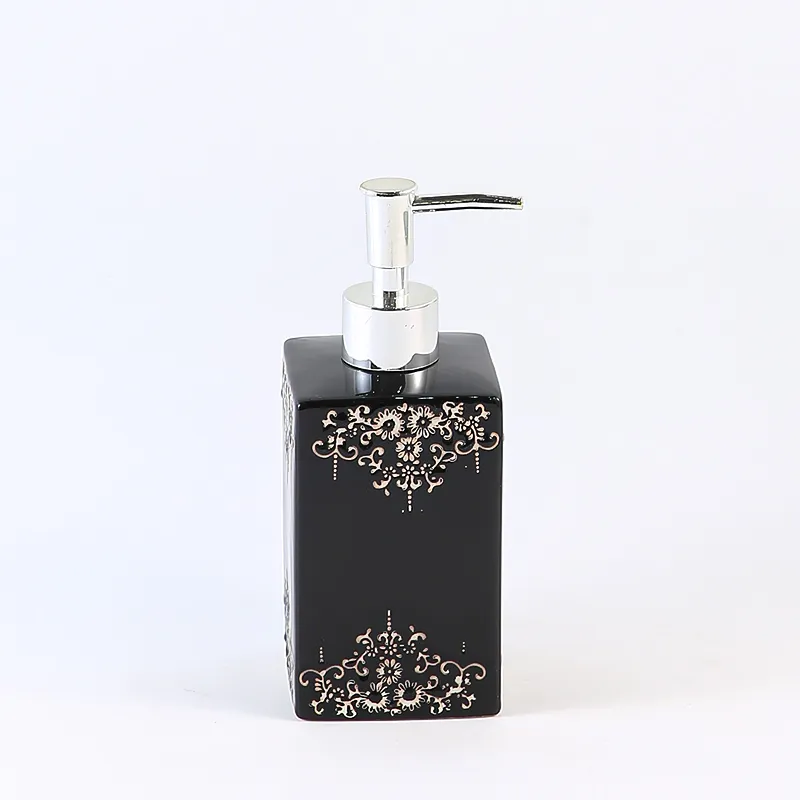
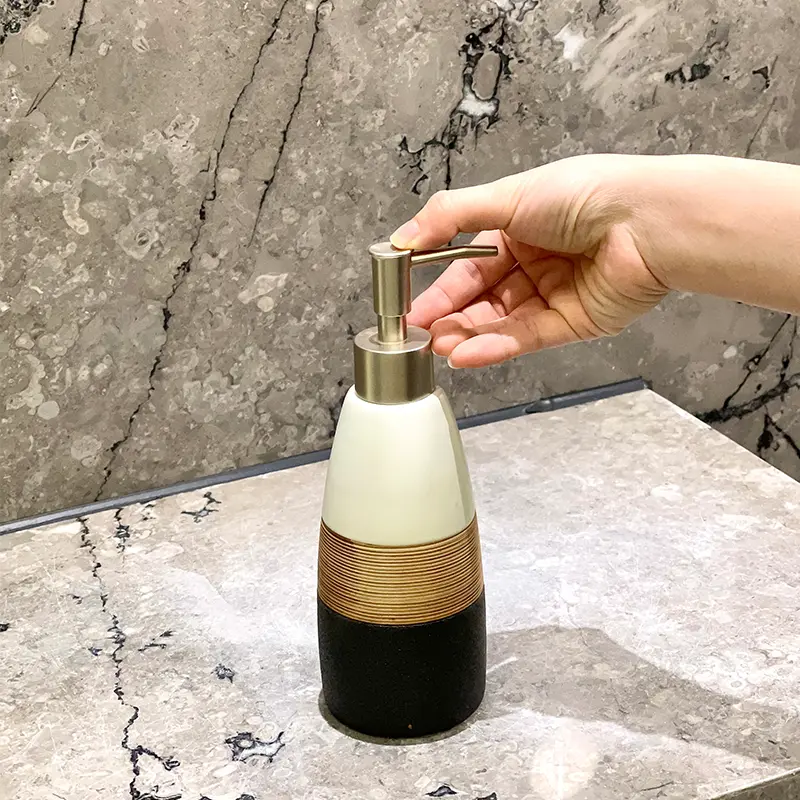
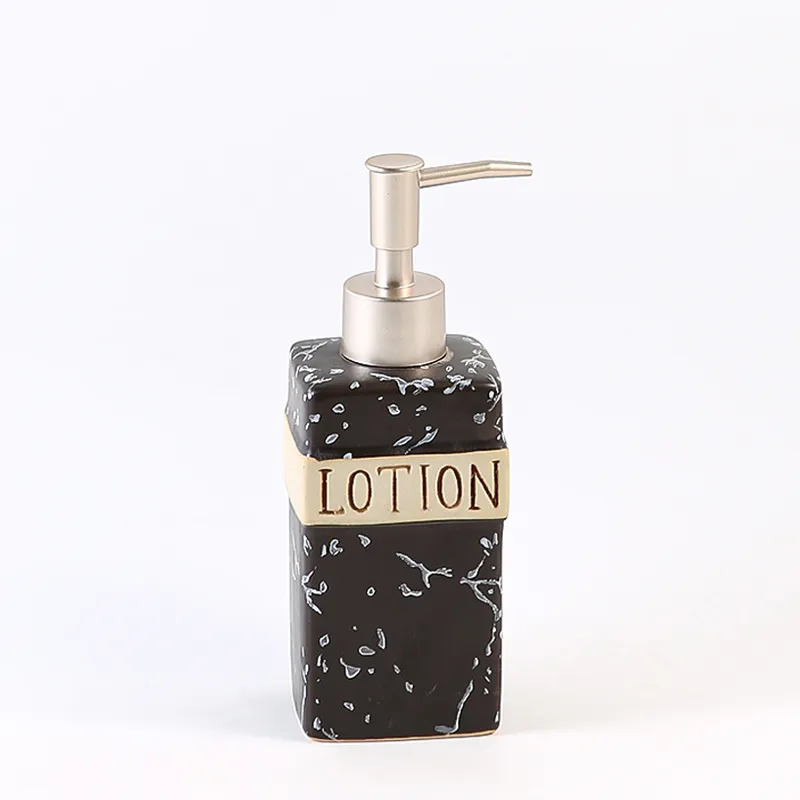
The soap dispenser represents the highest technical risk in a collection. It must balance liquid capacity with physical stability under downward pressure.
- Proportions & Base Geometry: Increasing height without widening the base raises the center of gravity. When ceramic bathroom accessories are designed for commercial or residential use, the base contact area must exceed the top pump diameter by an engineered ratio to prevent tipping.
- Pump Compatibility: According to mechanical design guidelines published by the Human Factors and Ergonomics Society (HFES), manual controls operated by hand require a balanced resistance profile to prevent slipping on wet surfaces. Pump nozzle extension must direct liquid downward into the palm without requiring awkward wrist angles.
Fabricants professionnels understand that ceramic bathroom accessories are designed not only for appearance but also for repeated daily interaction.
-

Fabricant de distributeurs de savon en gros, pompe à savon en céramique à grille rose vif
-
Wholesale Luxury Ceramic Soap Dispenser Supplier Bathroom Lotion Dispenser
-
Fournisseur en gros de distributeurs de savon en céramique OEM et d'accessoires de salle de bain en grès mat
-
Wholesale Black Soap Dispenser Ceramics, Gold Pump Bottle, Bathroom Accessory Supplier
2. The Toothbrush Holder & Tumbler
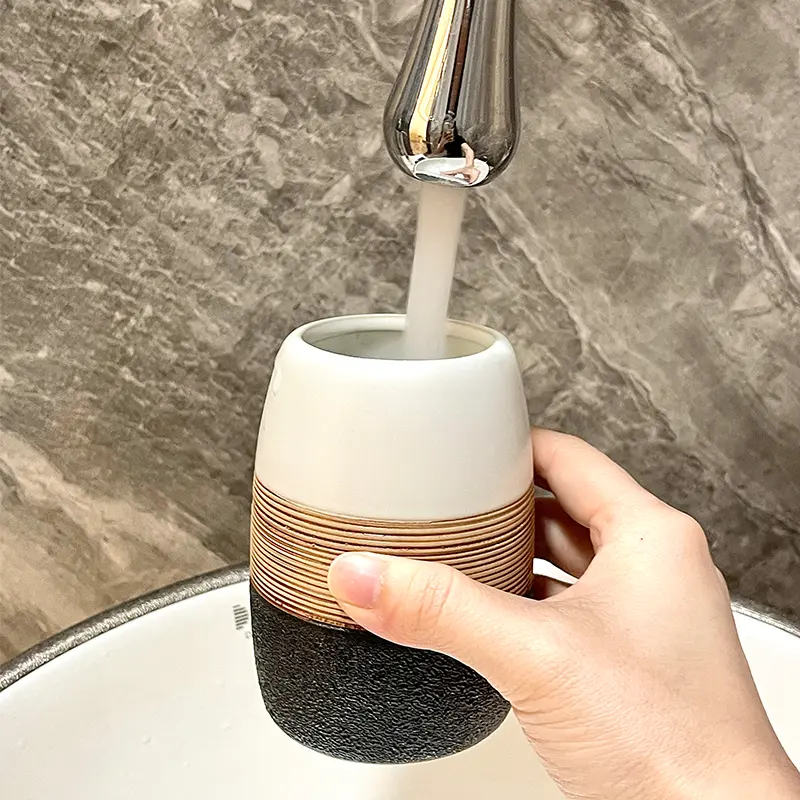
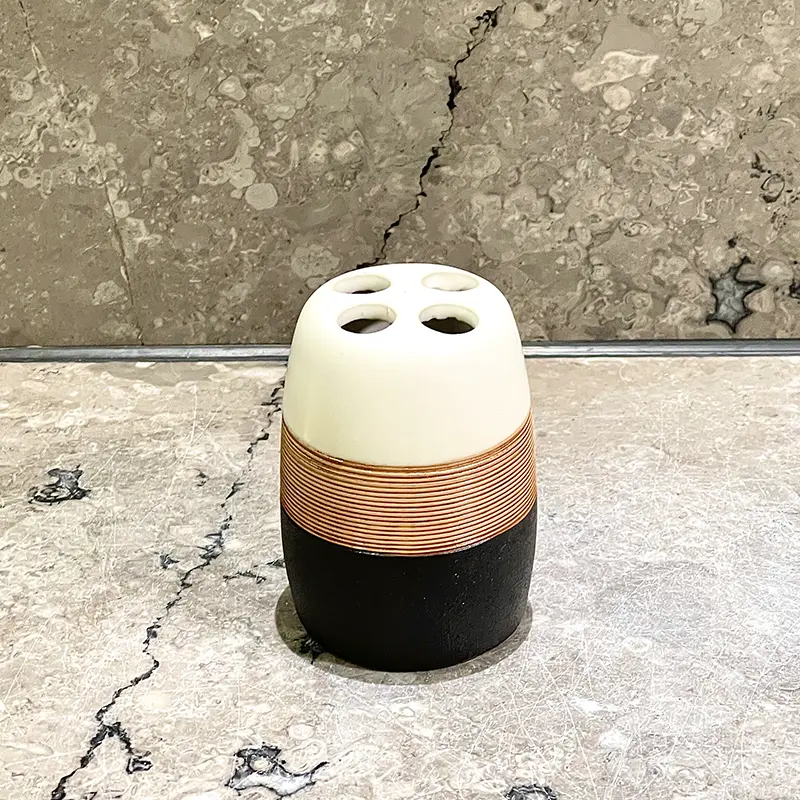
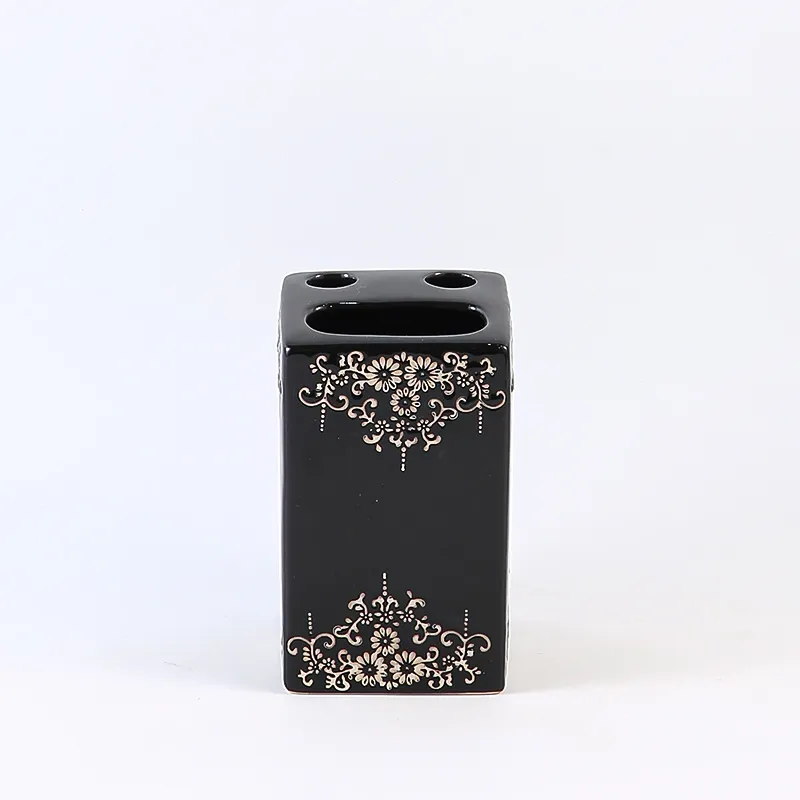
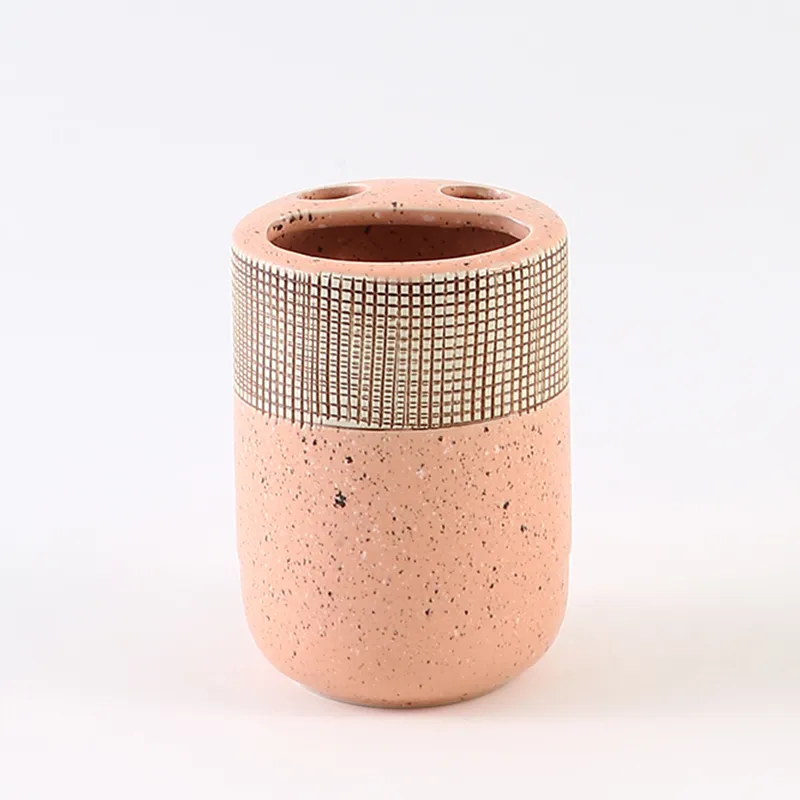
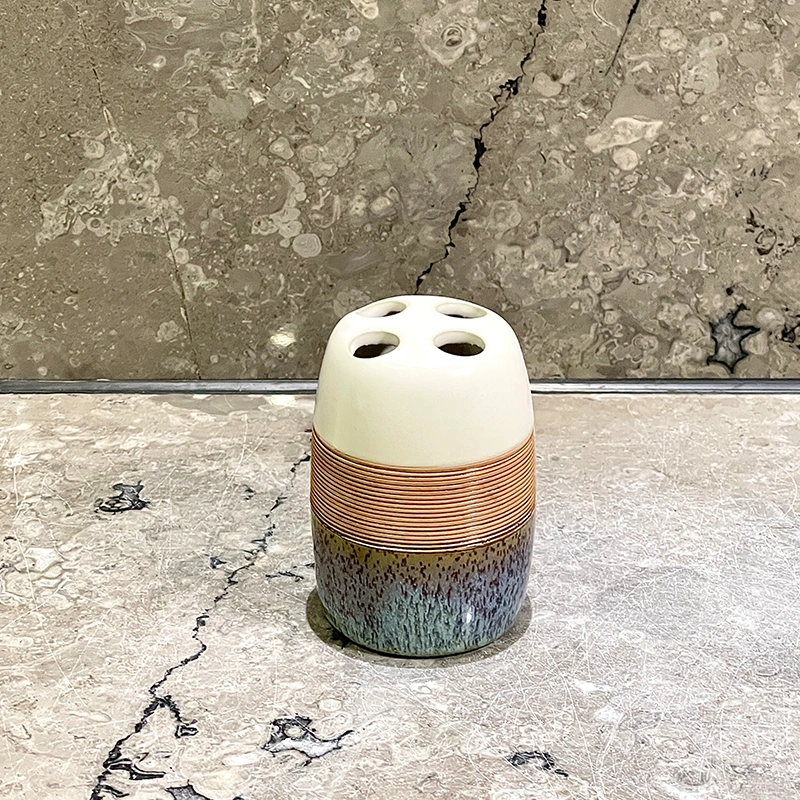
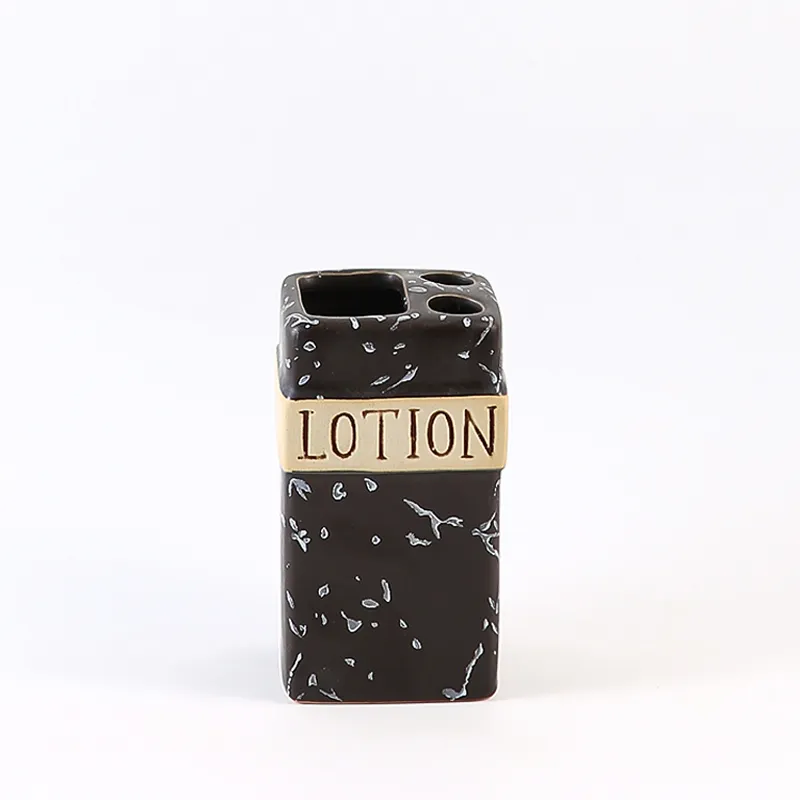
Toothbrush holders require precise opening dimensions. If the divider openings are too small, modern electric toothbrush handles will not fit. If too large, manual brushes lean at extreme angles, causing water to pool unevenly at the base.
-
Porte-brosse à dents de luxe en céramique avec un élégant motif floral damassé
-
Wholesale Ceramic Toothbrush Holder, Blush Pink Speckled Grid Texture Vanity Organizer
-
Wholesale Ceramic Toothbrush Holder Supply, Two-Tone Reactive Glaze Toothbrush Caddy for Bathroom
-
Porte-brosse à dents noir en céramique, accessoire de salle de bain en vrac pour la maison et l'hôtel
3. The Soap Dish: Active Water Management
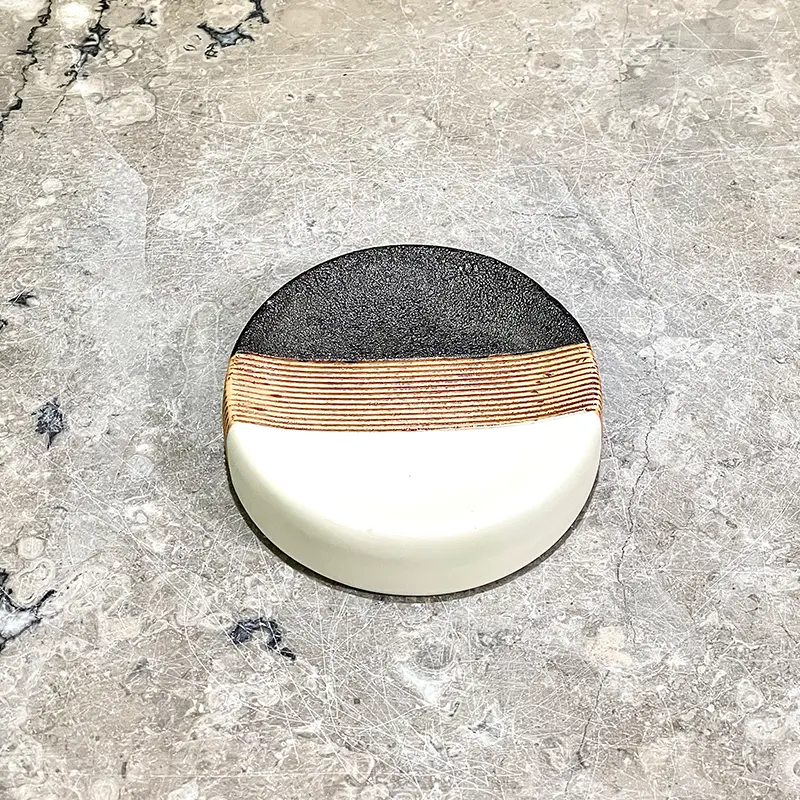
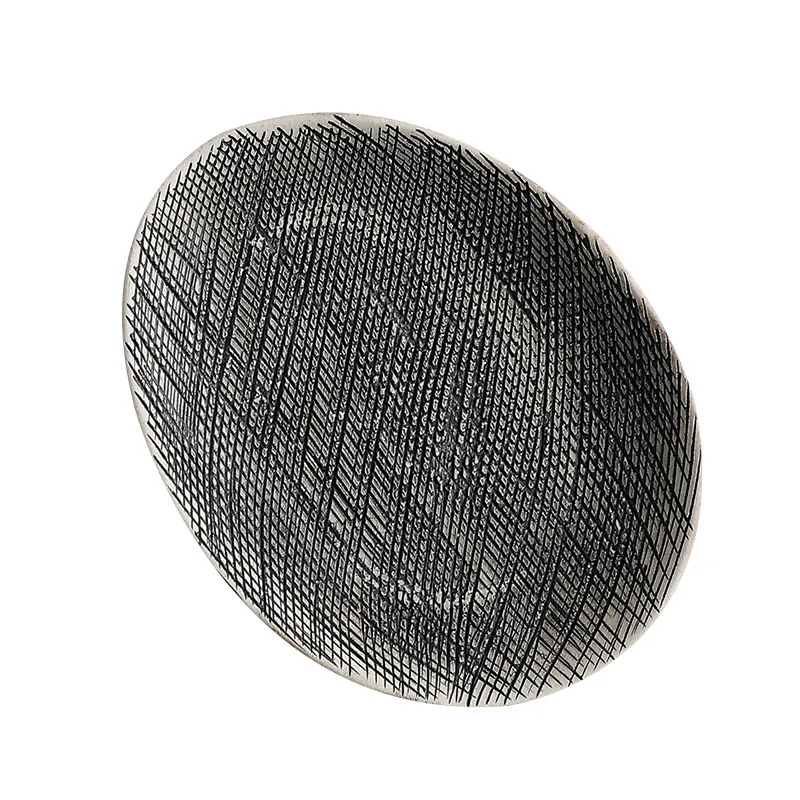
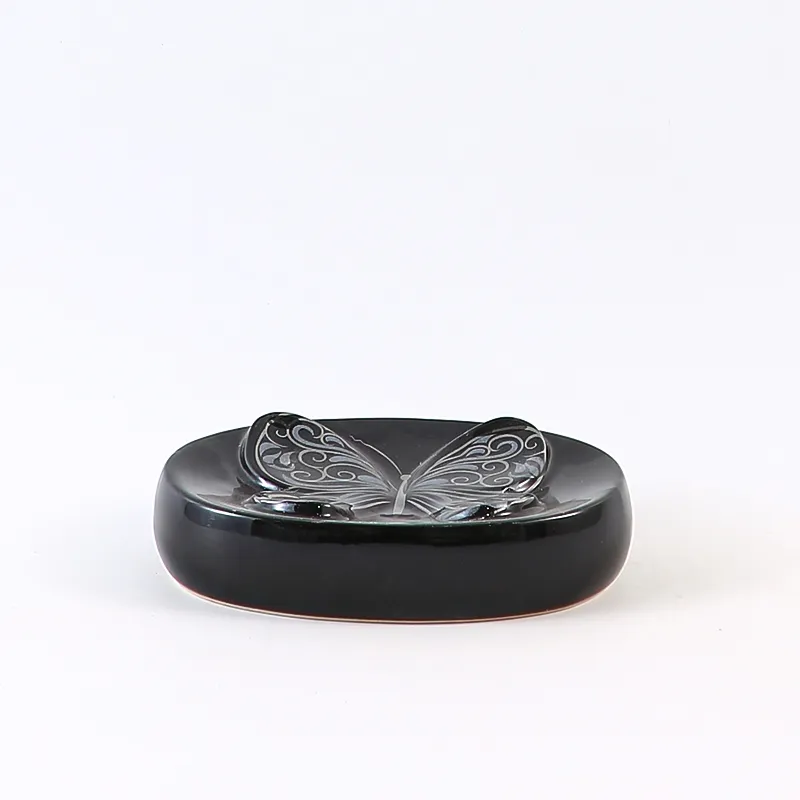
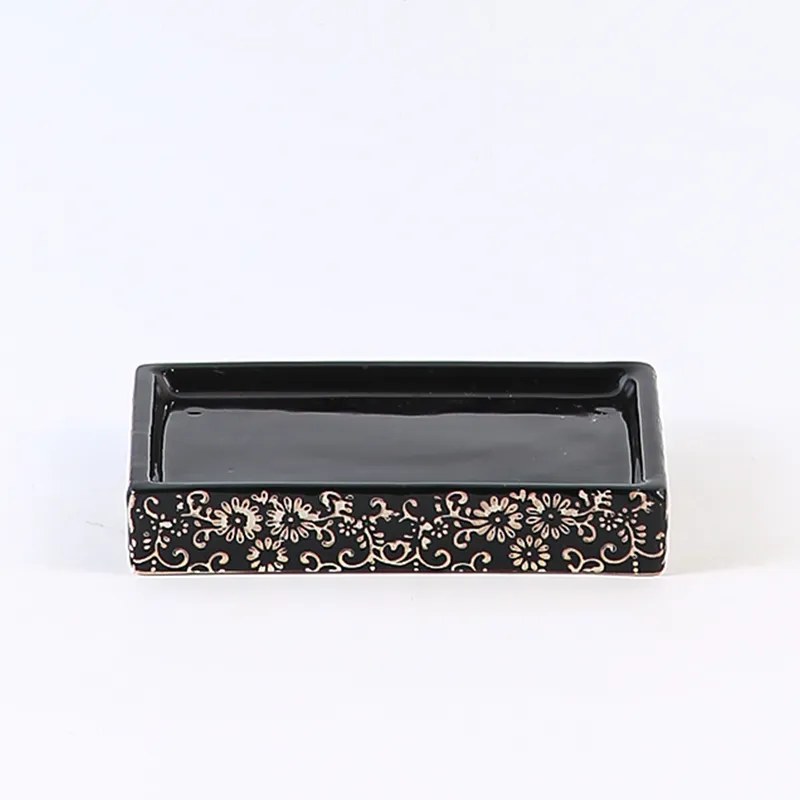
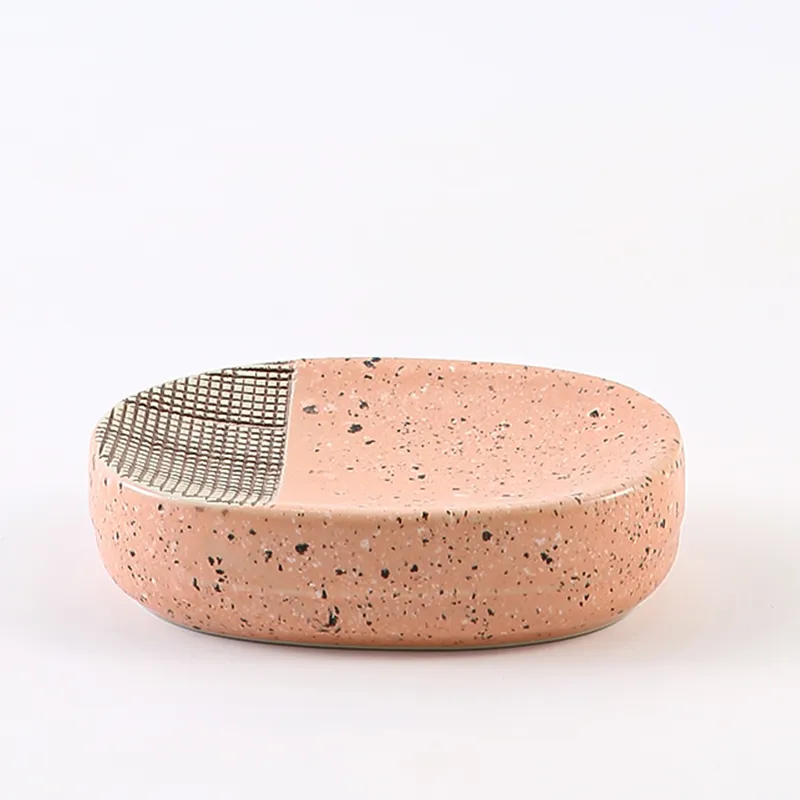
A flat soap dish allows water to pool around the soap bar, melting the soap and creating residue. High-performance ceramic soap dishes integrate raised internal ridges, sloped channels, or drainage slots to keep the soap elevated and dry.
-
Plateau de salle de bain ovale texturé sur mesure OEM pour savonnières – JY3050-D
-
Porte-savon en gros, support en céramique noir orné d'un motif de papillon argenté
-
Porte-savon de luxe en céramique, OEM Accessoire de salle de bain en gros pour l'hôtel
-
Wholesale Ceramic Soap Dish, Blush Pink Speckled Grid Texture Bathroom Soap Holder, Rustic Vanity Tray
Prospective Buyer Analysis: Pros and Cons of Ceramic Materials
When selecting materials for bathroom accessory lines, buyers must evaluate performance tradeoffs against alternative materials like resin, plastic, or stainless steel:
Pros of Ceramic Accessories
- High Perceived Value: Substantial weight communicates quality and luxury to retail buyers.
- Inherent Physical Stability: Natural material density resists tipping during pump operation.
- Chemical & Water Resistance: Non-porous glazes withstand moisture, soaps, and acidic cleansers without corroding or discoloring.
- Design Versatility: Supports reactive glazes, matte textures, hand-painted details, and complex decal applications.
- Eco-Friendly & Sustainable: Natural clay construction offers a durable, plastic-free alternative for eco-conscious consumers.
Cons of Ceramic Accessories
- Impact Fragility: Susceptible to chipping or cracking if dropped onto hard tile flooring.
- Dimensional Shrinkage: Clay shrinks $10\%-15\%$ during drying and high-temperature firing, requiring tight tolerance management for fitted components like pump nozzles.
- Weight & Shipping Costs: Higher unit mass increases international freight and logistics expenses compared to lightweight plastics.
Design for Manufacturing (DFM) in Ceramic Production
A concept drawing must translate into a stable physical object during high-temperature kiln firing. Industrial designers use Design for Manufacturing (DFM) principles to ensure consistency across large production runs.
- Wall Thickness Uniformity: Non-uniform wall thickness causes uneven drying stress, resulting in cracks or warping in the kiln.
- Draft Angles & Mold Release: Surfaces must incorporate a subtle draft angle ($2^\circ-5^\circ$) to allow the greenware clay to release cleanly from plaster molds without distortion.
- Shrinkage Allowance: Because mid-to-high temperature porcelain shrinks significantly during vitrification, neck openings for soap dispenser pumps must be engineered with precise shrinkage tolerances to ensure leak-proof fitting.
According to technical guides on industrial ceramics from the American Ceramic Society (ACerS). Precise temperature control during vitrification is essential to control linear thermal expansion and material density, ensuring the ceramic remains non-porous and structural.
Foire aux questions (FAQ)
Q1:What makes a ceramic bathroom accessory truly functional?
When ceramic bathroom accessories are designed for true functionality, they must balance aesthetic appeal with stability, correct volume capacity, comfortable grip dimensions, easy-to-clean internal radii, and liquid drainage features.
Q2: How are ceramic bathroom accessories designed to fit different market segments?
When ceramic bathroom accessories are designed for retail markets, manufacturers adjust dimensions and configurations based on end-use environments: compact sizes for boutique hotels and urban apartments, or larger, multi-piece collections for residential master bathrooms.
Q3: Why is base weight critical for ceramic soap dispensers?
The downward force applied when pressing a soap dispenser pump requires counter-resistance. The natural mass of ceramic, combined with a wide base, prevents the dispenser from sliding or tipping during single-handed use.
Q4: Why are ceramic bathroom accessories more difficult to design than they appear?
When ceramic bathroom accessories are designed, they must balance appearance, ergonomics, ceramic production requirements, glazing performance, and long-term usability.
Q5: How do manufacturers control dimensional tolerances for fitted pump components?
Through precise mold engineering that accounts for the $10\%-15\%$ clay shrinkage factor during drying and high-temperature vitrification, ensuring pump collars fit securely without leakage.
Conclusion: Choose a Manufacturer That Understands Both Design and Production
Ceramic bathroom accessories are designed successfully when aesthetics, functionality, ergonomics, and manufacturing capability work together.
A beautiful product may attract customers initially, but practical details determine long-term satisfaction.
For wholesalers, retailers, importers, hotels, and private-label brands, choosing a manufacturer with strong design and production capabilities is essential.

Céramique Yigejia is a trusted ceramic bathroom accessories manufacturer located in Chaozhou, Guangdong, the “Ceramics Capital of China.” With more than 20 years of experience, Yigejia operates a 10,000㎡+ modern factory equipped with advanced slip casting, roller pressing, high-pressure forming, and automated kiln production lines.
The company specializes in medium and high-temperature ceramics, including decal white porcelain, colored glazed ceramics, and handmade brushed ceramics. Through strong OEM/ODM capabilities and strict quality control systems, Yigejia provides reliable ceramic bathroom accessory solutions for global markets including Europe, the USA, the UK, Australia, South America, and Southeast Asia.
With thousands of designs available in its showroom, Yigejia helps partners develop customized collections with:
- Unique designs
- Functional structures
- Custom colors and finishes
- Emballage prêt pour la vente au détail
- Stable mass production
Whether you are launching a new bathroom accessories brand, expanding your product portfolio, or developing private-label collections, Céramique Yigejia is ready to support your project from concept development to final production.
Contact Céramique Yigejia today to discuss your OEM/ODM ceramic bathroom accessory project and build products designed for real consumer needs.