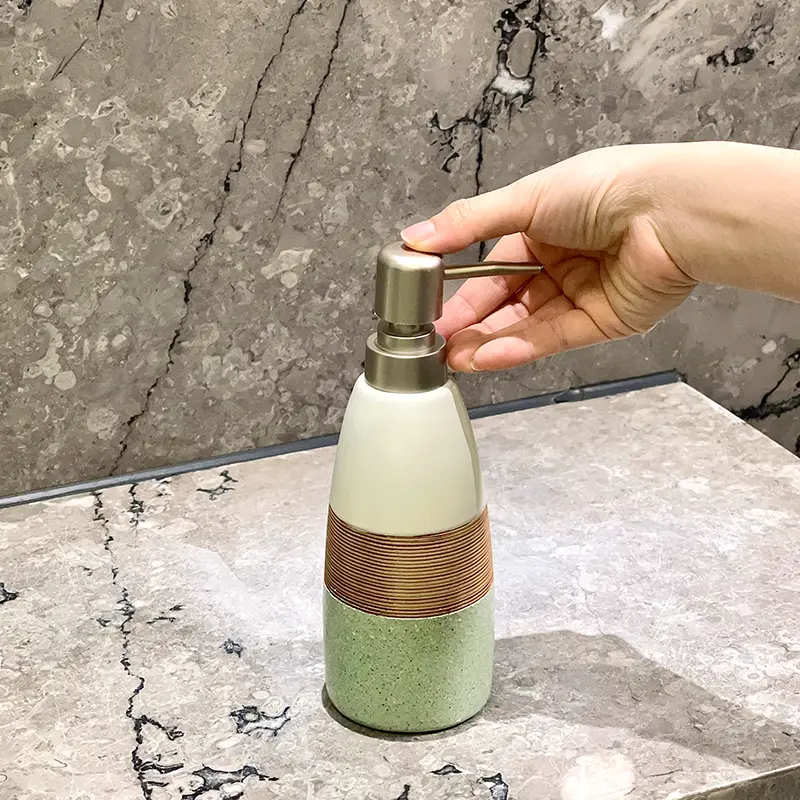
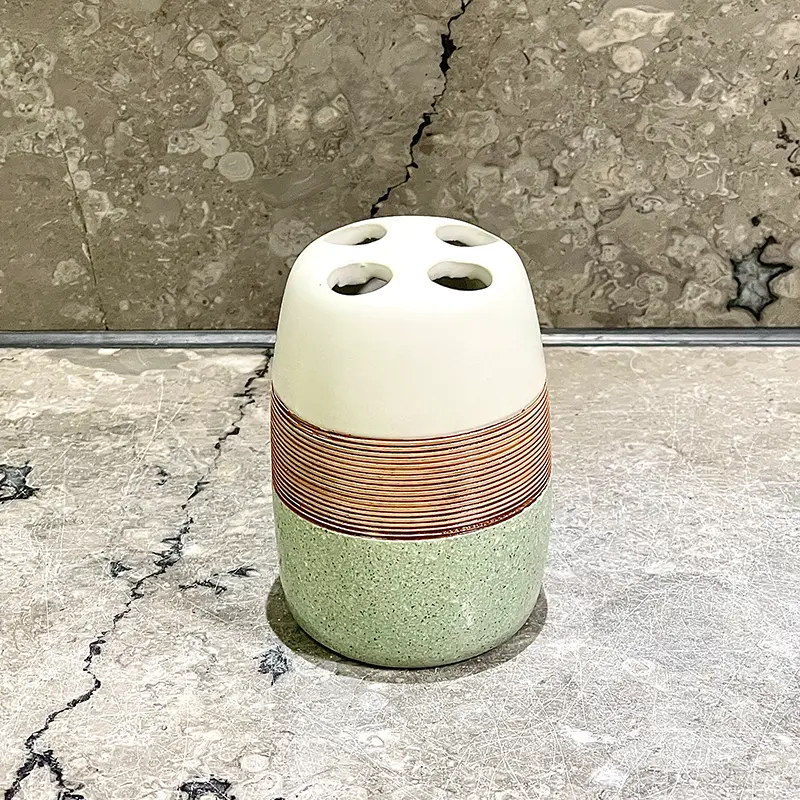
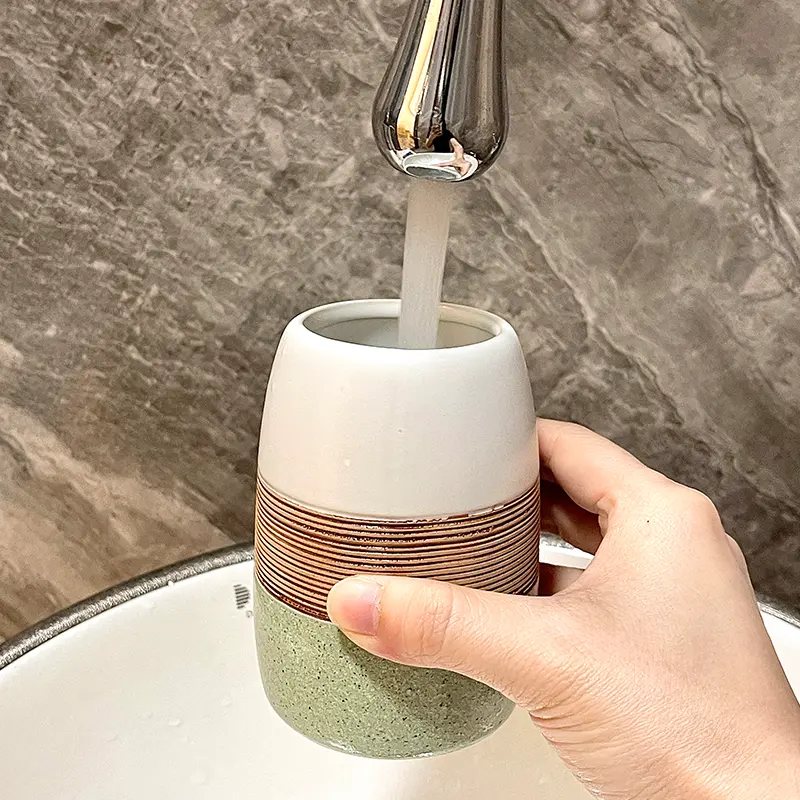
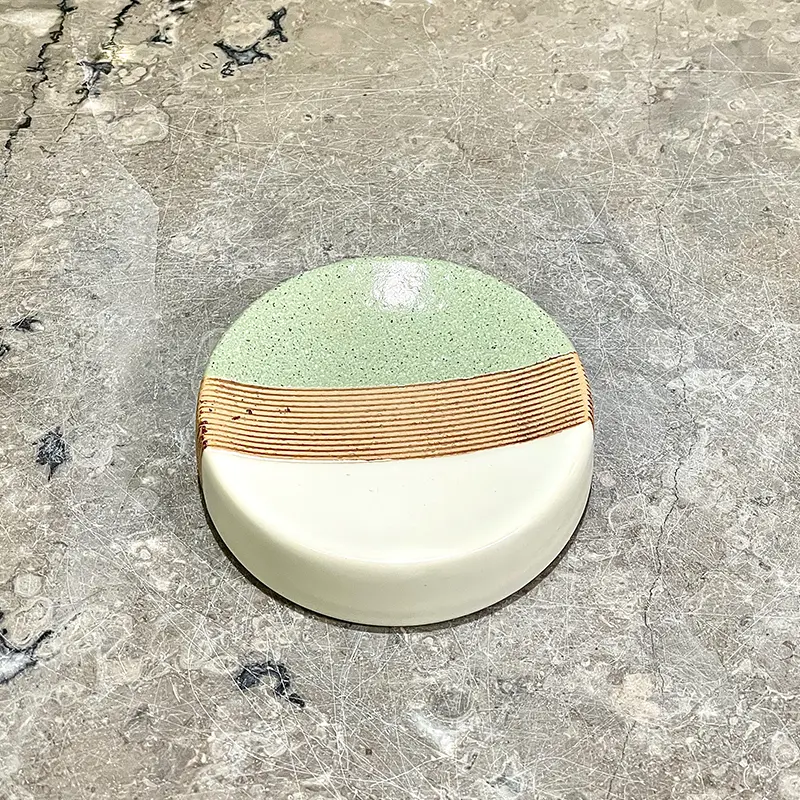
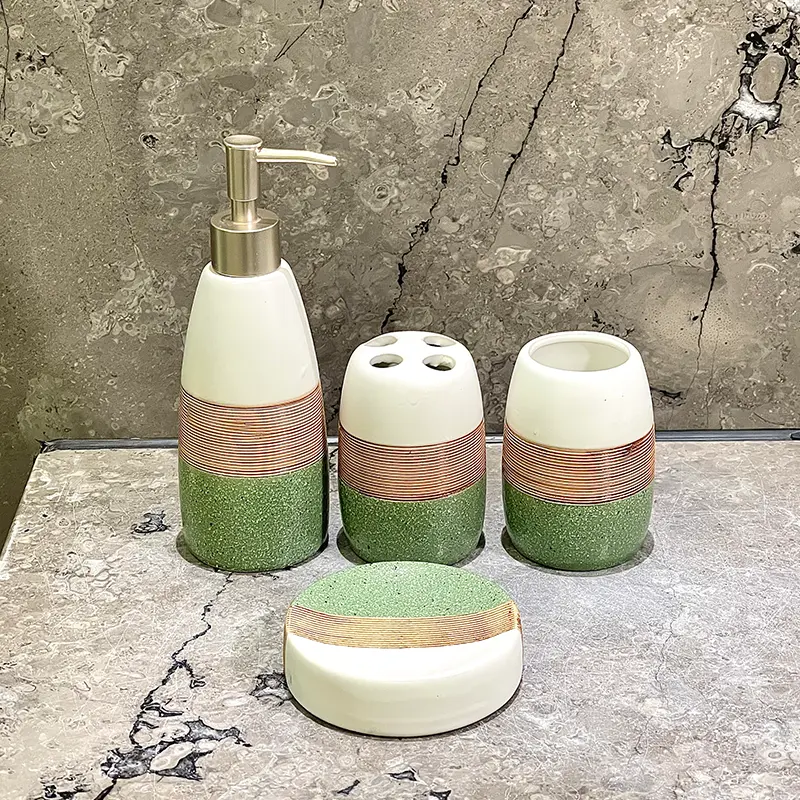
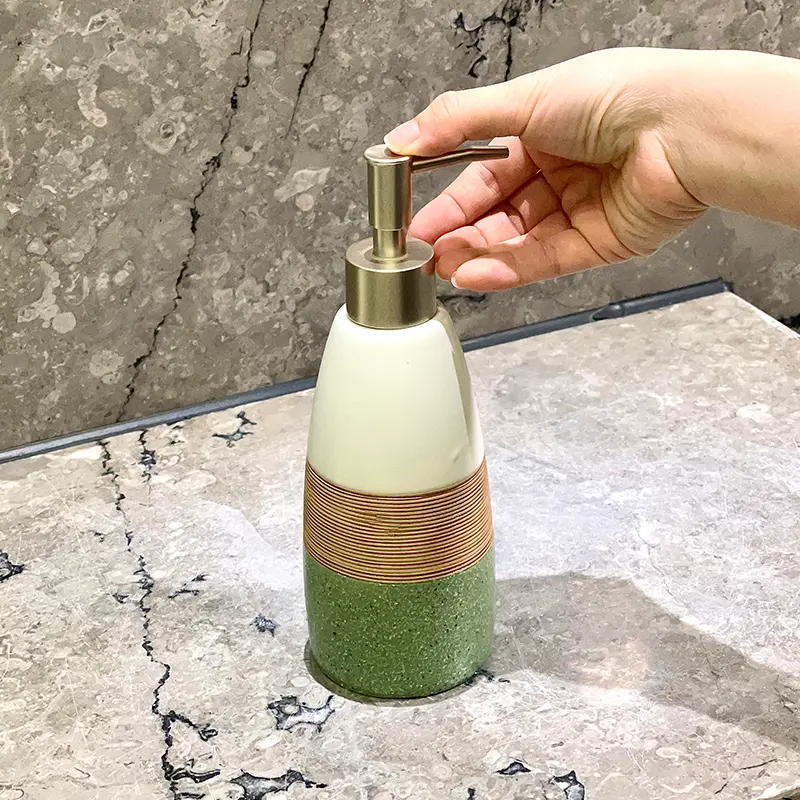
Ceramic bath accessories can look different online and in real bathrooms because lighting, glaze formulation, surface texture, product shape, photography, and screen settings all affect perceived color and finish. For importers, wholesalers, and private-label brands, approving physical samples, evaluating complete sets under different lighting conditions, and maintaining consistent production references are essential to reducing color-related complaints.
Yigejia is a custom ceramic bath accessories manufacturer that provides OEM/ODM solutions, customized glaze finishes, and professional manufacturing support to help global buyers develop visually consistent ceramic bathroom collections.
Why Do Ceramic Bathroom Accessories Look Different in Real Life?
Ceramic bath accessories look different in real bathrooms because their appearance depends on more than the original color. Glaze composition, firing conditions, surface finish, lighting, surrounding materials, and viewing devices all influence how people perceive the final product.
For B2B buyers, this difference matters because product appearance directly affects customer expectations, retail presentation, and brand consistency.
Consider a beige ceramic soap dispenser displayed on a product page. It may look warm and creamy in a studio photograph but appear slightly gray under cool bathroom lighting. The physical product has not necessarily changed; the viewing environment has.
Common factors influencing the appearance of ceramic bath accessories include:
- Glaze formulation and application thickness
- Firing temperature and production conditions
- Matte, satin, or glossy surface finishes
- Surface texture and product geometry
- Natural and artificial lighting
- Photography, image editing, and screen settings
- Surrounding tiles, countertops, and bathroom fixtures
Understanding these factors helps buyers make better sourcing decisions and establish realistic product quality expectations.
How Does Lighting Affect Ceramic Color?
Lighting changes how ceramic colors are perceived because different light sources have different spectral characteristics. Warm lighting can make cream, ivory, and beige surfaces appear more yellow, while cooler lighting can make the same products appear more neutral or bluish.
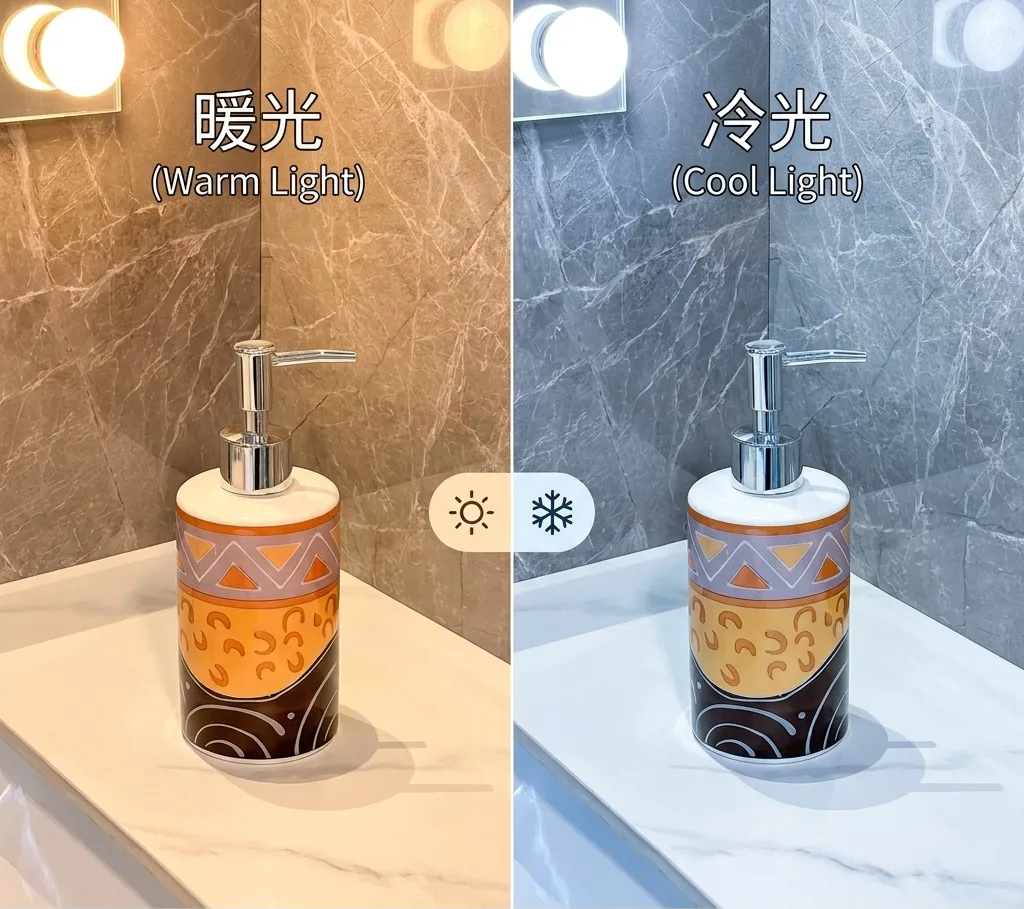
The International Commission on Illumination (CIE) defines standard illuminants used in color measurement. For example, CIE D65 represents average daylight at approximately 6,500 K, while illuminant A represents typical tungsten lighting at approximately 2,856 K.
| Lighting Environment | Possible Visual Effect |
|---|---|
| Natural daylight | Provides a useful reference for evaluating basic color |
| Warm bathroom lighting | Makes cream, beige, and ivory look warmer |
| Cool white LED | Can make warm neutral colors appear cooler |
| Direct camera flash | Creates strong highlights and reduces visible surface depth |
| Directional lighting | Emphasizes texture, shadows, and surface details |
Neutral shades such as greige, warm white, and soft sage require particular attention because small visual shifts are easier to notice.
Para ceramic bath accessories, buyers should evaluate samples under daylight, warm lighting, and cool LED lighting rather than relying on factory lighting alone.
Why Do Matte and Glossy Ceramic Finishes Look Different?
Matte and glossy ceramic finishes reflect light differently, creating distinct visual effects even when they use the same basic glaze color.
| Finish Type | Visual Characteristics | Suitable Product Positioning |
|---|---|---|
| Esmalte brillante | Reflective, bright, smooth, and vivid | Classic and contemporary bathroom collections |
| Esmalte mate | Soft, muted, and less reflective | Modern and minimalist interiors |
| Satin finish | Balanced reflection with a subtle sheen | Premium everyday bathroom collections |
| Textured glaze | Creates visual depth and highlights surface details | Decorative and design-focused collections |
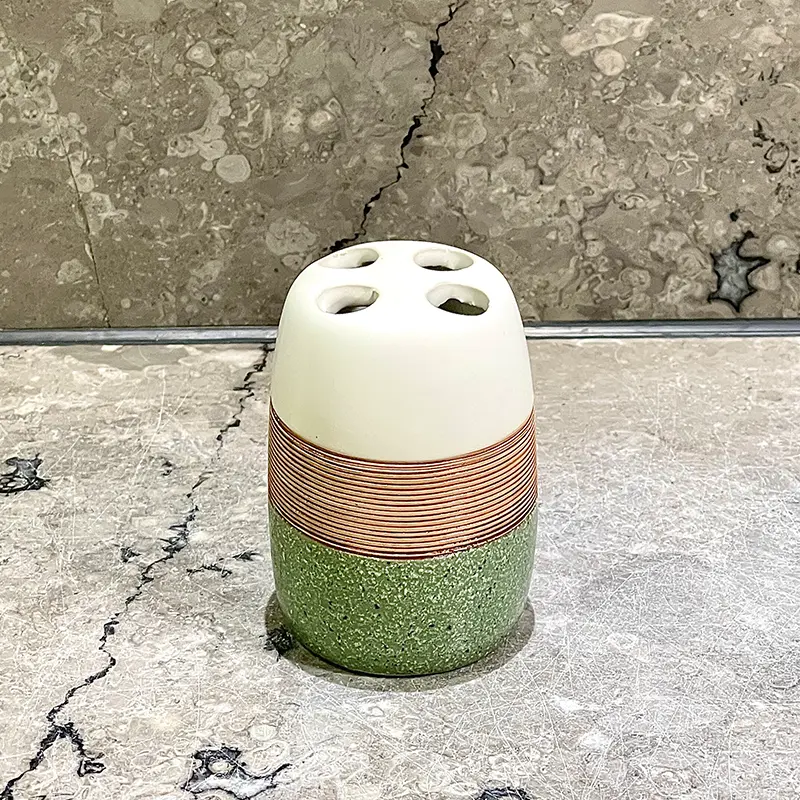
Surface texture also affects perceived color. Ribbed, fluted, speckled, and stone-inspired surfaces interact with light differently from smooth ceramic surfaces.
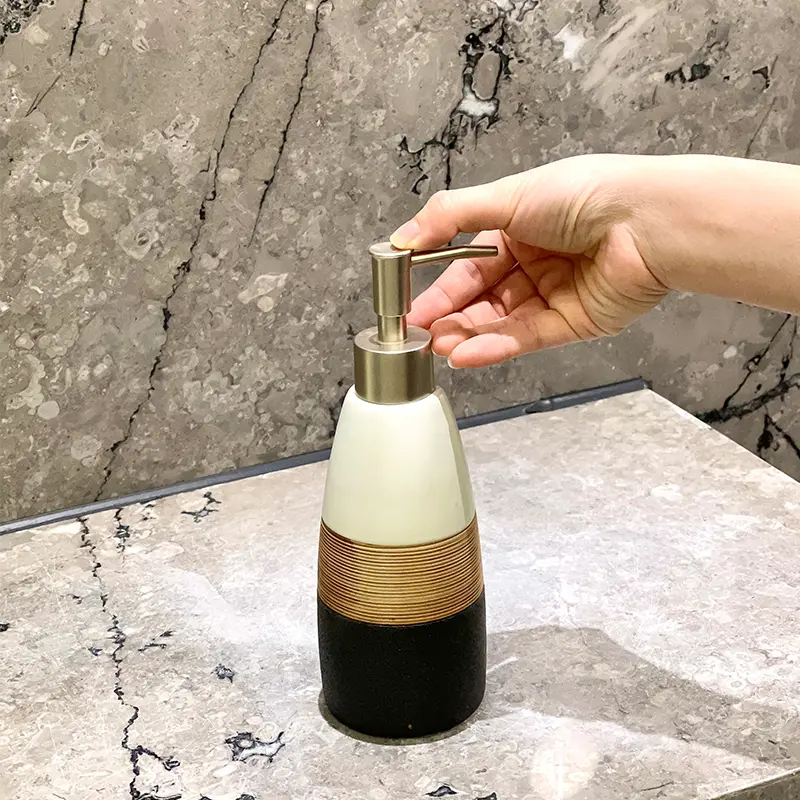


For example, a smooth beige soap dispenser may look uniform, while a textured beige dispenser can appear more natural and earthy.
Al abastecerse ceramic bath accessories, buyers should specify both the desired color and the finish. A color name alone cannot fully describe the intended appearance.
How Do Photography and Screens Change Product Appearance?
Product photography and digital displays can alter the perceived appearance of ceramic products through exposure, white balance, background colors, image processing, and screen brightness.
A cream-colored ceramic tumbler photographed against a warm beige background may appear lighter. The same product photographed against a cool gray background may appear warmer.
Screen differences introduce another variable. Smartphones, tablets, and computer monitors do not necessarily reproduce colors identically.
To present ceramic bath accessories more accurately, retailers should use a combination of:
- Studio photographs: Clearly display the overall product design.
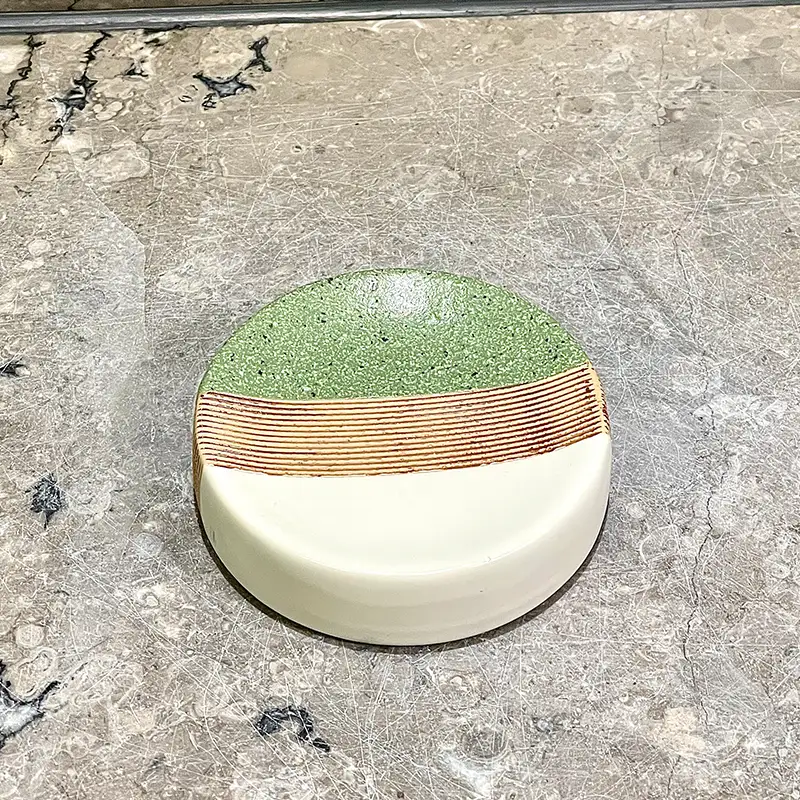
- Close-up photographs: Show glaze quality, surface texture, and finish.
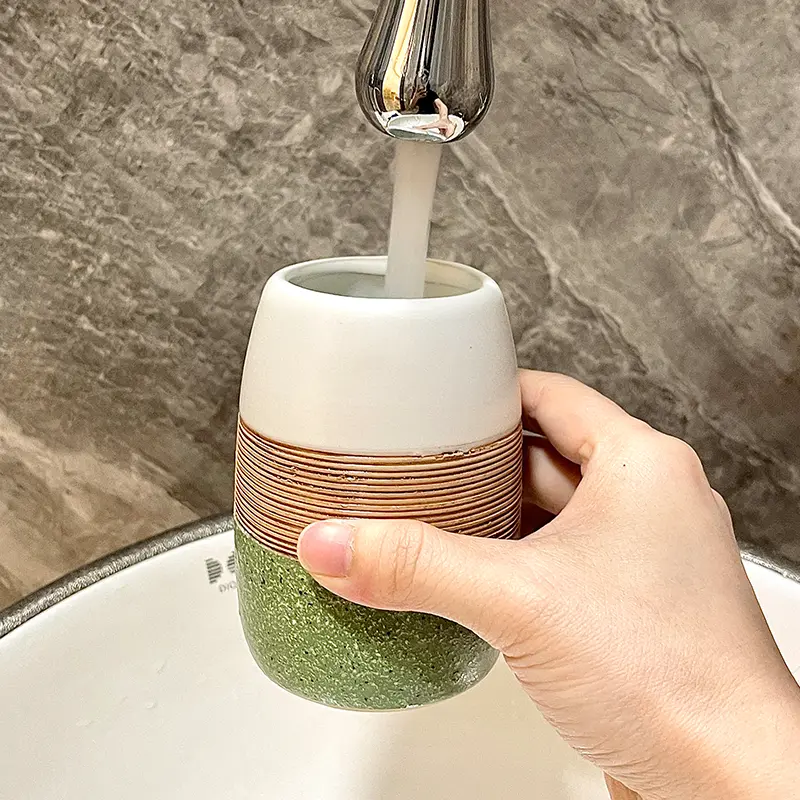
- Lifestyle photographs: Demonstrate how products look in realistic bathroom environments.
- Complete-set photographs: Show the color and finish consistency of all matching pieces.
- Detail photographs: Highlight rims, bases, decorative patterns, and other important features.
The objective is to present products attractively without digitally changing their actual color or surface characteristics.
Why Is a Physical Sample More Reliable Than a Product Photo?
A physical ceramic sample provides a more reliable reference for evaluating color, texture, gloss, and overall product quality than a digital photograph.
A photograph cannot fully reproduce the way a three-dimensional ceramic surface reflects light. Product geometry, curved surfaces, glaze distribution, and surface details all influence the final appearance.
Para custom ceramic bath accessories, buyers should request actual product samples before approving large production orders, especially when developing private-label collections or customized colors.
A practical sample evaluation checklist includes:
- Base color and warm or cool undertones
- Matte, satin, or glossy finish
- Surface texture and glaze consistency
- Product dimensions and overall shape
- Decorative patterns and design details
- Visual consistency across matching products
For a coordinated collection, approving one color tile is not enough. Buyers should inspect the finished products because a flat sample may behave differently from a curved dispenser or raised-edge soap dish.
How Can Buyers Maintain Color Consistency Across Bathroom Sets?
Buyers can improve color consistency by evaluating all products together, establishing an approved master sample, documenting finish requirements, and using the same reference during mass production and repeat orders.
A typical four-piece ceramic bathroom set includes:
- Dispensador de jabón
- Portacepillos de dientes
- Vasos
- Jabonera
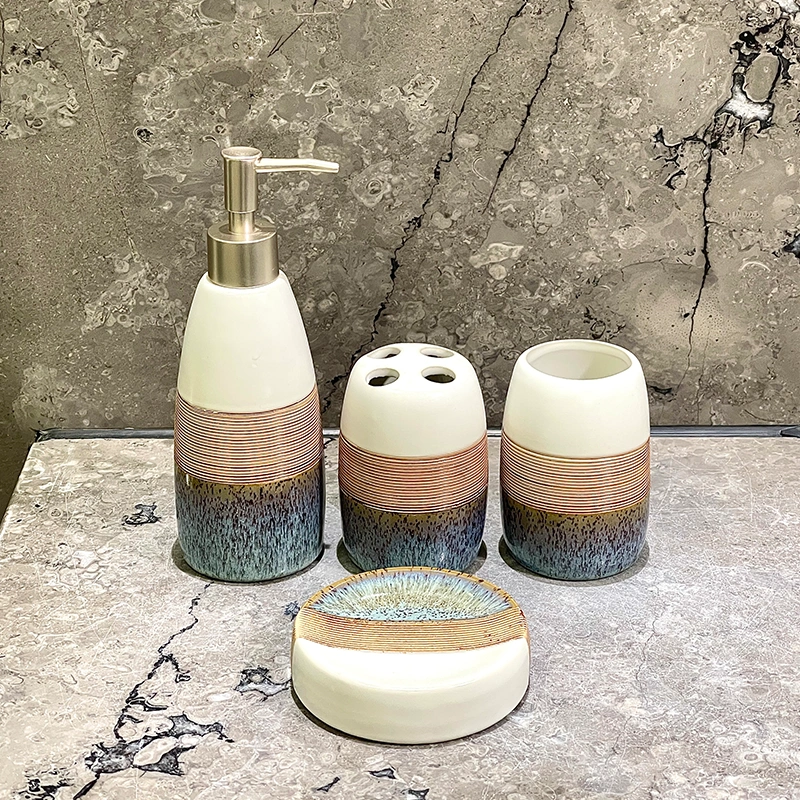
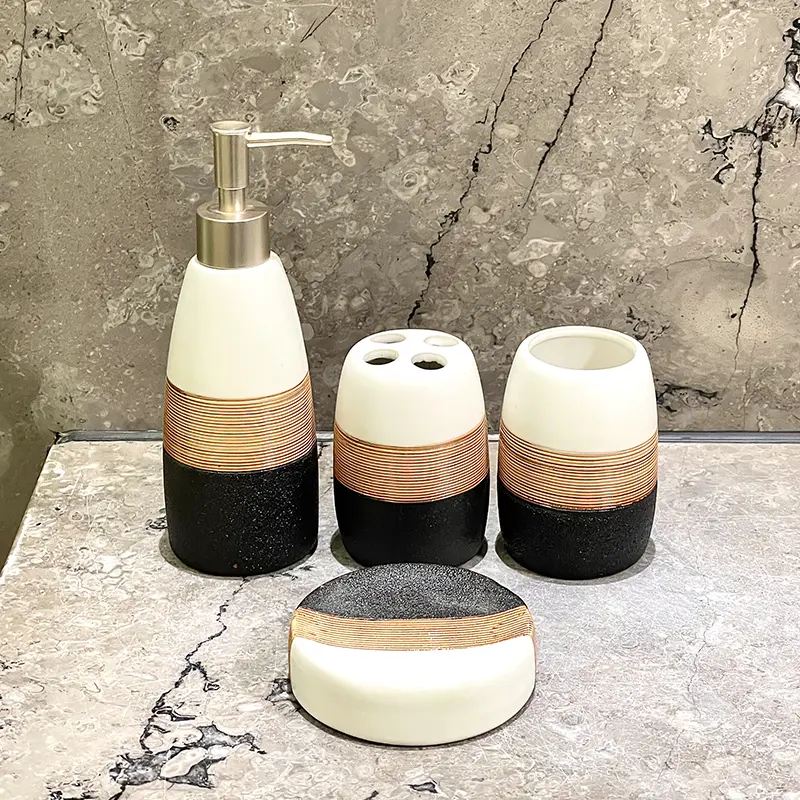
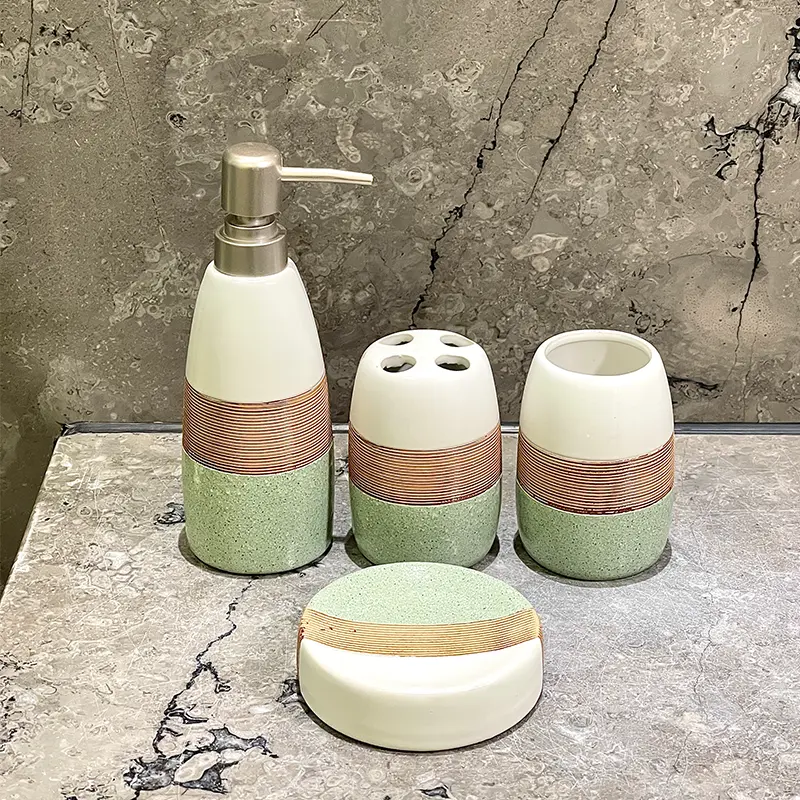
Each product should be inspected as part of the complete collection rather than as an individual item.
| Quality Control Area | What Buyers Should Check |
|---|---|
| Uniformidad del color | All pieces share the approved color tone |
| Finish consistency | Gloss, matte, or satin effects are coordinated |
| Texture consistency | Surface patterns and textures match the design |
| Shape consistency | Products belong to the same design collection |
| Decorative consistency | Patterns, speckles, and details are visually coordinated |
Some handmade-style or reactive glaze collections intentionally feature subtle variations. Buyers should distinguish between approved decorative variation and uncontrolled production inconsistency.
This distinction should be documented before mass production.
What Is the Best Color Approval Process for Ceramic Bath Accessories?
A structured approval process connects product development, sample evaluation, mass production, and product photography. It reduces misunderstandings between manufacturers and buyers and establishes a clear visual quality reference.
Follow these seven steps:
- Define color requirements: Specify the base color, undertone, finish, and texture.
- Develop glaze samples: Ask the manufacturer to prepare samples matching the design requirements.
- Evaluate physical samples: Check the actual ceramic surface instead of relying only on photographs.
- Compare under different lighting: Inspect samples under daylight, warm lighting, and cool LED lighting.
- Approve complete products: Review the actual shapes and all components together.
- Confirm the master sample: Keep an approved physical reference for future production.
- Inspect mass production: Compare finished products with the approved reference before shipment.
For repeat orders, manufacturers should also maintain production records and review significant changes to glaze formulations, finishes, molds, or decorative details.
This process is particularly important for wholesale ceramic bath accessories because visual differences across production batches can affect retail consistency and customer satisfaction.
How Can Retailers Reduce Customer Complaints About Color Differences?
Retailers can reduce color-related complaints by providing accurate product images, clear finish descriptions, realistic lifestyle photography, and transparent information about lighting-related visual differences.
The following practices are particularly effective:
- Use photographs of actual production products.
- Show complete sets instead of individual items only.
- Include close-up images of glaze and surface texture.
- Avoid excessive image saturation and color correction.
- Update product photography when the actual finish changes.
- Keep approved samples for product and supplier comparisons.
- Explain that screen settings and bathroom lighting can influence perceived color.
Para premium ceramic bath accessories, accurate visual presentation is especially important because buyers often evaluate the products based on color, finish, texture, and overall design rather than functionality alone.
Why Should B2B Buyers Choose a Manufacturer with OEM/ODM Capabilities?

A manufacturer with OEM/ODM capabilities can support buyers throughout product development, including design selection, customized colors, surface finishes, product sampling, and mass production.
For importers, wholesalers, distributors, and private-label brands, working directly with a ceramic factory also makes communication about specifications and production requirements more efficient.
A la hora de evaluar un ceramic bath accessories supplier, consider these factors:
| Supplier Capability | Value to B2B Buyers |
|---|---|
| In-house manufacturing | Better coordination of production processes |
| Glaze customization | More flexibility in developing exclusive collections |
| Multiple forming methods | Greater flexibility for different product designs |
| Sample development | Physical confirmation before bulk production |
| Quality control | More systematic inspection of finished products |
| OEM/ODM support | Development of private-label and customized collections |
The right manufacturing partner should understand that product quality includes not only dimensions and functionality but also color, finish, texture, and visual consistency.
Conclusion: How Can Manufacturers Deliver Consistent Ceramic Bathroom Accessories?
Ceramic bath accessories do not have one fixed visual appearance under every condition. Lighting, glaze, surface texture, product geometry, photography, and screen settings all influence how customers perceive the finished products.
For B2B buyers, the most effective solution is to establish clear specifications, approve physical samples, inspect complete sets, and maintain consistent production references. Accurate product photography and controlled quality inspections further reduce the gap between online presentation and real-world appearance.
Yigejia Ceramics is a professional ceramic bath accessories manufacturer based in Chaozhou, Guangdong, China’s Ceramic Capital. With over 20 years of manufacturing experience and a modern factory covering more than 10,000 square meters, we specialize in mid- and high-temperature ceramic products, including decal white porcelain, colored glaze porcelain, and hand-painted porcelain. Our production capabilities include slip casting, roller forming, high-pressure forming, and automated kilns. With extensive OEM/ODM capabilities, strict quality control, and thousands of designs in our showroom, we provide customized ceramic bath accessories solutions for global importers, wholesalers, distributors, retailers, and private-label brands. Contact Yigejia Ceramics to discuss custom designs, glaze finishes, product sampling, and long-term wholesale cooperation.
Preguntas frecuentes
1. Why do ceramic bath accessories look darker in real bathrooms?
Warm or cool lighting, surrounding colors, and surface reflectivity can change how ceramic products appear compared with studio photographs.
2. Can ceramic glaze color vary during production?
Yes. Glaze formulation, application conditions, and firing processes influence the final appearance. Buyers should approve physical samples and establish acceptable visual variation before mass production.
3. Is matte or glossy ceramic better for bathroom accessories?
Neither finish is universally better. Glossy ceramic creates a reflective, polished appearance, while matte ceramic offers a softer, more understated look. The choice depends on the target market and collection design.
4. Should buyers approve ceramic products using photographs or physical samples?
Physical samples are more reliable for evaluating actual color, texture, and finish. Photographs are useful for communication but should not replace sample approval.
5. How can manufacturers maintain color consistency across four-piece bathroom sets?
Manufacturers should use approved glaze references, inspect all components together, maintain production records, and compare finished products with the approved master sample.