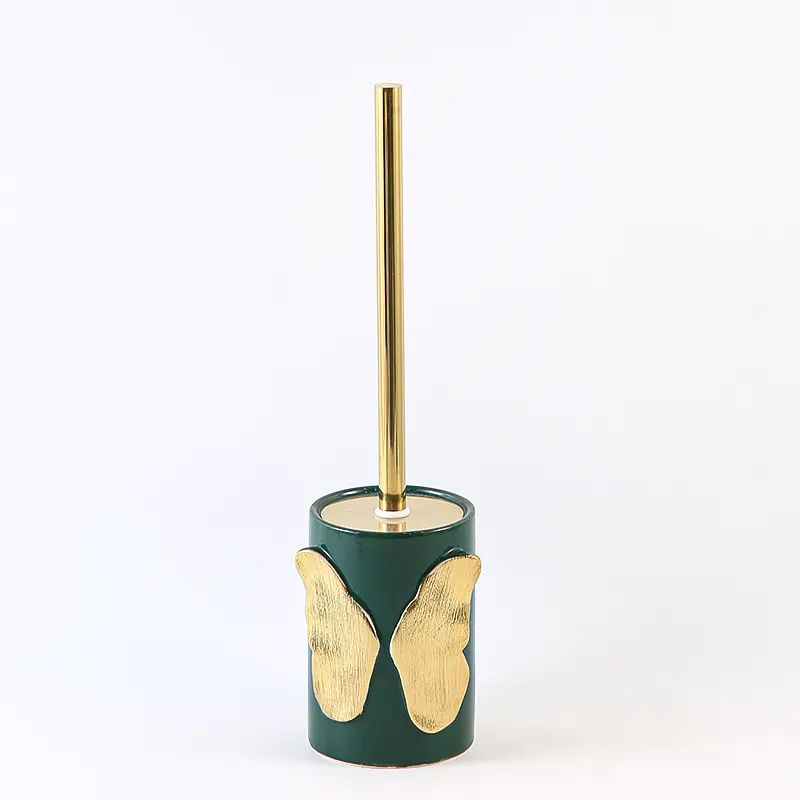
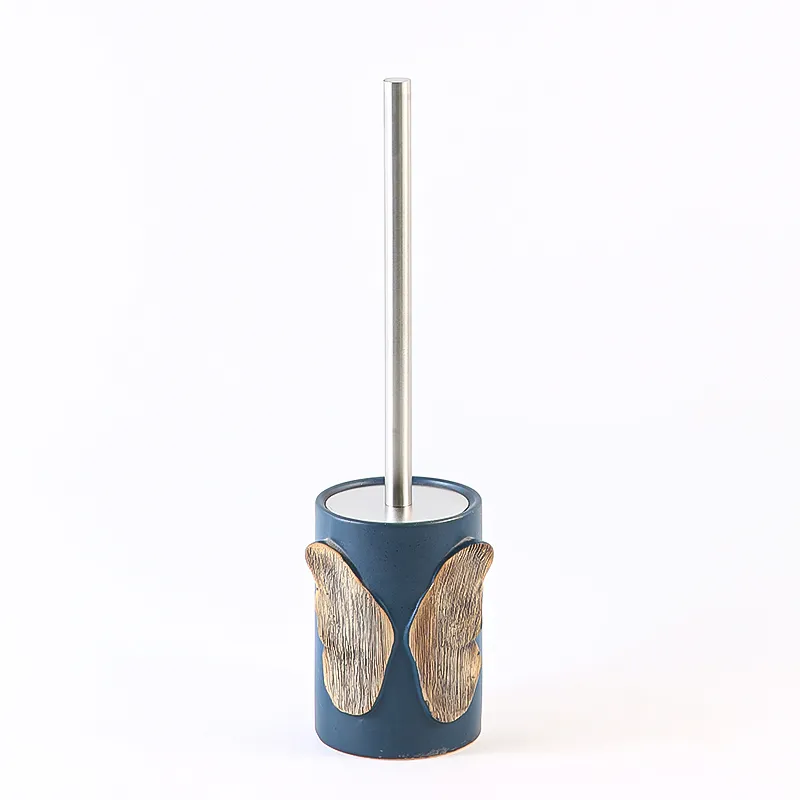
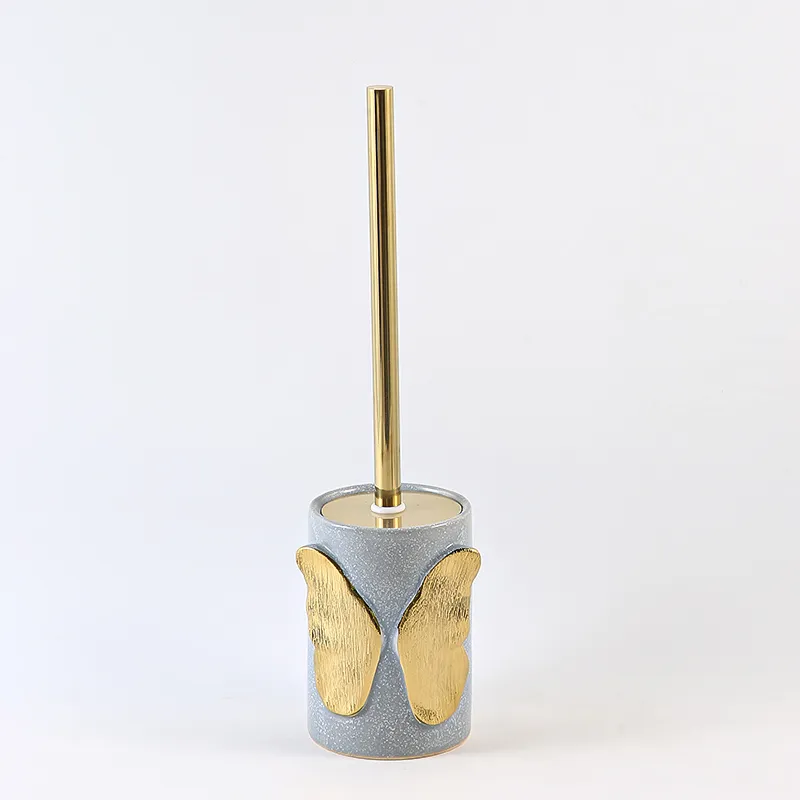
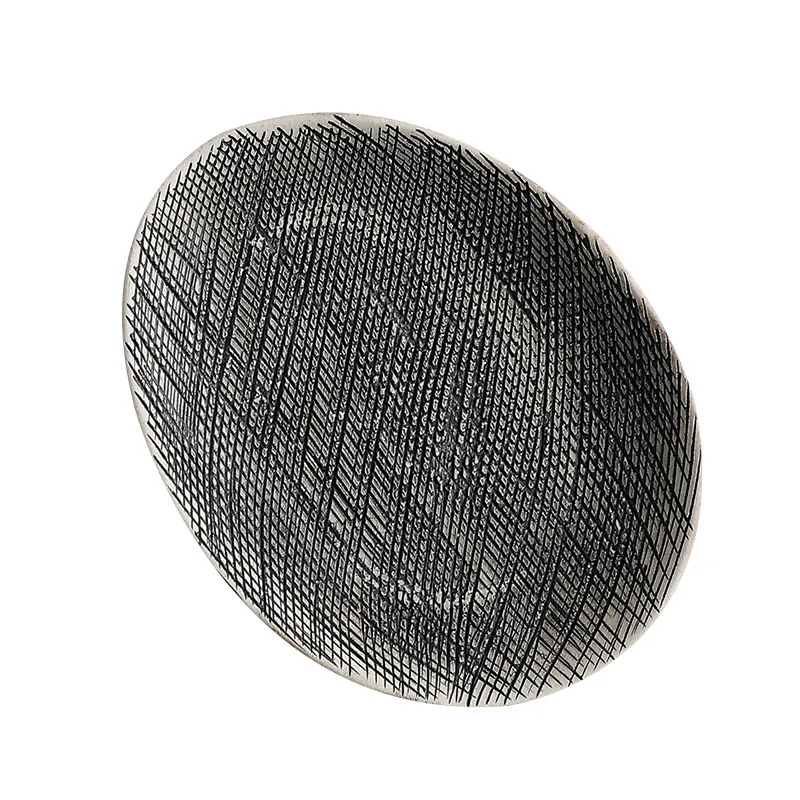
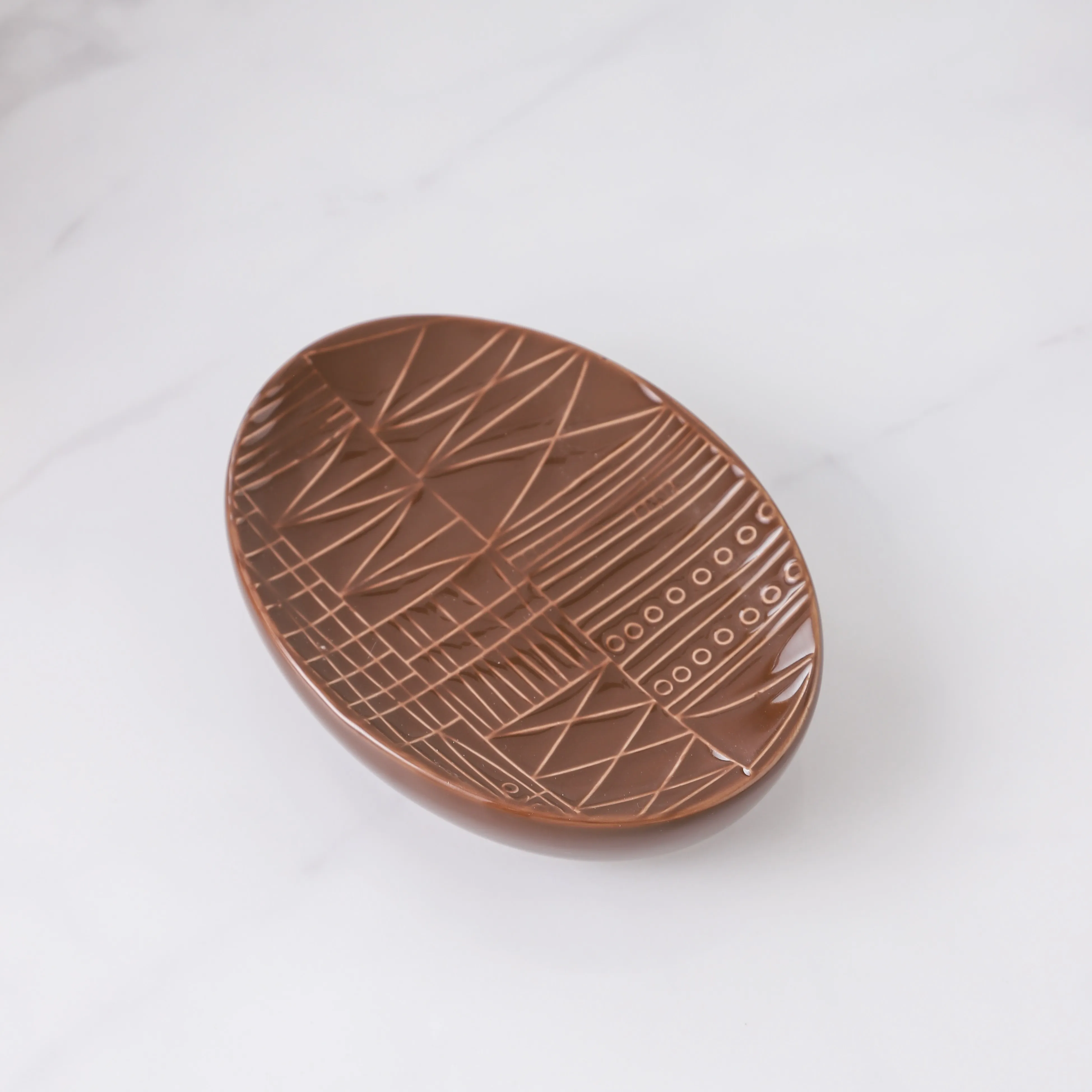
A well-planned ceramic bathroom accessories collection allows retailers to create a consistent brand image, improve merchandising opportunities, reduce product development risks, and expand into new product categories over time.However, creating a scalable collection requires careful planning. Buyers need to consider product structure, design consistency, color strategy, customization options, production capability, and future expansion possibilities.As a professional ceramic bathroom accessories manufacturer, Yigejia Keramik helps global brands and retailers develop customized bathroom accessories collections through strong OEM/ODM capabilities, advanced production technology, and reliable manufacturing support.
What Makes a Ceramic Bathroom Accessories Collection Different from a Product Set?
Many buyers initially think a bathroom accessories collection is simply a combination of several products sold together.
For example, a traditional four-piece bathroom set may include:
- Ceramic soap dispenser
- Zahnbürstenhalter
- Becher
- Seifenschale
This type of set provides customers with a convenient purchasing option.
However, a professional ceramic bathroom accessories collection goes beyond a simple product combination.
A true collection is built around a unified design concept where different products share the same:
- Shape language
- Ceramic material style
- Glaze finish
- Color system
- Verpackungsdesign
- Brand identity
This creates stronger visual recognition and gives retailers more flexibility.
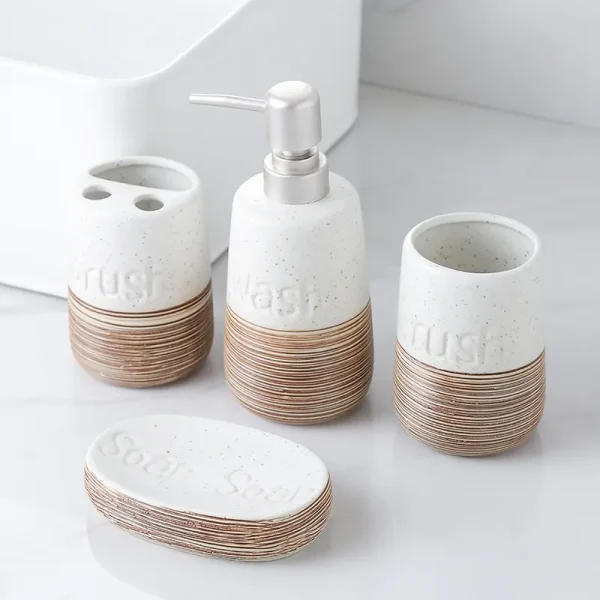
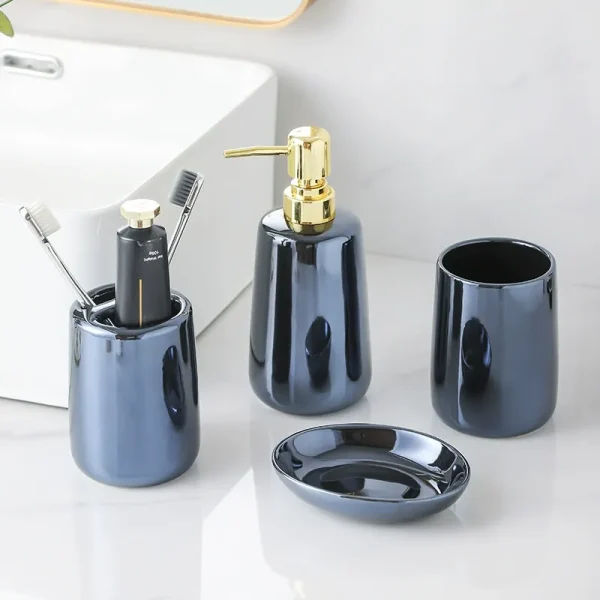
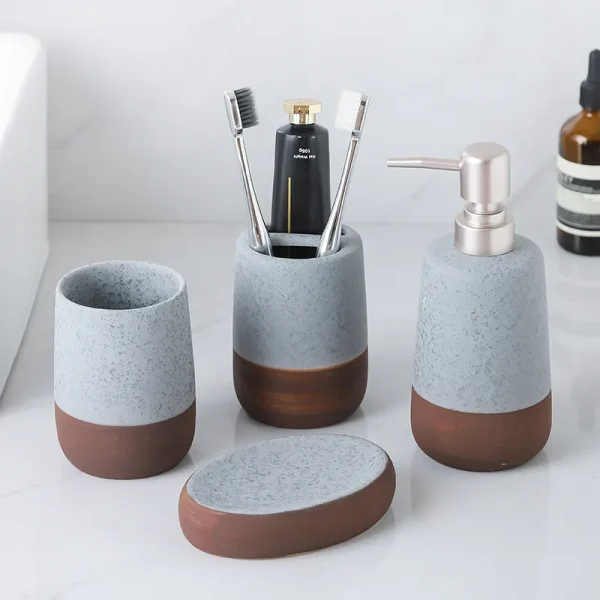
Instead of selling only one fixed set, retailers can develop multiple sales models:
- Complete bathroom sets
- Individual replacement products
- Premium gift sets
- Seasonal collections
- Hotel supply collections
- Private-label product lines
For B2B buyers, this means one successful design concept can generate multiple commercial opportunities.
Start with a Scalable Collection Architecture
Before contacting a ceramic supplier, retailers should define the structure of their future collection.
The key question should not be:
“Which products should we purchase?”
A better question is:
“What product family can we build around one design identity?”
A scalable ceramic bathroom accessories collection usually includes three product levels.
Level 1: Hero Products
Hero products are designed to attract customer attention and communicate the style of the collection.
Common examples include:
Seifenspender aus Keramik
A soap dispenser is often one of the most visible bathroom countertop products.
Its shape, glaze, pump design, and surface texture can define the overall feeling of the collection.
Badezimmerablage
A ceramic tray can enhance the premium appearance of a bathroom collection while providing additional merchandising value.
Decorative Storage Container
A unique storage container can help differentiate a collection from standard bathroom accessory products.
Hero products do not always need to be the highest-volume items.
Their main purpose is to establish the visual identity of the brand.
Level 2: Core Products
Core products create the foundation of the collection.
For most retailers, these products include:
- Seifenspender
- Zahnbürstenhalter
- Becher
- Seifenschale
These products should maintain consistency in:
Form
Products should have related proportions and design characteristics.
Zum Beispiel:
- Rounded edges
- Smooth curves
- Minimalist geometric forms
- Balanced dimensions
Surface Finish
A collection can use:
- Matte glaze
- Glossy glaze
- Speckled ceramic surface
- Reactive glaze effect
- Handmade texture
Color System
Colors should work together instead of appearing as separate products.
This helps customers immediately recognize that different items belong to the same collection.
Level 3: Supporting Products
Supporting products allow retailers to expand after the core collection proves market demand.
Examples include:
- Baumwollgläser
- Bathroom storage containers
- Keramikschalen
- Tissue boxes
- Toilet brush holders
- Small organizers
A common mistake is launching too many products at the beginning.
A smarter strategy is to start with essential products and gradually expand based on sales performance.
This approach reduces inventory pressure and allows retailers to invest resources into products with stronger market potential.
Why the Four-Piece Bathroom Set Should Be the Beginning, Not the Ending
The four-piece ceramic bathroom set remains popular because it provides customers with a simple and complete purchasing solution.
However, for retailers, it should be viewed as the first stage of a larger product strategy.
A scalable development roadmap can include:
Stage One: Market Entry
Launch:
- Seifenspender
- Zahnbürstenhalter
- Becher
- Seifenschale
Im Fokus:
- One strong design concept
- Limited color options
- Controlled SKU numbers
Stage Two: Individual Product Expansion
After receiving market feedback, retailers can introduce individual products.
This allows customers to:
- Replace damaged items
- Purchase additional pieces
- Mix products according to personal needs
Stage Three: Extended Collection Development
Add complementary products such as:
- Aufbewahrungsbehälter
- Tabletts für das Bad
- Baumwollgläser
These additions increase the average order value while maintaining the same design identity.
Stage Four: Premium and Seasonal Versions
Retailers can introduce:
- New glaze effects
- Special textures
- Limited colors
- Premium packaging
without completely redesigning the collection.
This is one of the biggest advantages of a well-planned ceramic bathroom accessories collection.
Build One Strong Design Language Across the Collection
A successful collection does not require every product to look identical.
Instead, products should share a recognizable design language.
Professional Keramikhersteller understand that collection development depends on creating a balance between consistency and variation.
Important design elements include:
Shape Consistency
Products should feel visually connected.
Zum Beispiel:
- Similar curves
- Matching proportions
- Coordinated silhouettes
Material Expression
Ceramic offers many possibilities through:
- Different clay bodies
- Glaze finishes
- Surface decoration
- Handmade effects
Color Harmony
A strong color strategy allows retailers to create a recognizable product family.
Instead of introducing many colors immediately, successful brands usually begin with:
- Core neutral colors
- Secondary lifestyle colors
- Limited seasonal colors
This reduces SKU complexity while maintaining market flexibility.
Create a Smart Color Strategy Before Expanding Your Collection
One of the most important decisions when developing a ceramic bathroom accessories collection is selecting the right color strategy.
Many retailers make the mistake of launching too many colors at the beginning.
Zum Beispiel:
- 5 products
- 8 colors
- 2 packaging options
can quickly create 80 different SKU combinations.
Dadurch steigt:
- Inventory pressure
- Production complexity
- Warehouse management costs
- Forecasting difficulty
A more scalable approach is to create a controlled color system.
Core Colors
Core colors should have long-term market appeal.
Popular choices include:
- Weiß
- Warm beige
- Soft gray
- Natural stone tones
These colors are suitable for retailers targeting broad consumer markets because they match different bathroom styles.
Accent Colors
Accent colors can be introduced to create differentiation.
Examples include:
- Sage green
- Deep blue
- Terracotta
- Earth-inspired colors
These colors are useful for seasonal launches or premium collections.
By combining core and accent colors, retailers can refresh their product range without creating a completely new collection.
Standardize What Matters and Customize What Creates Value
For private-label buyers, customization is often an important part of product development.
However, successful customization does not mean changing every element.
Too much customization can increase:
- Development time
- Minimum order quantities
- Production complexity
- Cost pressure
A better approach is to identify which elements influence customer perception most.
Elements Worth Customizing
Retailers may customize:
1. Product Shape
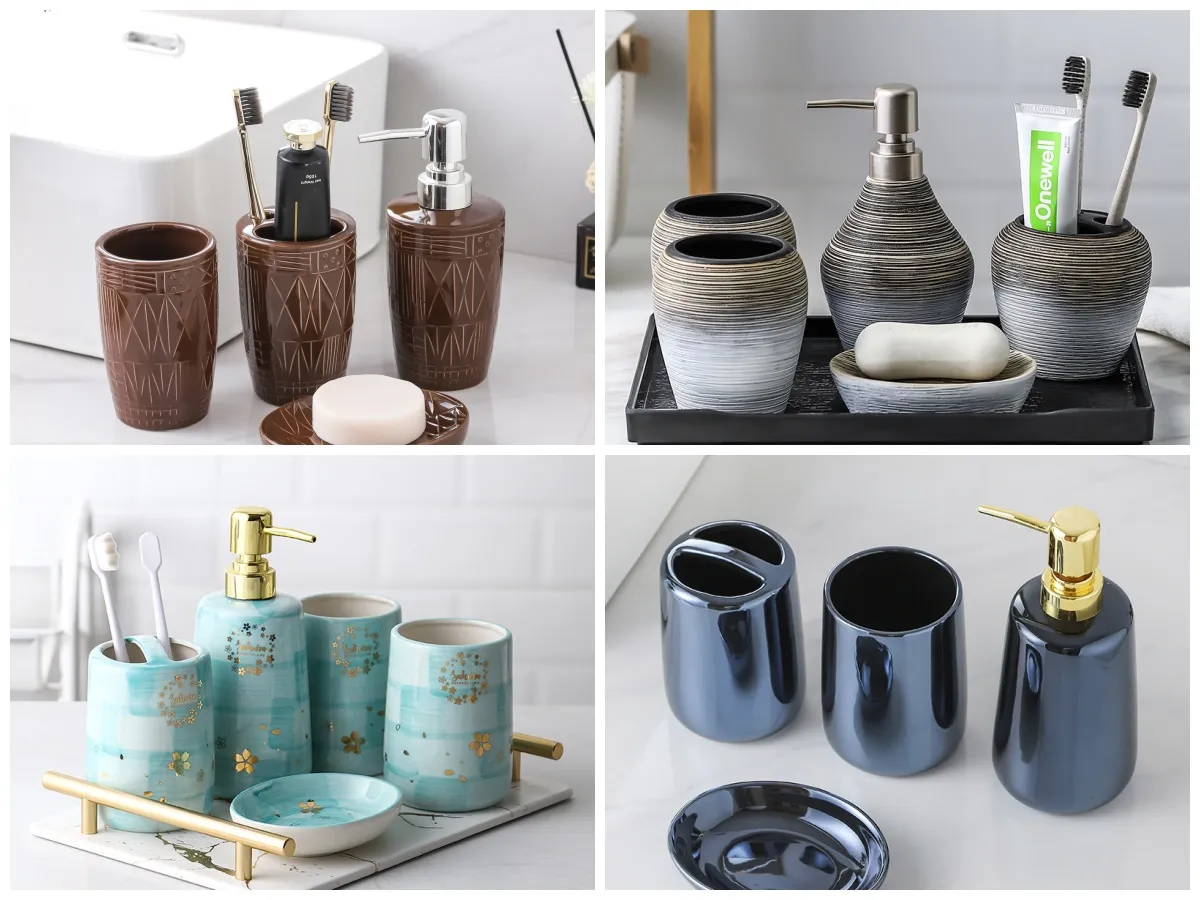
Unique shapes can help brands create market differentiation.
2. Ceramic Surface
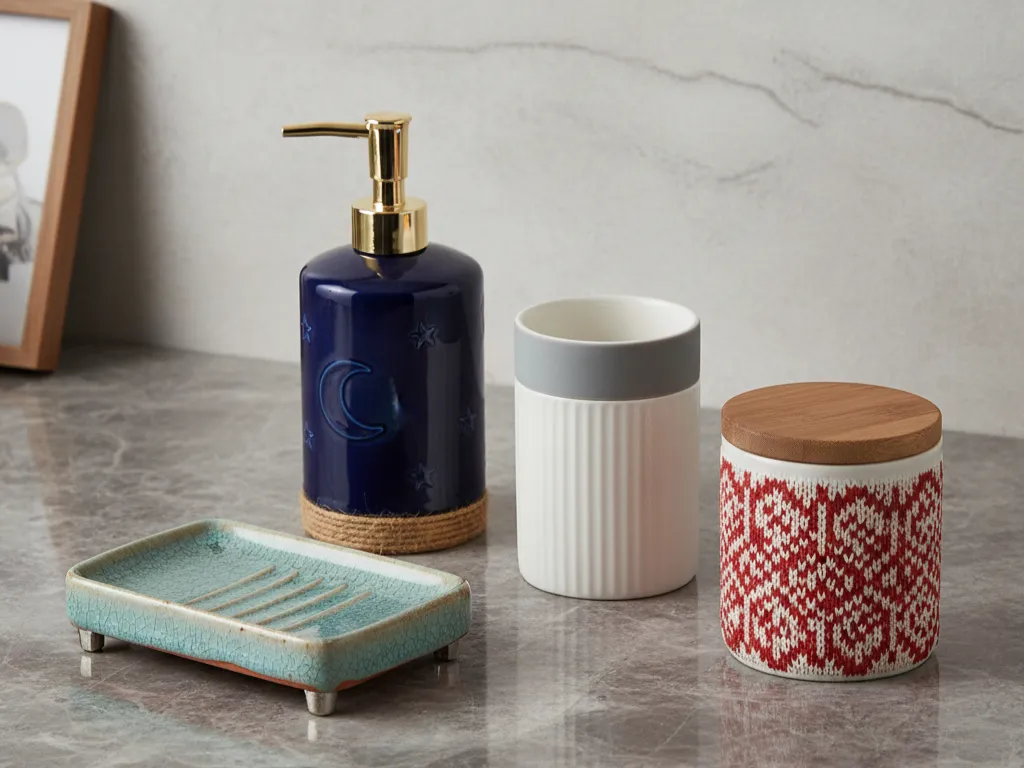
Options may include:
- Matte Oberflächen
- Glossy finishes
- Textured surfaces
- Special glaze effects
3. Colors
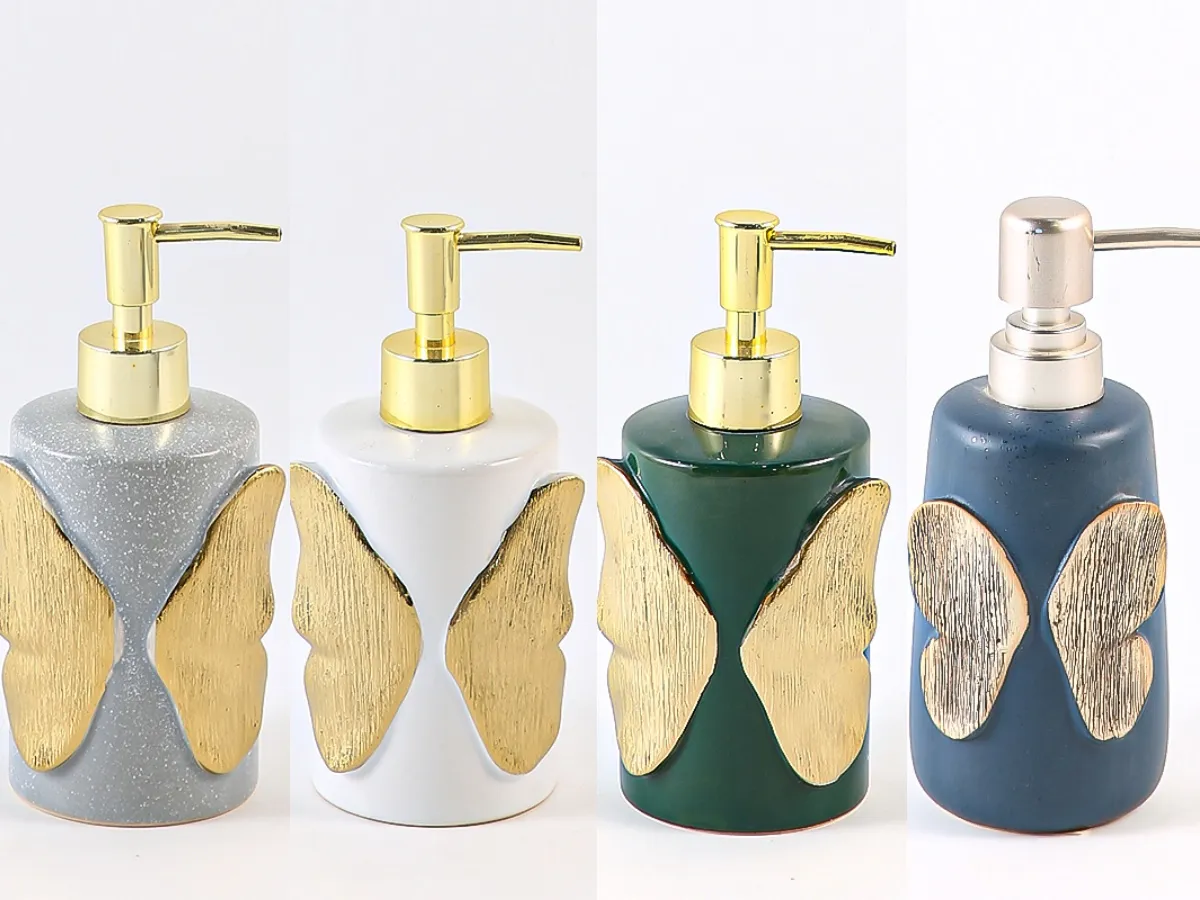
Customized colors allow brands to create their own visual identity.
4. Logo and Branding
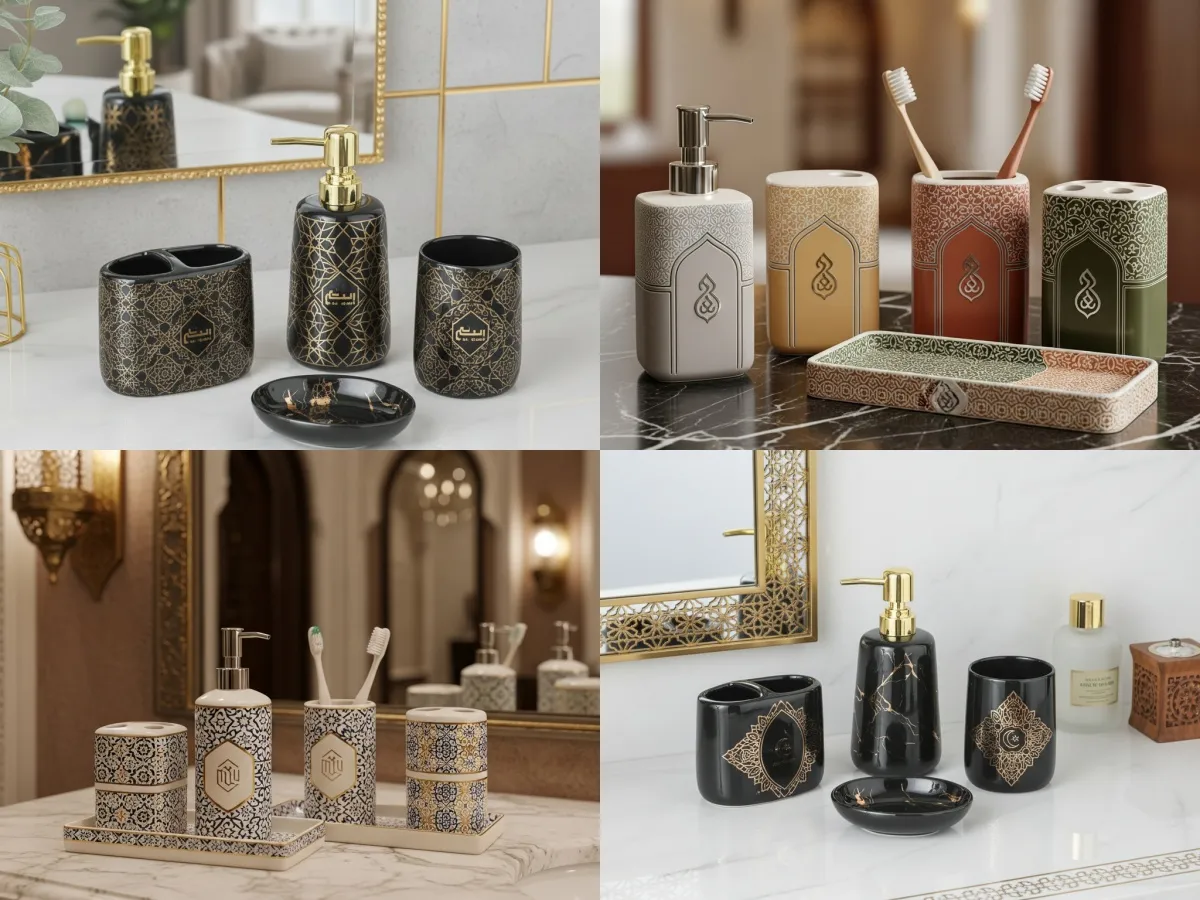
Private-label buyers can add:
- Brand logos
- Collection names
- Product identification systems
5.Packaging
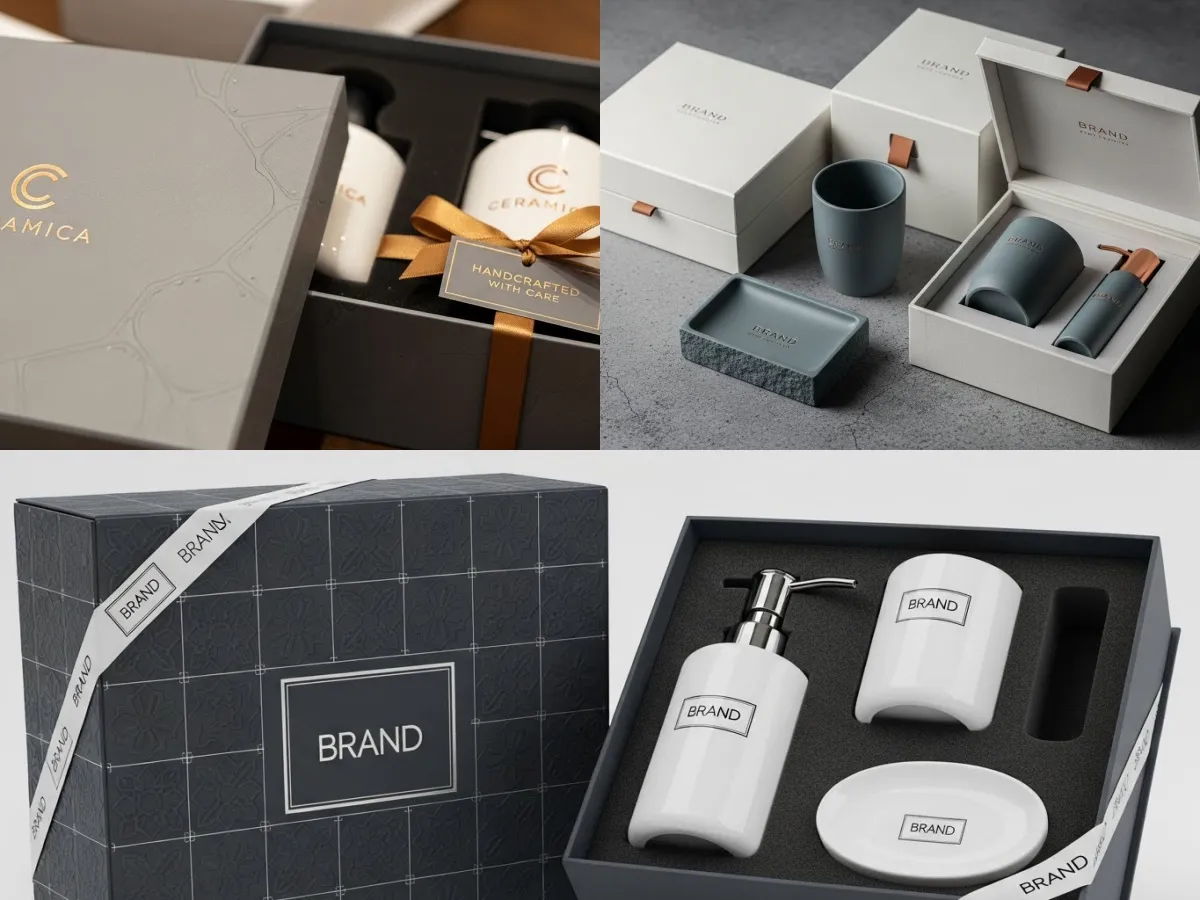
Customized packaging strengthens retail presentation.
Elements That Can Often Be Standardized
Some components may not require customization, such as:
- Certain internal structures
- Standard packaging formats
- Production processes
- Common accessory components
The principle is simple:
Customize the elements customers see and value most, while keeping production practical.
Design Your Collection for Sets and Individual Sales
One advantage of a scalable ceramic bathroom accessories collection is that products can support multiple sales channels.
For example, a ceramic soap dispenser can be sold as:
Complete Bathroom Set
Together with:
- Zahnbürstenhalter
- Becher
- Seifenschale
Individual Retail Product
For customers who only need replacement items.
Premium Bundle
Combined with:
- Bathroom tray
- Storage container
- Dekorative Accessoires
This flexibility helps retailers maximize sales opportunities.
Instead of developing separate products for every market demand, one well-designed collection can support multiple purchasing behaviors.
-

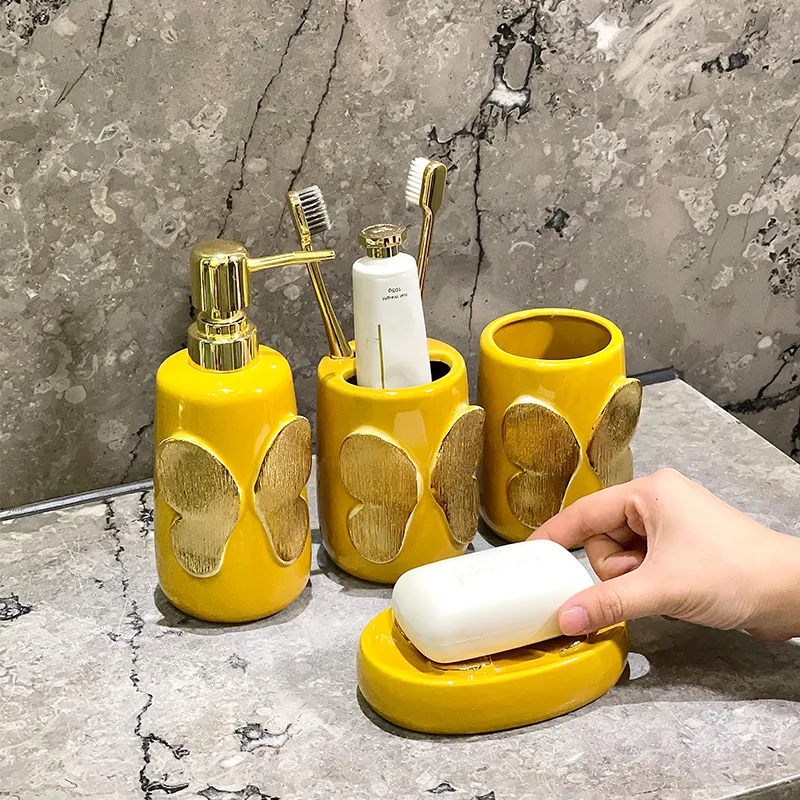
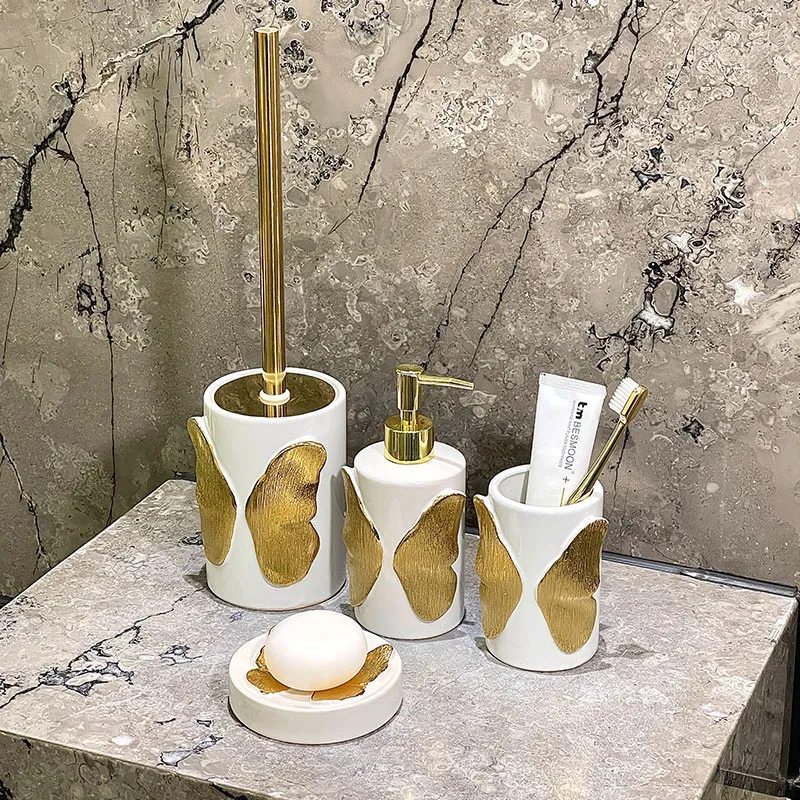
Gelber Schmetterling Badezimmer Set Versorgung, 4-teilig Keramik Bad Accessoire für Hotel Home Decor
-

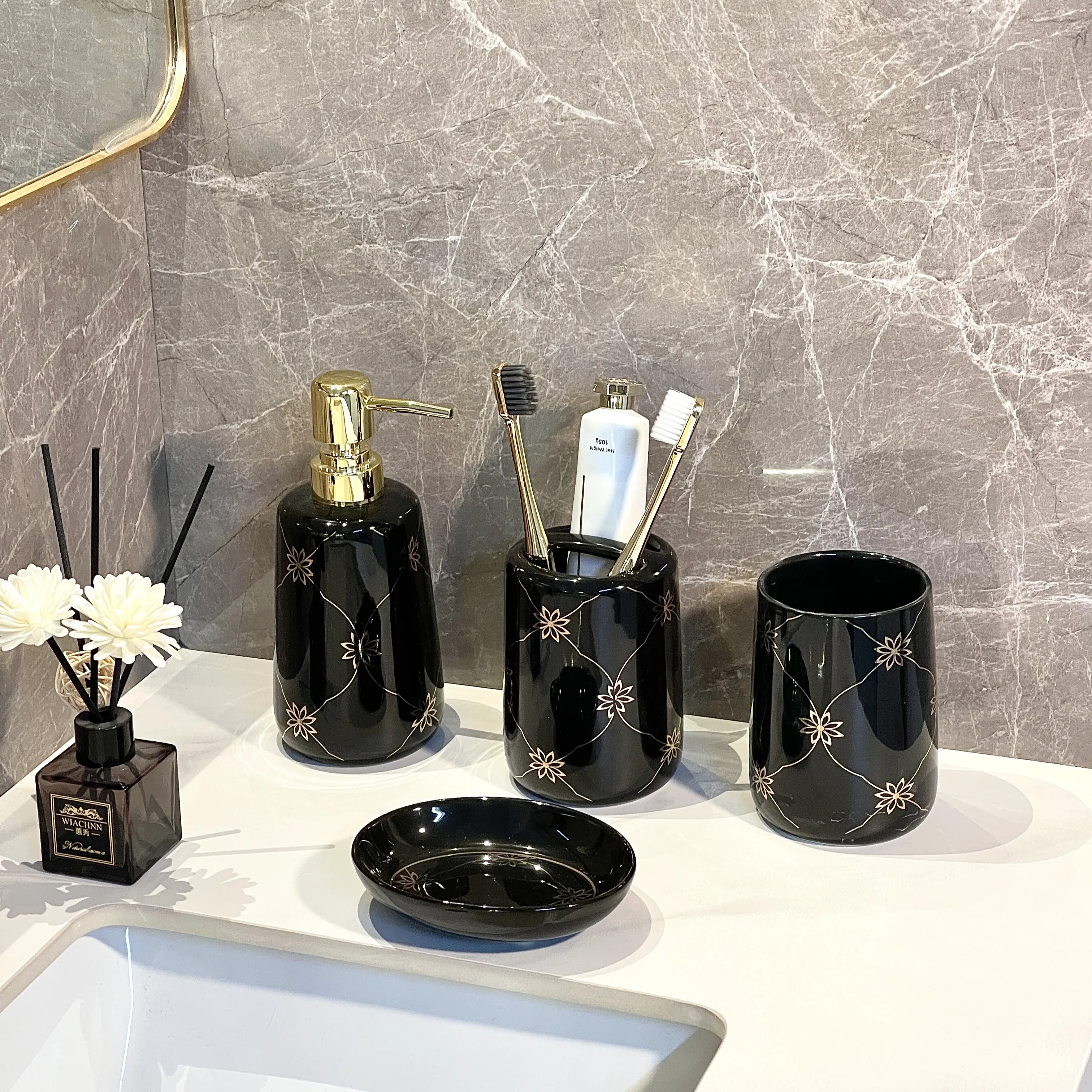
Großhandel Luxus-Badezimmer-Set 4-teilig Schwarz und Gold Glänzende Keramik-Badezimmeraccessoires in Großmengen
-
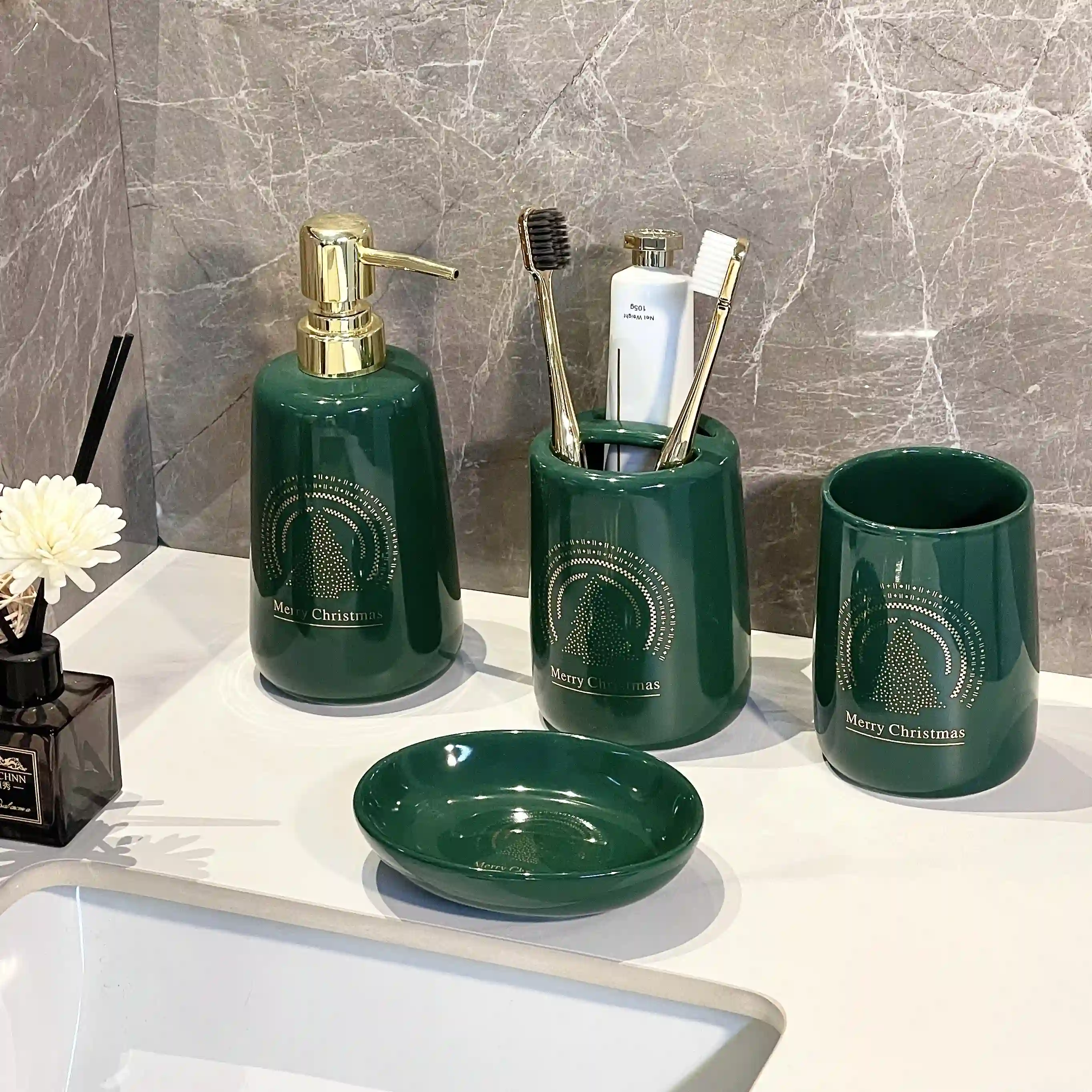
Großhandel Weihnachts-Badezimmer-Sets, Keramik 4-teilige grüne Badezimmer-Accessoires
-
Großhandel Schmetterling Bad Sets Zubehör - 4-teilig weiß & Gold keramischen Bad Dekor Set
Reduce SKU Risk Through Smart Collection Planning
Growing a collection does not mean adding unlimited products.
The most successful retailers focus on commercial efficiency.
Before adding a new product, buyers should consider:
Does this product complete the collection?
A new item should strengthen the overall product system.
Does it create additional sales opportunities?
Products should support:
- Cross-selling
- Higher order value
- Repeat purchases
Can it maintain design consistency?
Every new product should match:
- Color system
- Shape language
- Packaging style
Can it be produced consistently?
The supplier should be able to maintain:
- Materialqualität
- Glaze consistency
- Production standards
This approach helps retailers build stronger collections with controlled investment.
Plan Future Expansion Before Your First Order
A professional ceramic bathroom accessories collection should be designed with future growth in mind.
Before launching, buyers should discuss:
Product Expansion
Can new products be added later?
Examples:
- Aufbewahrungsgläser
- Tabletts für das Bad
- Tissue boxes
- Toilet brush holders
Color Expansion
Can the same glaze colors be reproduced consistently?
Packaging Expansion
Can individual products and complete sets share the same branding system?
Production Continuity
Can the factory support repeat orders over several years?
These questions help prevent problems after successful product launches.
Why Choosing the Right Ceramic Bathroom Accessories Manufacturer Matters
For B2B buyers, supplier selection directly affects the long-term success of a product collection.
A supplier should not only provide finished products.
The ideal manufacturing partner should support:
- Product development
- Design improvement
- Anpassung
- Quality control
- Production scalability
- Future collection expansion
This is especially important for a growing ceramic bathroom accessories collection because future products need to maintain consistency with the original design.
A factory that only focuses on producing individual orders may struggle to support long-term collection development.
What Global Buyers Should Evaluate Before Choosing a Ceramic Supplier
Price is important, but it should not be the only consideration.
When selecting a ceramic bathroom accessories supplier, buyers should evaluate:
1. Erfahrung in der Fertigung
Does the factory understand ceramic production processes?
2. Customization Ability
Can the supplier support OEM and ODM projects?
3. Production Capacity
Can the factory handle both initial orders and future growth?
4. Quality Control
Does the supplier have reliable inspection procedures?
5. Communication Ability
Can the supplier clearly manage:
- Product specifications
- Samples
- Production schedules
- Packaging requirements
6. Long-Term Partnership Capability
Can the supplier support continuous collection development?
For retailers building a long-term product category, supplier capability often matters more than the lowest initial price.
Why Yigejia Ceramics Is a Strategic Partner for Private-Label Brands
Yigejia Keramik is more than a ceramic product manufacturer.
We provide a complete development partnership for businesses that want to create differentiated bathroom collections.
Zu unseren Vorteilen gehören:
Experienced Ceramic Manufacturing
With more than 20 years of experience, Yigejia understands ceramic product development from design to mass production.
Strong OEM/ODM Capability
We support:
- Customized shapes
- Customized colors
- Surface treatments
- Logo applications
- Verpackungslösungen
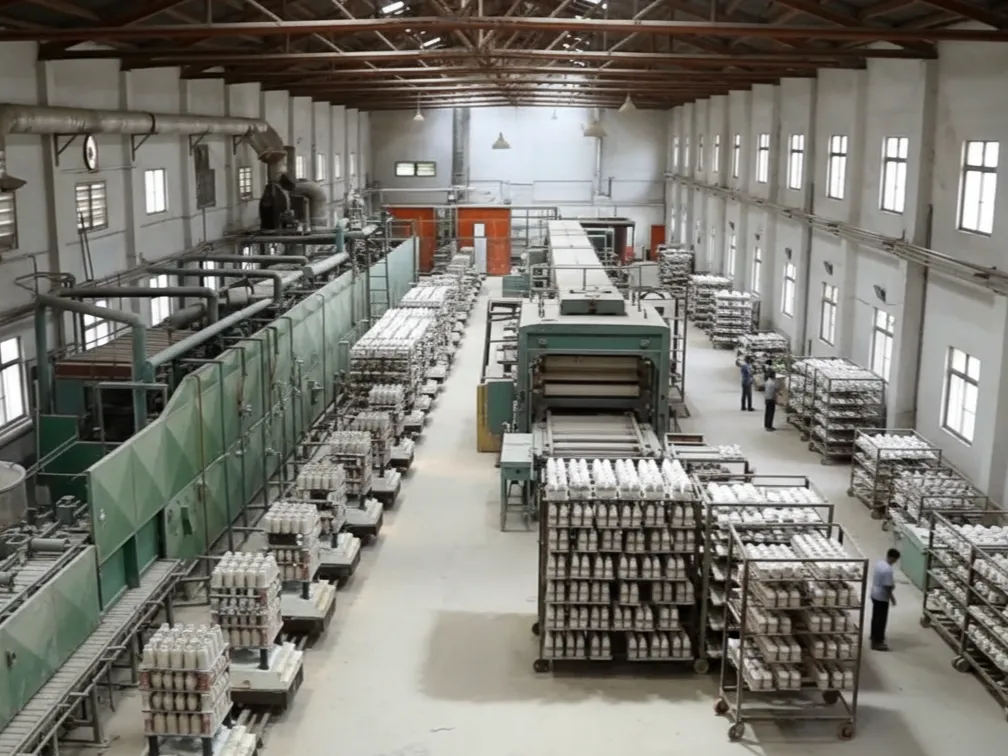
Modern Factory Infrastructure
Our 10,000㎡+ production facility integrates advanced equipment and professional manufacturing processes.
Globale Exporterfahrung
Yigejia products are exported to:
- Europe
- USA
- UK
- Australia
- South America
- Southeast Asia
We understand the quality expectations and supply requirements of international buyers.
Extensive Product Development Resources
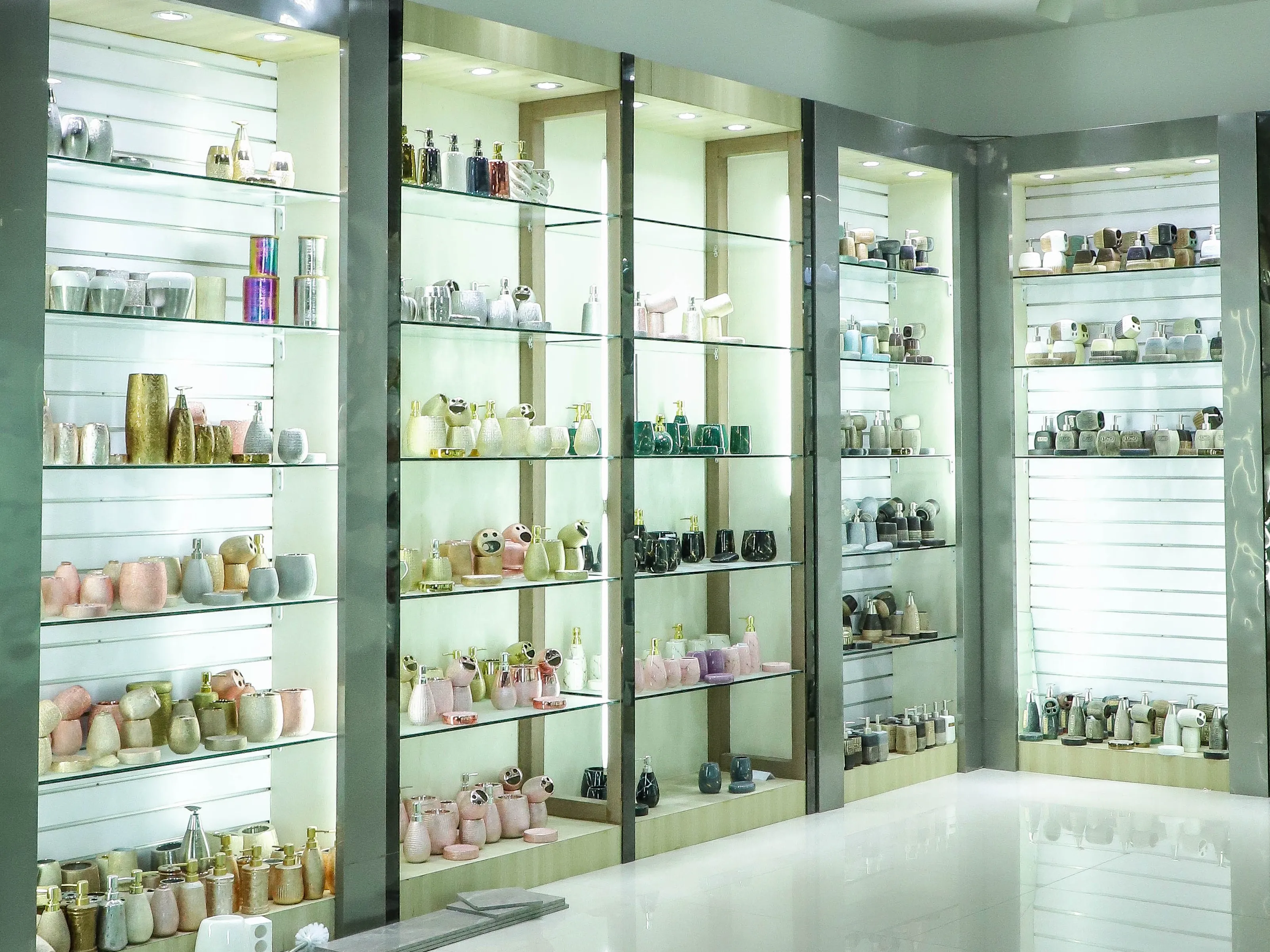
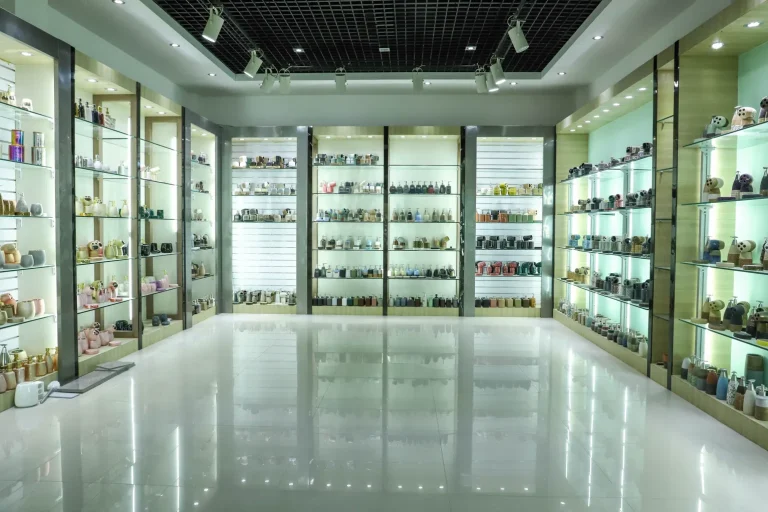
Our showroom displays thousands of ceramic designs, providing inspiration and development possibilities for global partners.
FAQ About Building a Ceramic Bathroom Accessories Collection
1. How many products should a new ceramic bathroom accessories collection include?
For most new brands, starting with four core products is practical:
- Seifenspender
- Zahnbürstenhalter
- Becher
- Seifenschale
Additional products can be introduced after understanding market demand.
2. Should retailers sell bathroom accessories only as sets?
No.
Sets provide convenience, but individual products create additional sales opportunities through replacements, upgrades, and cross-selling.
3. How many colors should a new collection launch with?
A limited color strategy is usually easier to manage.
Many retailers start with one to three carefully selected colors before expanding.
4. Can ceramic bathroom accessories be customized for private-label brands?
Ja.
Professional OEM/ODM factories can support customization in:
- Form
- Farbe
- Glaze
- Logo
- Verpackung
- Collection design
5. What makes a ceramic supplier suitable for long-term cooperation?
A reliable supplier should provide:
- Stabile Qualität
- Manufacturing capability
- Unterstützung bei der Konstruktion
- Customization services
- Consistent production
- Future expansion support
Conclusion: Build a Ceramic Bathroom Accessories Collection That Can Grow
Building a successful bathroom product business is not about creating the largest number of products.
It is about developing a connected product system that can grow over time.
A well-designed ceramic bathroom accessories collection gives retailers more opportunities to:
- Create a stronger brand identity
- Expand product categories
- Increase customer purchase value
- Support multiple sales channels
- Develop long-term market presence
The best collections begin with a clear strategy:
- Start with strong core products.
- Control colors and SKUs.
- Create a consistent design language.
- Plan future expansion.
- Choose a supplier that can support continuous development.
As a professional OEM/ODM ceramic bathroom accessories manufacturer, Yigejia Keramik helps global brands transform product ideas into scalable ceramic collections.
With a 10,000㎡+ modern factory, advanced ceramic production technologies, experienced craftsmanship, and strong customization capabilities, Yigejia provides reliable manufacturing solutions for retailers, wholesalers, and private-label partners worldwide.
A successful collection is not simply a group of ceramic products.It is a carefully designed product system where every item supports the next stage of growth.
With the right manufacturing partner, your ceramic bathroom accessories collection can become a long-term commercial asset. Connect Yigejia Keramik Today!