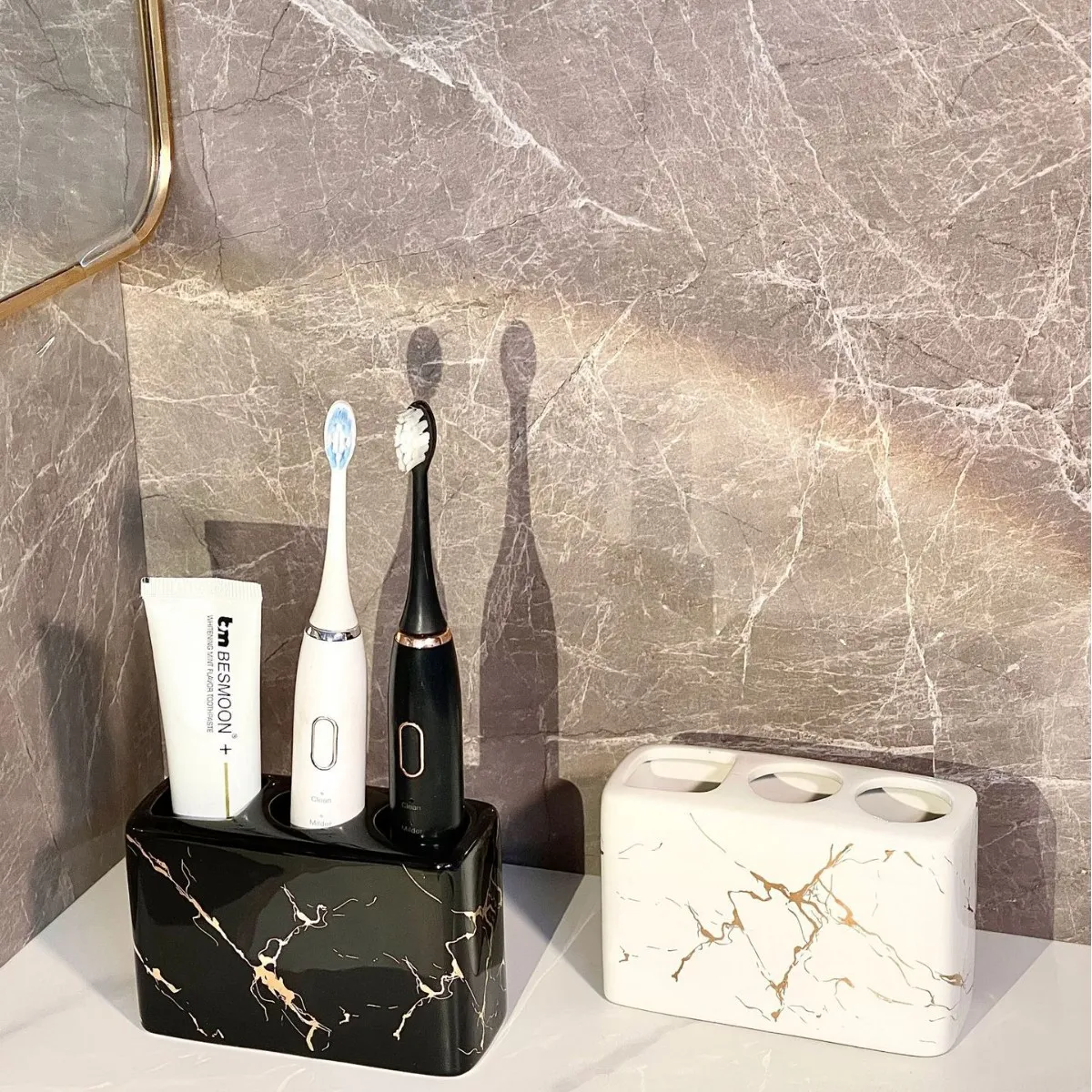
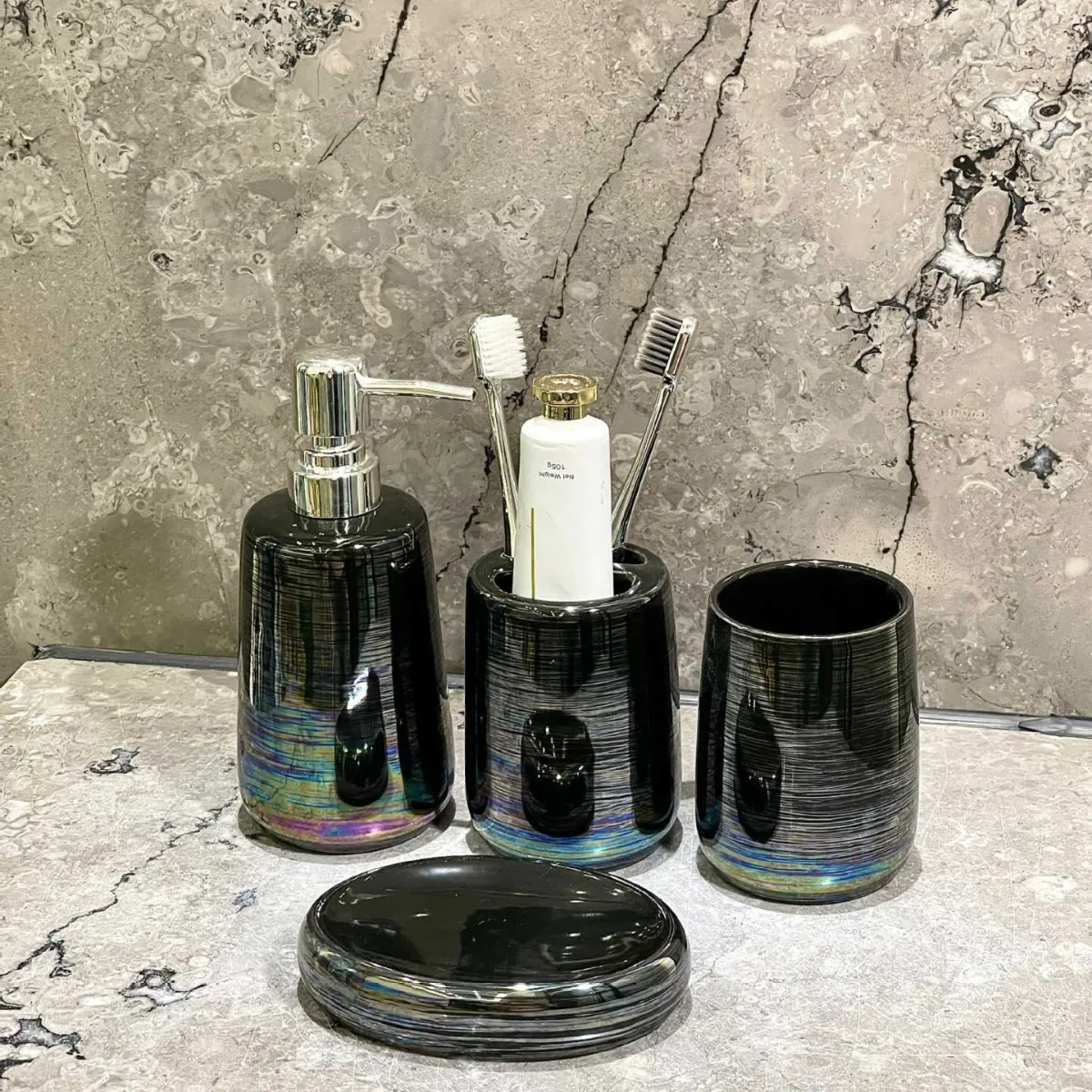
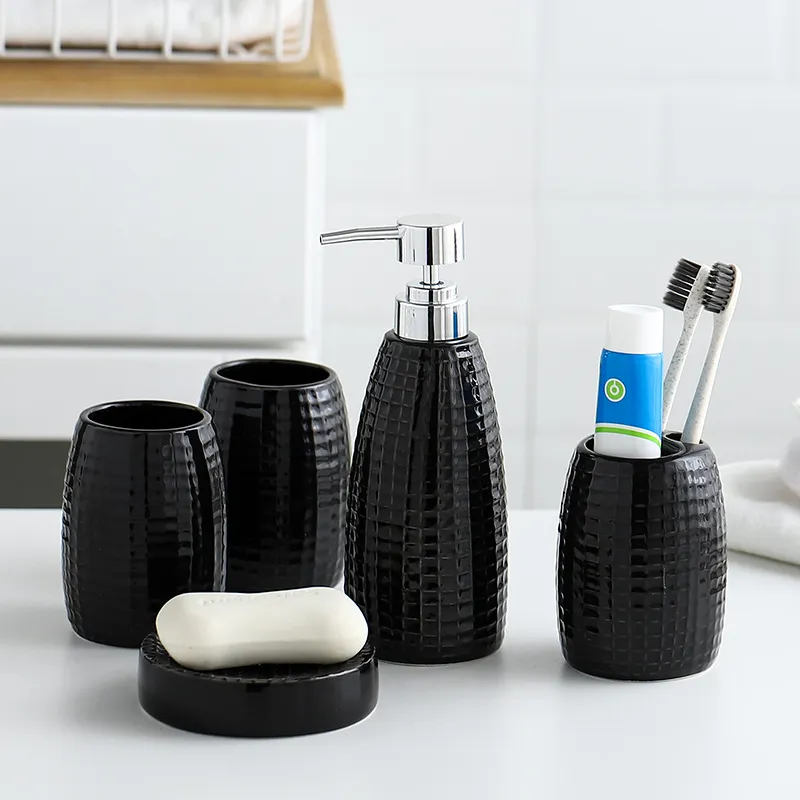
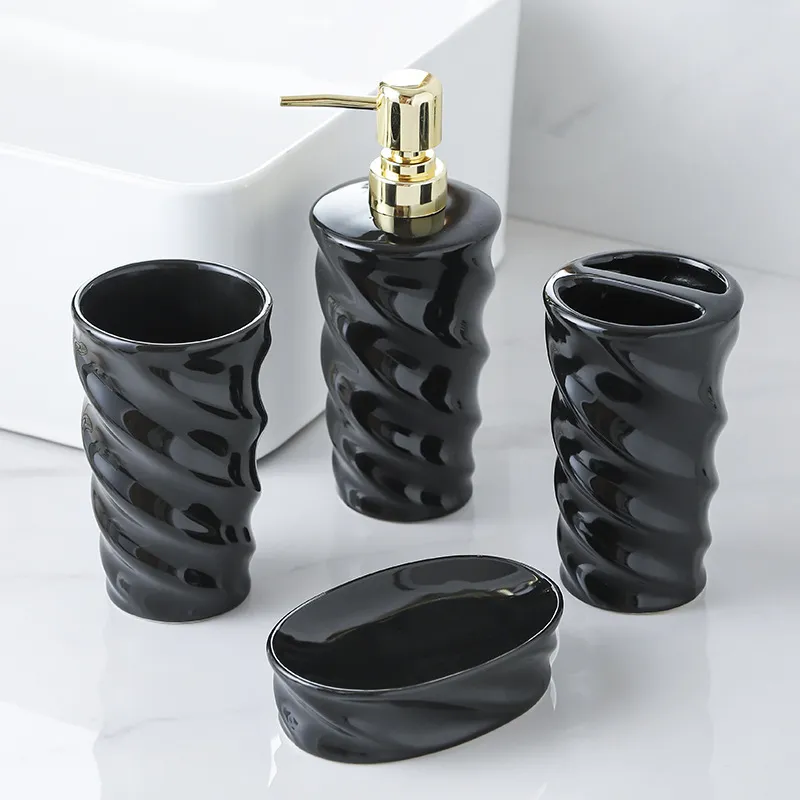
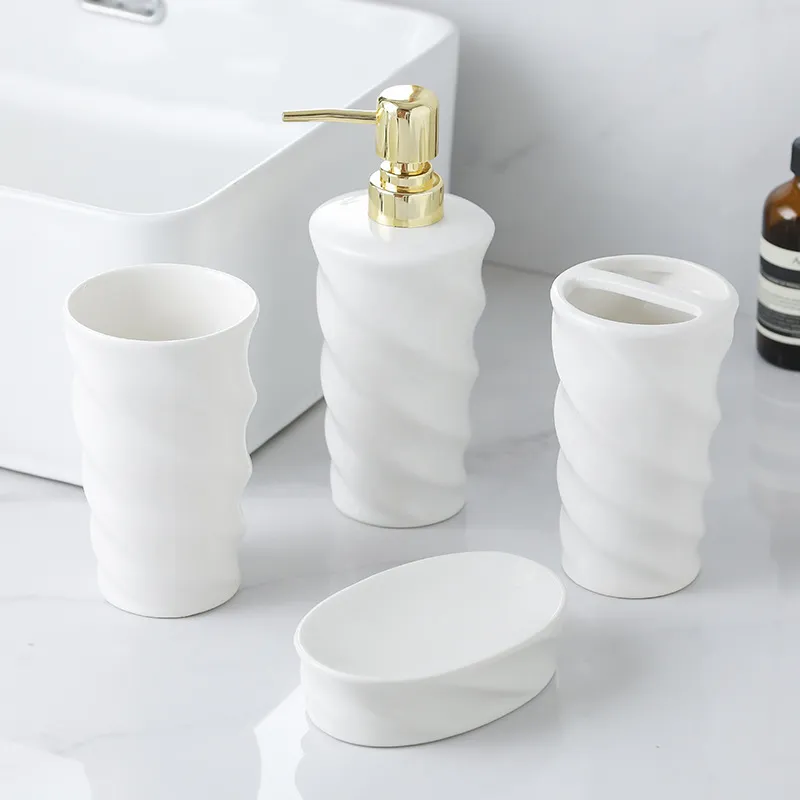
Bei der Wahl zwischen einer Seifenschale aus Kunststoff und eine Keramik-Seifenschale, Die bessere Wahl für eine langfristige Nutzung ist in der Regel Keramik. Seifenschalen aus Kunststoff sind zwar leicht, erschwinglich und schwer zu zerbrechen, Keramik-Seifenschalen bieten im Allgemeinen eine bessere Haltbarkeit, bessere Hygiene, eine höhere Fleckenbeständigkeit und ein hochwertigeres Aussehen im Laufe der Zeit.
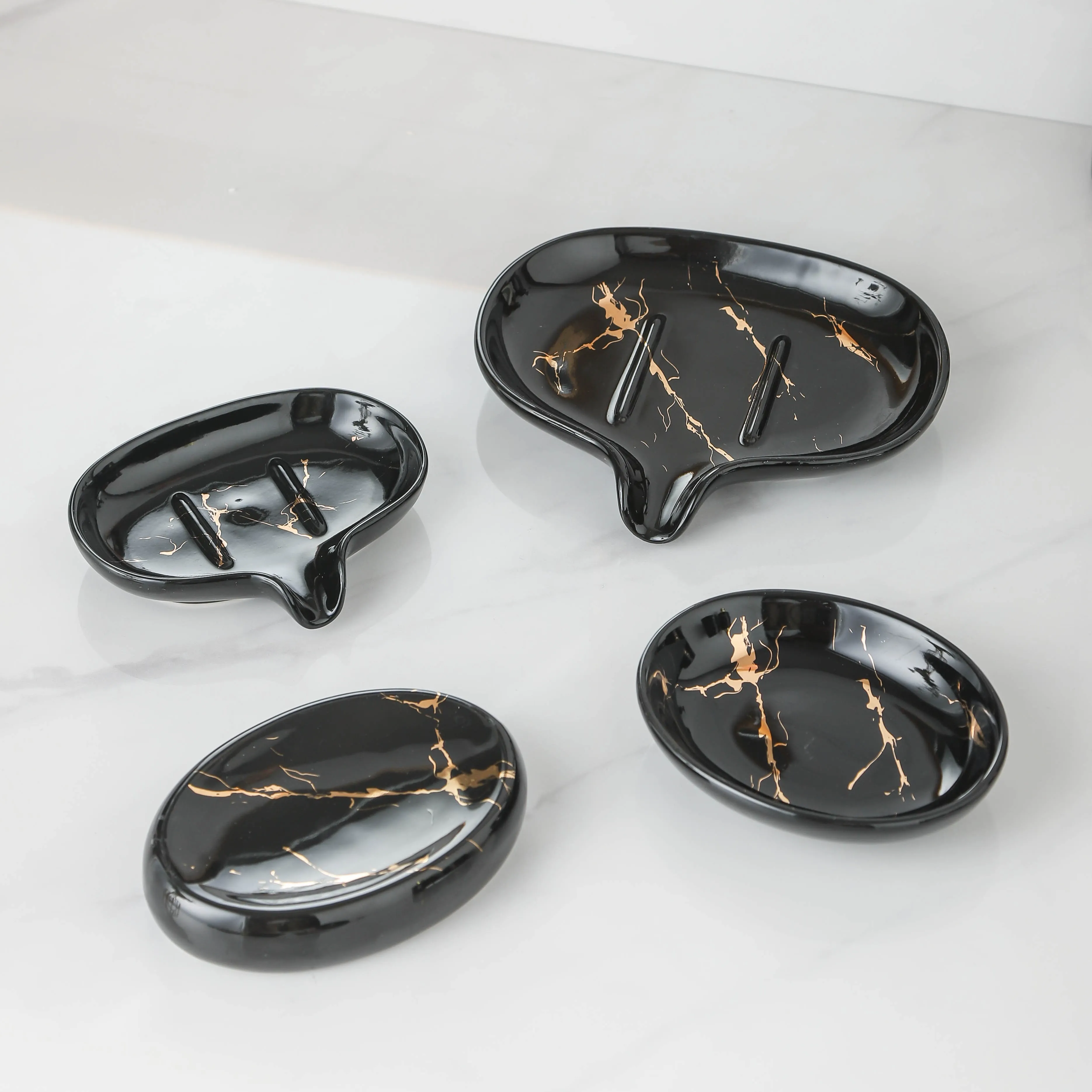
Die richtige Wahl hängt jedoch auch von Ihrer Badumgebung, Ihren Pflegegewohnheiten und Ihrem Budget ab. In diesem Leitfaden, Yigejia Keramik vergleicht beide Materialien unter praktischen und langfristigen Gesichtspunkten.
Hauptunterschiede zwischen Kunststoff und Keramische Seifenschalen
| Vergleich Dimension | Plastik-Seifenschale | Keramische Seifenschale |
|---|---|---|
| Nutzungsdauer | Anfällig für Alterung und Verfärbung | Lange Lebensdauer, fast keine Alterung |
| Erscheinungsbild & Textur | Einfach, relativ billig | Hochwertiges Gefühl, geeignet für gehobene Räume |
| Fleckenbeständigkeit | Absorbiert mühelos Flecken und Gerüche | Hält keinen Geruch zurück, leicht zu reinigen |
| Hitzebeständigkeit | Schlecht, leicht verformbar | Hochtemperatur gebrannt, sehr stabil |
| Auswirkungen auf die Umwelt | Meistens Einwegartikel oder wenig haltbar | Langlebiger und auf lange Sicht umweltfreundlicher |
| Kostenstruktur | Geringe Anschaffungskosten, aber häufiger Austausch | Höhere Anfangskosten, aber langfristig kostengünstiger |
👉 Aus der Perspektive einer langfristigen Nutzung bietet Keramik eindeutig überlegene Vorteile in Bezug auf Haltbarkeit, Hygiene und Markenwert.
Warum ist Keramik besser für den “Langzeitgebrauch” geeignet?
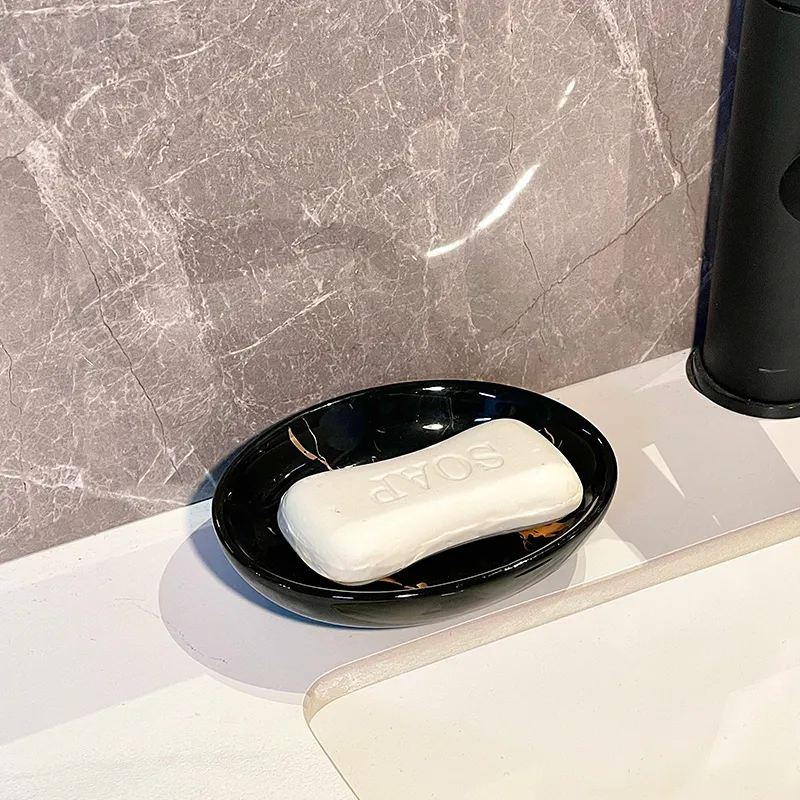
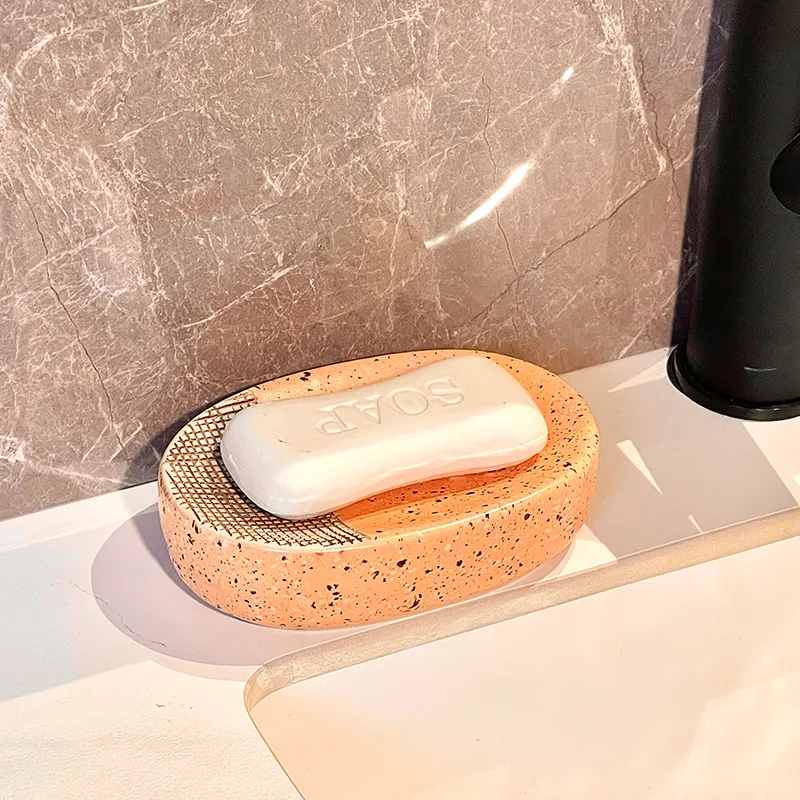
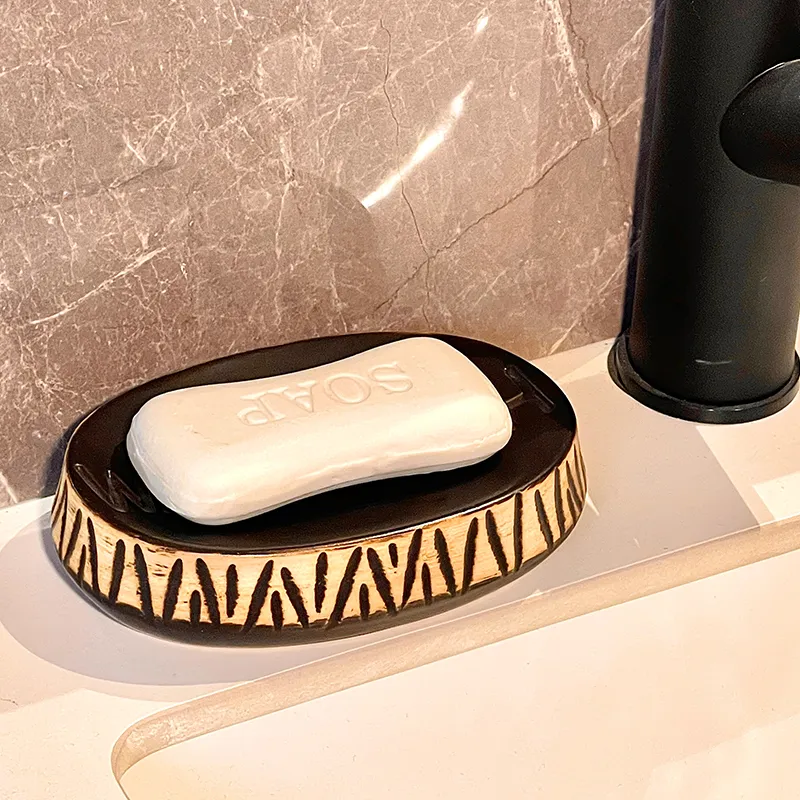
In langfristigen Nutzungsszenarien liegen die Vorteile von Keramik vor allem in der Stabilität, der Reinigungsfreundlichkeit und den Gesamtkosten, die sich einfach als ’problemloser und langlebiger“ zusammenfassen lassen.”
Strukturell stabil und widerstandsfähig gegen Alterung
Keramik wird bei hohen Temperaturen gebrannt, wodurch eine dichte Struktur entsteht, die auch in feuchter Umgebung oder bei Temperaturschwankungen zuverlässig bleibt:
- Verformt sich nicht leicht und bekommt keine Risse
- Kein Vergilben oder Verblassen mit der Zeit
Glatte Oberfläche für leichtere Reinigung
Die Glasur bildet eine Schutzschicht und verleiht der Keramik eine hohe Fleckenbeständigkeit:
- Resistent gegen Flecken und Geruchsbildung
- Tägliches Abspülen reicht aus, um es sauber zu halten
Längere Lebensdauer, besser kontrollierbare Kosten
Kunststoff ist zwar billig, muss aber häufig ersetzt werden. Keramik hält länger und hat eine viel längere Lebensdauer:
- Verringert den Bedarf an wiederholten Käufen
- Geringere Wartungskosten
Hervorragende Textur, steigert die Gesamtqualität
Keramik bietet sowohl optisch als auch haptisch ein höheres Qualitätsempfinden:
- Verfeinertes Erscheinungsbild
- Leichtere Integration in hochwertige Räume
Zusammenfassend lässt sich sagen: Der wirkliche Vorteil von Keramik ist nicht nur die Haltbarkeit - es ist auch stabiler, hygienischer und fühlt sich auf Dauer viel besser an.
Aus Sicht der Lieferkette: Warum einen Keramikhersteller wählen?
Bei der B2B-Beschaffung geht es nicht nur darum, “ob sie liefern können”, sondern ob die Lieferkette stabil und kontrollierbar ist und ein langfristiges Geschäftswachstum unterstützen kann. Im Vergleich zu Handelsunternehmen bietet die direkte Zusammenarbeit mit etablierten Keramikherstellern mehr Ruhe und Sicherheit in der praktischen Zusammenarbeit.
Kontrollierbare Produktion, gleichmäßigere Qualität
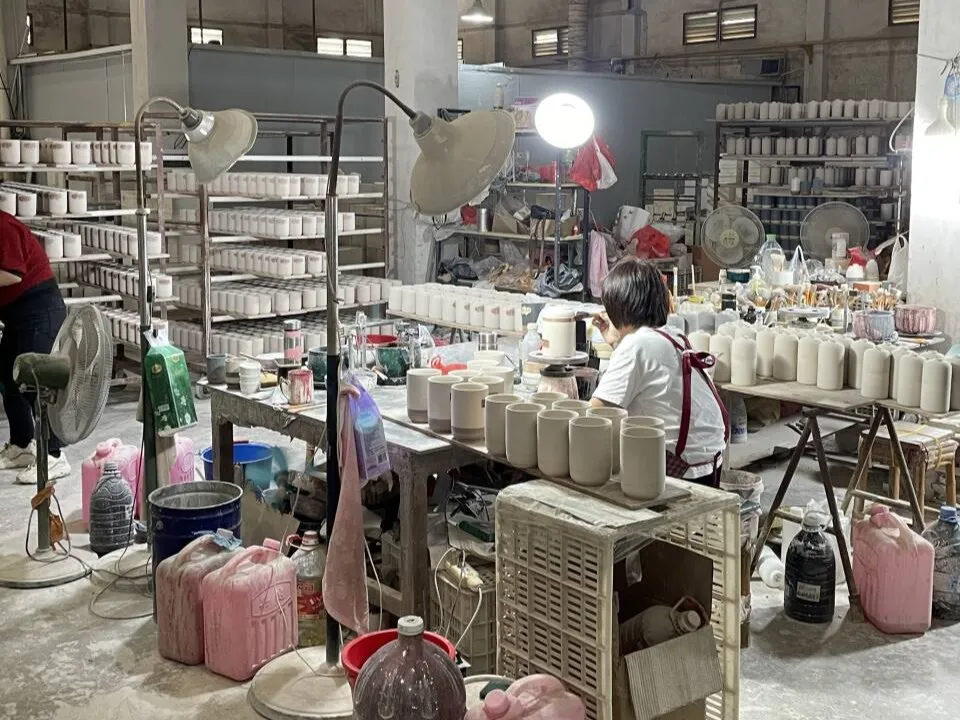
Nehmen Sie Yigejia Keramik. Solche Fabriken verfügen in der Regel über eine vollständige Produktionskette - vom Gießen bis zum Brennen wird alles im Haus erledigt. Das sorgt für eine bessere Produktkonsistenz und eignet sich besser für langfristige Projekte oder die laufende Aufstockung der Lagerbestände.
Unterstützung bei der Anpassung, vorteilhaft für den Markenaufbau
Ausgereifte Fabriken übernehmen nicht nur die Produktion, sondern arbeiten auch bei der Produktentwicklung mit Ihnen zusammen. Farbe, Form und Verpackungsstil - all das kann auf Ihre Marktpositionierung zugeschnitten werden, damit sich Ihr Produkt von anderen abhebt und nicht nur über den Preis konkurriert.
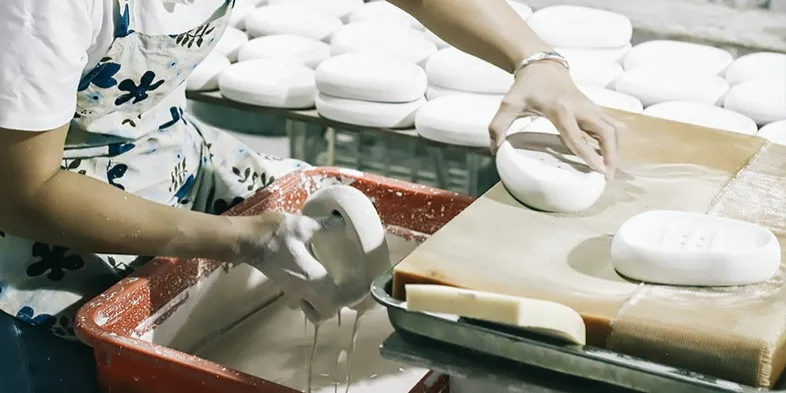
Gleichgewicht zwischen Handwerk und Massenproduktion
Diese Fabriken kombinieren handwerkliche Handwerkskunst mit standardisierten Prozessen, die die Detailgenauigkeit und Beschaffenheit der Produkte gewährleisten und die Qualität über große Produktionsserien hinweg konsistent halten. Das ist ein wichtiger Faktor für Kunden, die im Laufe der Zeit Nachbestellungen benötigen.
Umfassende Exporterfahrung sorgt für eine reibungslose Zusammenarbeit
Fabriken wie Yigejia Keramik die sich auf den Export konzentrieren, haben in der Regel mehr Erfahrung mit Kommunikation, Lieferterminen und Qualitätskontrolle. Das bedeutet weniger Unsicherheit in Ihrer Partnerschaft.
Bei der Wahl eines Keramiklieferanten geht es nicht nur darum, jemanden zu finden, der Ihre Produkte herstellt. Es geht um den Aufbau eines stabileren, dauerhaften Versorgungssystems für Ihr Unternehmen.
Praktische Anwendungsempfehlungen
Bei praktischen Projekten erfordern unterschiedliche Positionen unterschiedliche Materialwahlen; der Schlüssel ist die Ausrichtung auf die “Produktlebenszyklus + Markenstrategie.”
Fallstudie:
Eine südostasiatische Kette von Gästehäusern verwendete zunächst Seifenschalen aus Kunststoff. Obwohl die Beschaffungskosten niedrig waren, traten innerhalb von 3-6 Monaten häufig Probleme wie Vergilbung, Risse und unangenehme Gerüche auf. Dies führte zu einer Zunahme negativer Bewertungen und der Notwendigkeit einer wiederholten Nachbestückung, was zu höheren Gesamtbetriebskosten führte.
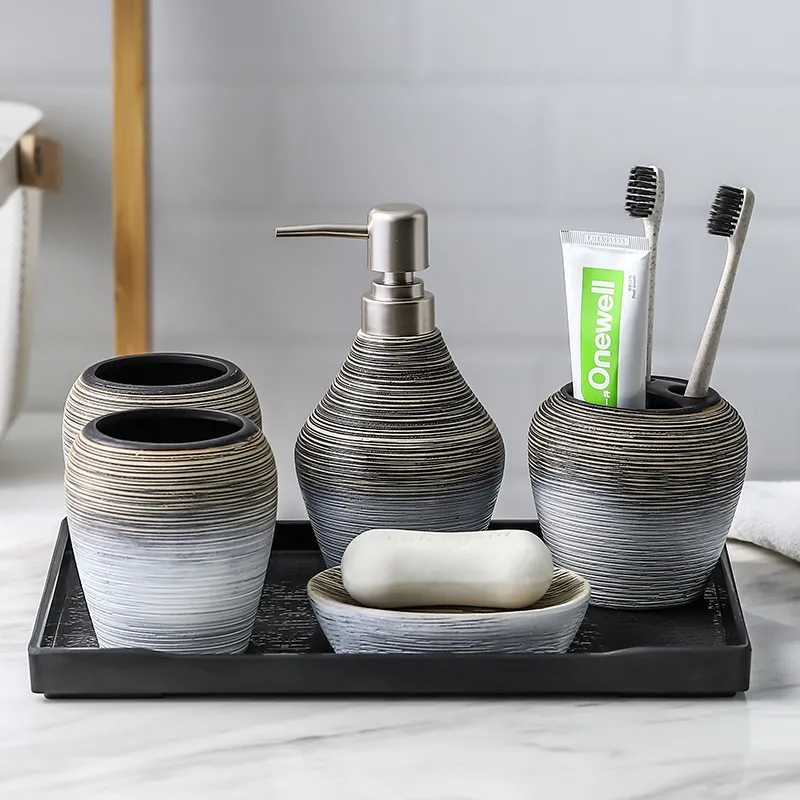
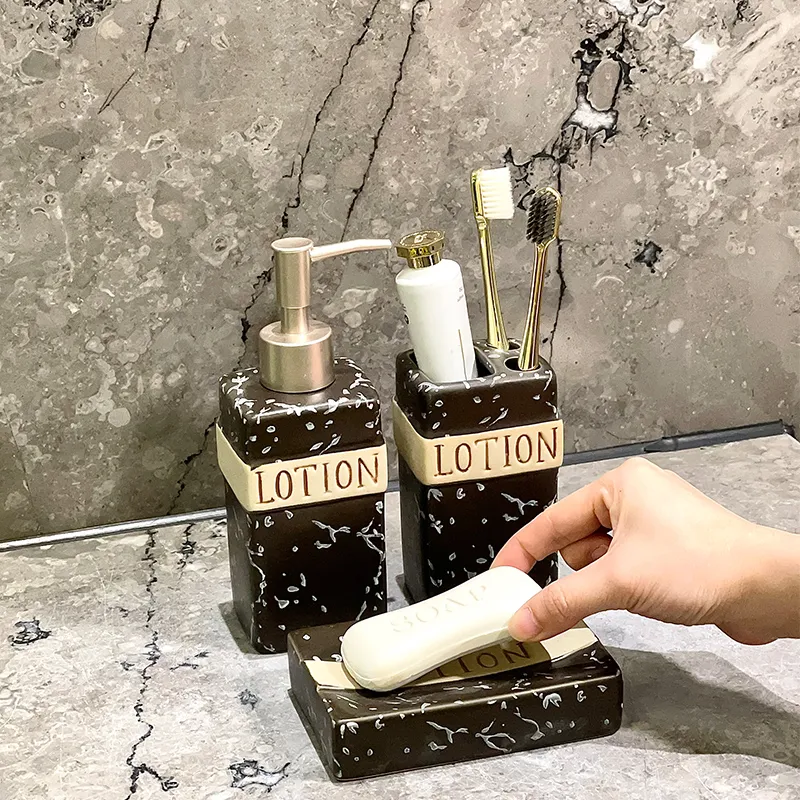
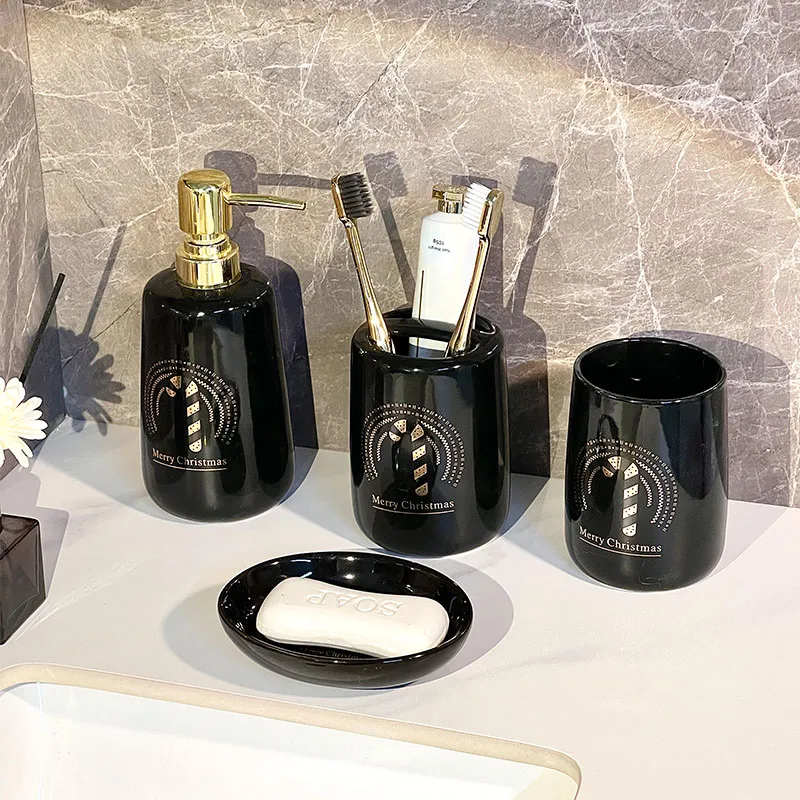
Bei späteren Optimierungen arbeitete der Kunde mit Yigejia Keramik zum Wechsel zu Keramik-Seifenschalen und auf ein einheitliches Badezimmer-Set (Seifenschale + Spender + Becher) umgestellt. Die Veränderungen, die diese Umstellung mit sich brachte, waren sofort spürbar:
- Die Häufigkeit des Austauschs ging deutlich zurück, was die Wartungskosten senkte.
- Verbesserte Nutzererfahrung, die zu einheitlicheren Bewertungen führt
- Ein einheitlicher Produktstil verbesserte die ästhetische Qualität des Raums
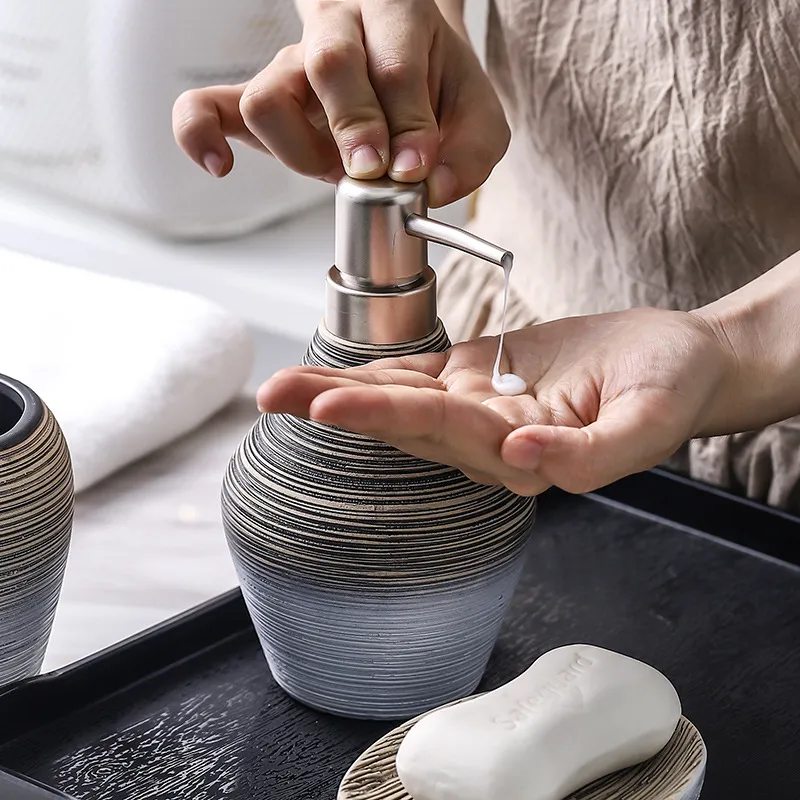
Anwendungsempfehlungen:
Für kurzfristige Werbeaktionen oder Märkte mit niedrigem Preisniveau mag Plastik funktionieren. Aber für Hotels, Ferienvermietungen oder den Markeneinzelhandel empfehlen wir dringend Keramik - und die Verwendung von Set-Verpackungen, um den wahrgenommenen Gesamtwert zu steigern.
Empfohlen: Warum YIGEJIA wählen?
Für Kunden, die ein ausgewogenes Verhältnis von Qualität, stabiler Versorgung und Markenaufwertung suchen, Yigejia Keramik bietet einen größeren langfristigen Wert für die Wahl einer Partnerschaft. Mit einem vollständigen Produktionssystem und ausgereiften OEM/ODM-Fähigkeiten, Indem wir unsere Kunden bei der Entwicklung von Produkten unterstützen, die sich durch ihr Design von anderen abheben, sorgen wir für eine konsistente Massenproduktion und zuverlässige Lieferung, Handwerkskunst, und Verpackung. Das macht uns zu einem idealen Partner für den Mid- bis High-End-Markt und für B2B-Kunden, die auf nachhaltiges Wachstum ausgerichtet sind.
FAQ (Häufig gestellte Fragen)
Q1. Sind Seifenschalen aus Keramik bruchgefährdet?
Keramik ist etwas spröder als Kunststoff, aber das Brennen bei hohen Temperaturen verleiht ihm genügend Festigkeit. Bei normalem täglichem Gebrauch ist das selten ein Problem - vor allem, wenn der Boden rutschfest ist.
Q2. Sind Seifenschalen aus Kunststoff wirklich ungeeignet für den langfristigen Gebrauch?
Sie können zwar verwendet werden, sind aber mit der Zeit anfällig für Alterung, Verfärbung und Verschmutzung - und das macht die langfristigen Wartungskosten weniger wirtschaftlich.
Q3. Sind Seifenschalen aus Keramik für den Verkauf im elektronischen Handel geeignet?
Sie eignen sich sehr gut, vor allem als Sets (Seifenschale + Spender + Becher), die es leichter machen, Produkte mit einem höheren durchschnittlichen Bestellwert zu kreieren.
Schlussfolgerung
Für die meisten Haushalte ist ein Keramik-Seifenschale ist für den langfristigen Gebrauch die bessere Wahl, da sie eine längere Lebensdauer, eine einfachere Reinigung, eine bessere Hygieneleistung und ein hochwertigeres Aussehen bietet. Seifenschalen aus Kunststoff sind zwar erschwinglich und in bestimmten Situationen praktisch, erfordern aber in der Regel einen höheren Pflegeaufwand und müssen mit der Zeit ersetzt werden.
Wenn Sie Wert auf langlebige Qualität, geringen Pflegeaufwand und elegantes Baddesign legen, ist Keramik im Allgemeinen die klügere Investition.