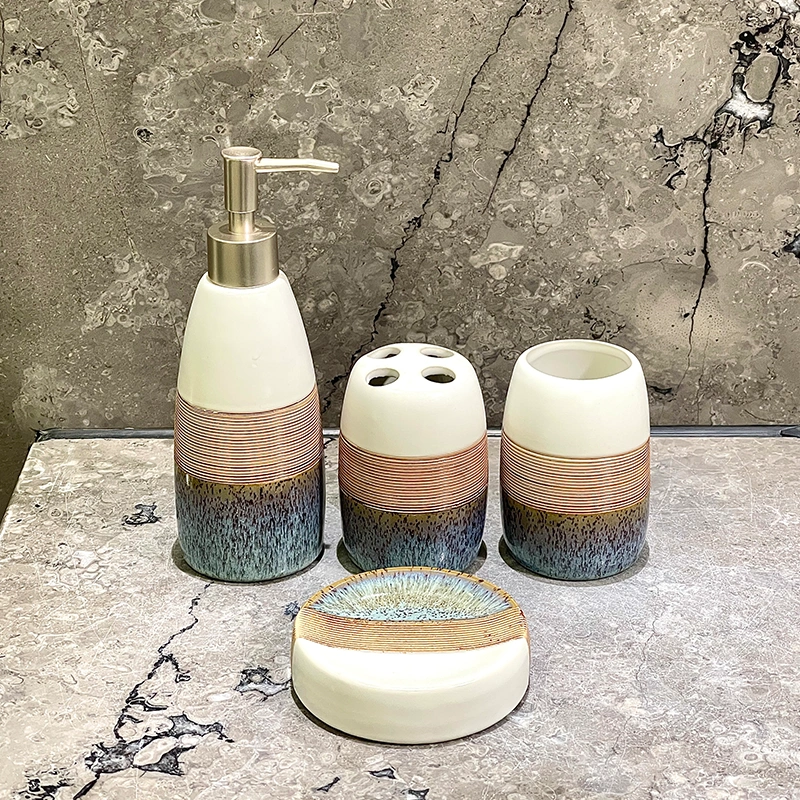
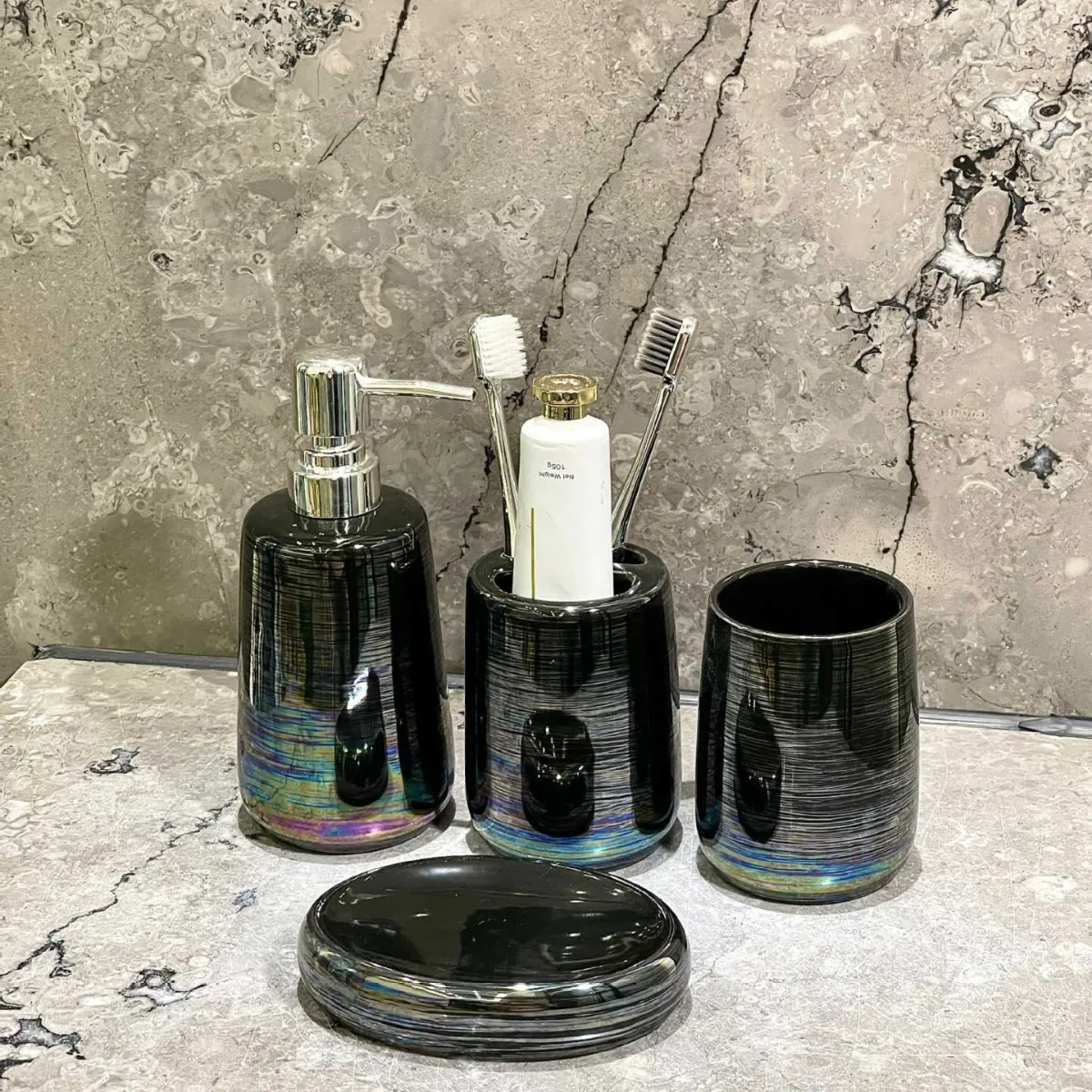
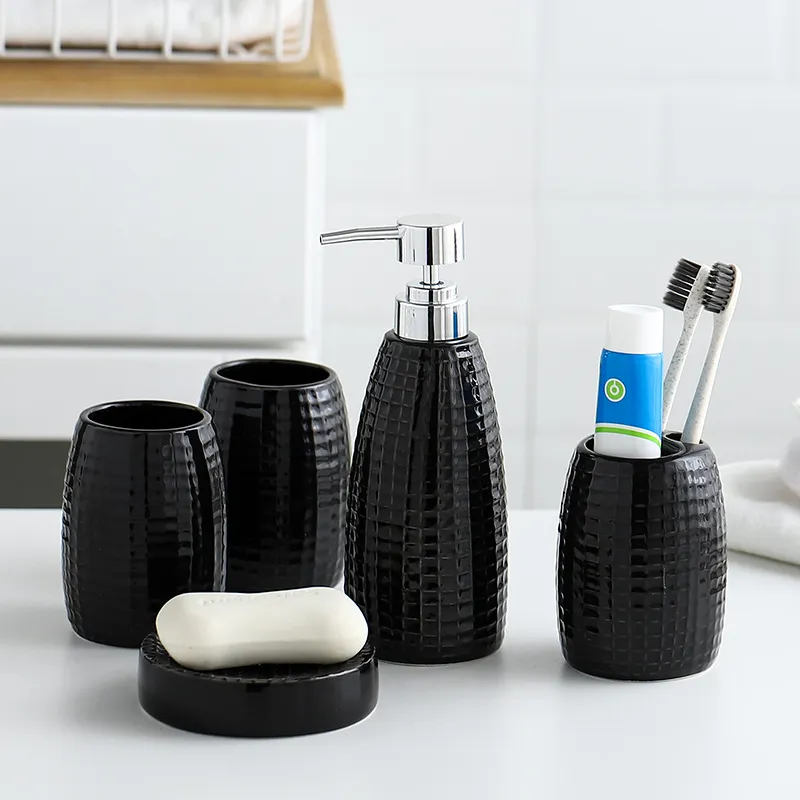
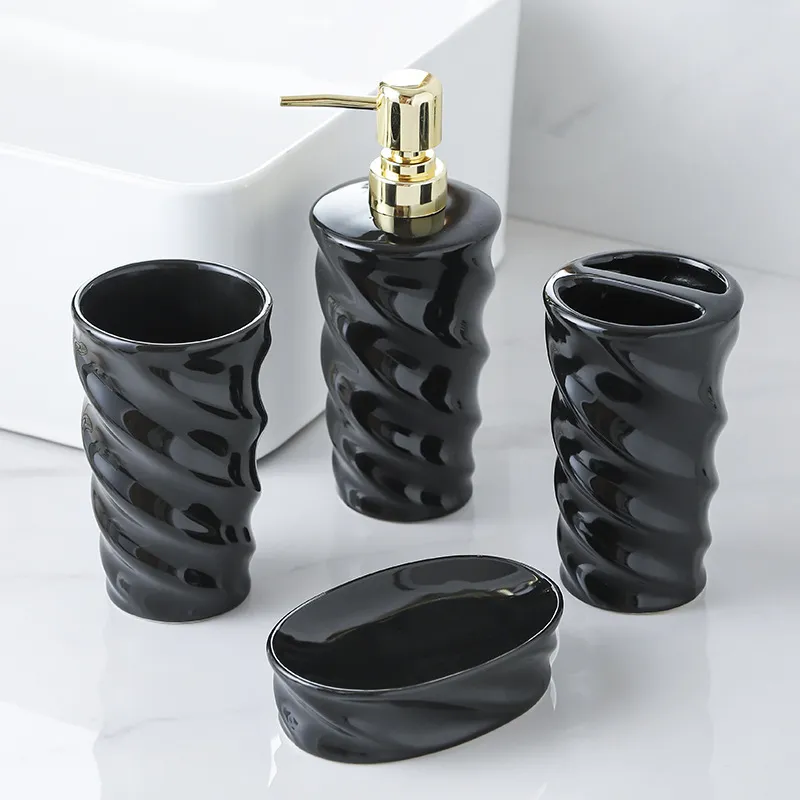
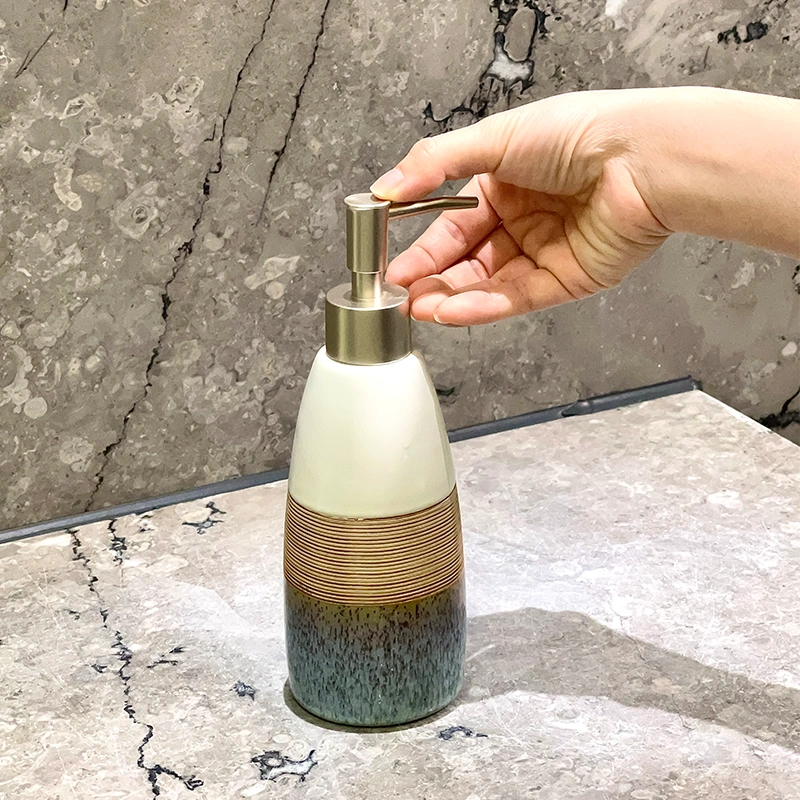
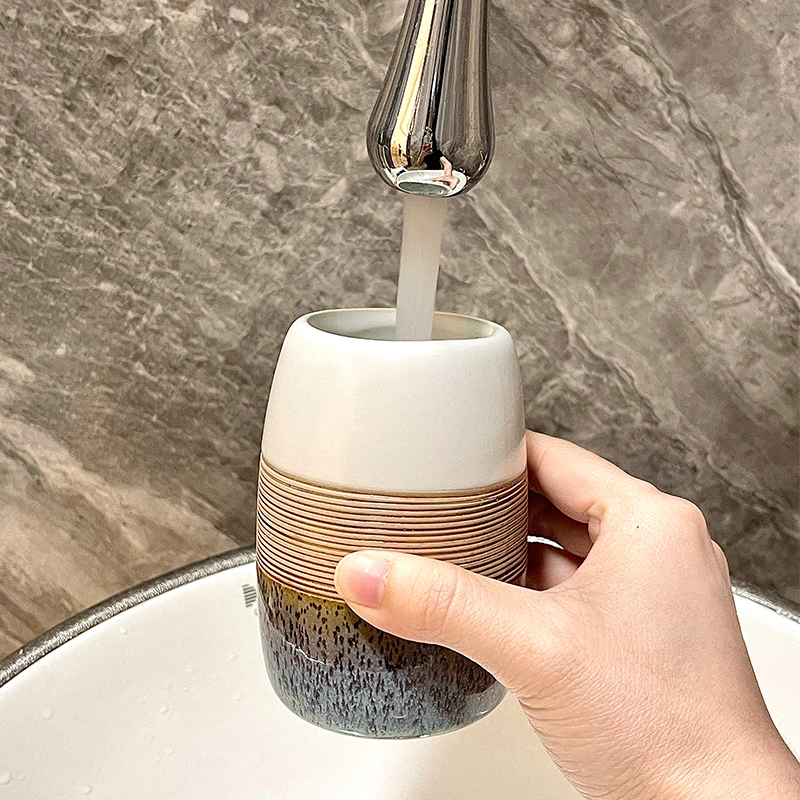
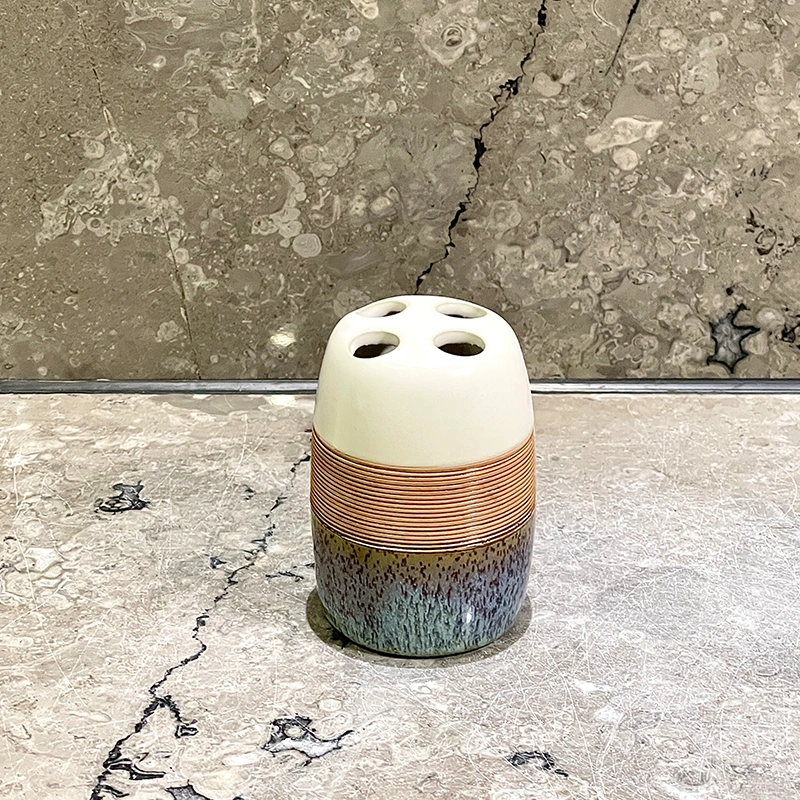
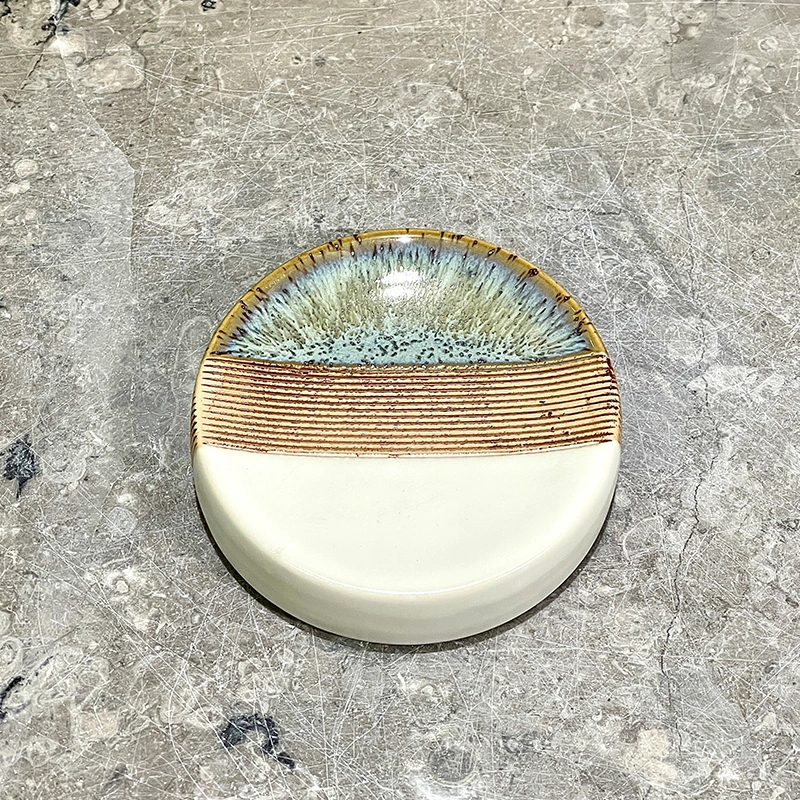
Success in the ceramic bathroom accessories market is no longer determined by price alone. Manufacturers that combine original design, consistent quality, OEM/ODM customization, reliable production, and strong supply chain management are far more likely to secure long-term partnerships with global buyers.
سيراميك ييجيا is a trusted ceramic bathroom accessories manufacturer. With over 20 years of industry experience, supported by strong قدرات تصنيع المعدات الأصلية (OEM) وتصنيع التصميم الأصلي (ODM), strict quality control, and thousands of showroom designs, helping brands build differentiated bathroom collections with confidence.
The Shifting Landscape of Ceramic Bathroom Accessories
Growing Consumer & Retailer Expectations
The ceramic bathroom accessories market has become increasingly fragmented over the past decade.
Today’s buyers can source products from:
- Large international brands
- شركات متخصصة في تصنيع السيراميك
- Regional factories
- Trading companies
- OEM suppliers
- Private-label manufacturers
- العلامات التجارية في مجال التجارة الإلكترونية
This wide variety of suppliers gives buyers more options than ever before—but it also makes it harder for manufacturers to stand out.
Several factors are reshaping competition:
Growing Consumer Expectations
Modern consumers expect more than attractive products.
They also value:
- Functional design
- Premium finishes
- مجموعات منسقة
- Sustainable packaging
- Long-lasting quality
Rapid Design Trends
Interior design trends now spread globally through:
- Houzz
- Online furniture retailers
As a result, bathroom accessory collections must evolve faster to match changing consumer preferences.
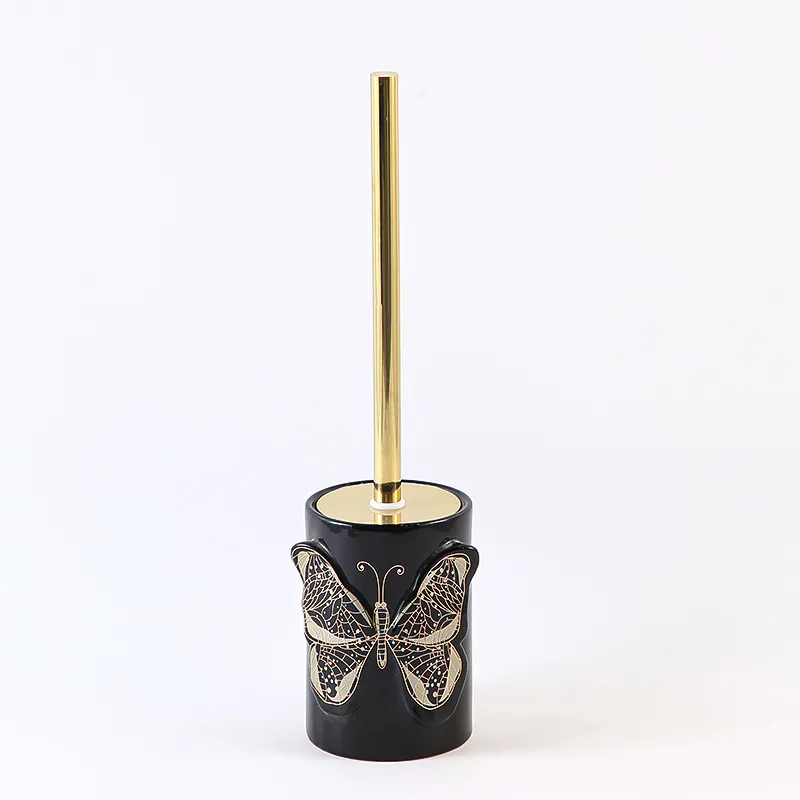
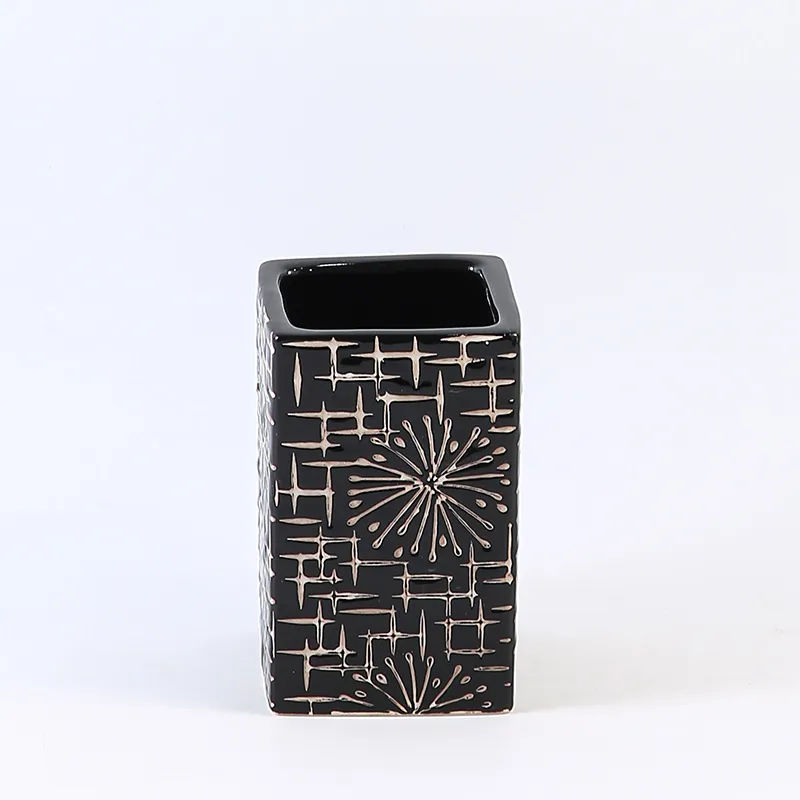
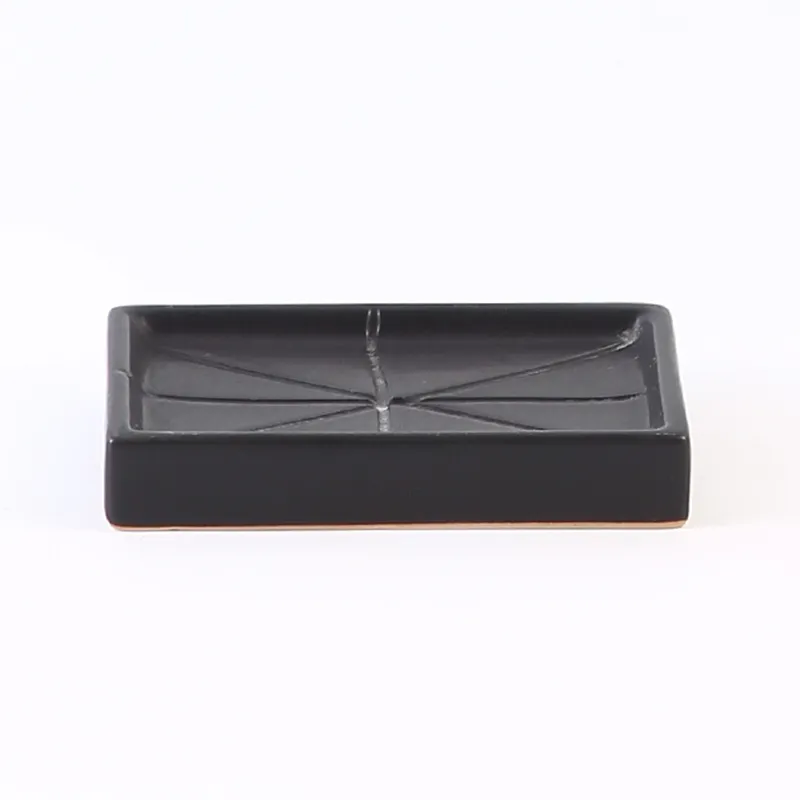
The Rise of Private Labels & E-Commerce Brands
Perhaps the fastest-growing competitors are not factories at all—but brands.
The rise of:
- Amazon
- Shopify
- Wayfair
- Walmart Marketplace
- Independent online retailers
has transformed the ceramic bathroom accessories market.
These businesses compete through:
- Strong branding
- Professional photography
- Premium packaging
- Customer reviews
- Social media marketing
Instead of simply selling ceramic accessories, they sell a complete lifestyle experience.
This shift has made OEM and ODM manufacturing more valuable than ever, as manufacturers increasingly become product development partners rather than simple production suppliers.
Global Supply Chain Shifts & Why China Remains Competitive
Competition in the ceramic bathroom accessories market is no longer limited to suppliers within the same manufacturing region. International buyers can compare factories across China, Vietnam, Thailand, India, Indonesia, Europe, and other production hubs.
This means manufacturers need to compete on more than labor or unit price.
For overseas buyers, the real comparison often includes:
- Product design and development
- اتساق عملية التصنيع
- قدرات التصنيع حسب الطلب (OEM) والتصميم والتصنيع حسب الطلب (ODM)
- MOQ flexibility
- مراقبة الجودة
- حماية العبوة
- Lead time
- Communication
- الخبرة في مجال التصدير
Industry market research also shows that bathroom accessory sourcing is increasingly influenced by renovation activity, hospitality projects, premium home interiors, and e-commerce. These factors create opportunities for manufacturers that can provide differentiated products rather than generic commodity items.
China continues to offer several advantages for إكسسوارات الحمام الخزفية buyers:
- Established ceramic manufacturing clusters
- Mature raw-material supply chains
- Extensive mold and forming capabilities
- Experienced export manufacturers
- Flexible OEM/ODM production
- Integrated packaging and logistics resources
For a Chinese manufacturer, the strongest proposition is therefore not simply “lower cost.”
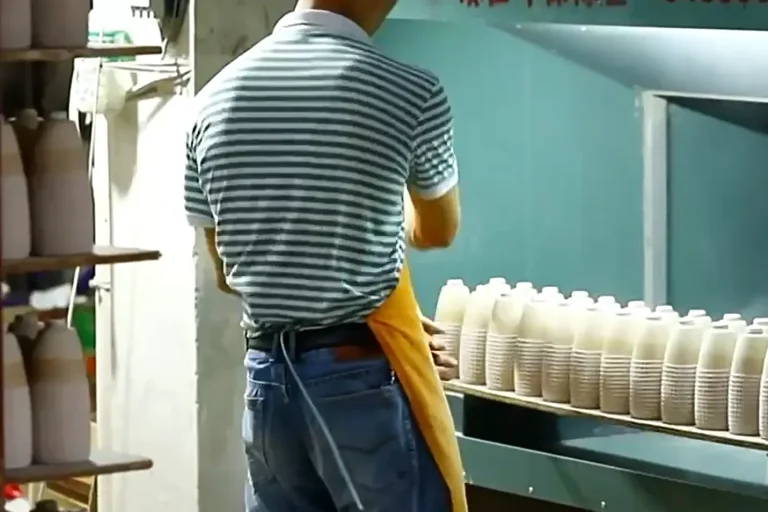
It is the ability to provide an integrated process:
Design → Sampling → Ceramic Production → Glazing → Quality Control → Packaging → Export
This integrated approach can reduce communication between multiple suppliers and make custom product development easier for overseas buyers.
Why Competing Beyond Price is Essential
The Trap of Low-Price Competition
Price is often the first factor buyers compare, but it should not be the only reason a manufacturer wins an order. In the ceramic bathroom accessories market, standard products such as white soap dispensers, tumblers, toothbrush holders, and soap dishes can become highly interchangeable.
When several suppliers offer similar products, the purchasing decision may quickly become:
Lower Price → Lower Margin → Less Investment → Less Differentiation → More Price Pressure
For manufacturers, this creates a difficult cycle.
A stronger approach is to build value around design, quality, customization, packaging, and supply reliability.
What Buyers Actually Compare (Beyond Unit Cost)
Professional buyers often evaluate suppliers based on several factors:
- Unit price
- الحد الأدنى لكمية الطلب
- Product design
- Ceramic quality
- قوام الطلاء الزجاجي
- Customization capability
- Sampling speed
- حماية العبوة
- القدرة الإنتاجية
- موثوقية التسليم
- Communication and after-sales service
Therefore, a supplier with a slightly higher quotation can still be commercially attractive if it reduces defects, transportation damage, development time, or inventory risk.
Converting Commodity Items into High-Value Collections
Product differentiation is a key competitive advantage.
One of the biggest challenges in the ceramic bathroom accessories market is product homogenization.
A standard ceramic four-piece set may be easy for multiple factories to reproduce. If the products look almost identical, buyers have little reason to choose one supplier over another.
From Commodity Products to Design Collections
Instead of selling only:
Standard White Ceramic Bathroom Set
a manufacturer can develop:
Matte Sand-Beige Ceramic Bathroom Collection with Organic Shapes, Coordinated Accessories, Custom Hardware, and Private-Label Packaging
The second proposition is harder to compare purely on price.
Differentiation can come from:
- Original shapes
- ألوان مخصصة
- Special glazes
- قوام الأسطح
- مجموعات منسقة
- Custom pumps
- Exclusive packaging
- Unique set configurations
The goal is not simply to make products unusual. The goal is to make them more relevant, recognizable, and less interchangeable.
Collections Can Outperform Individual Products
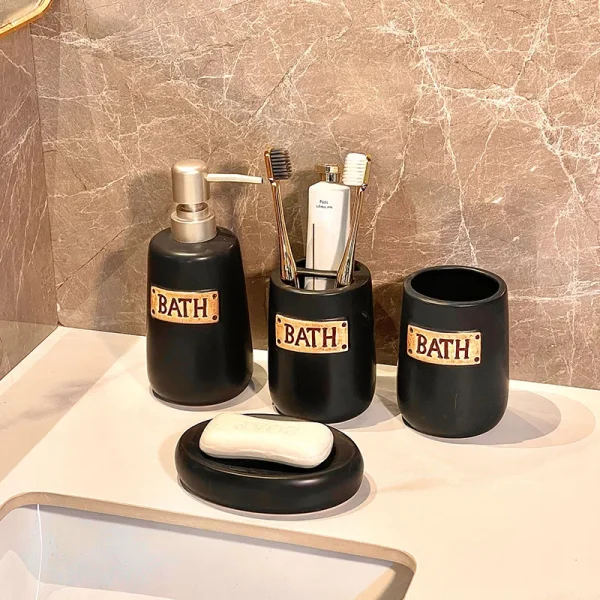
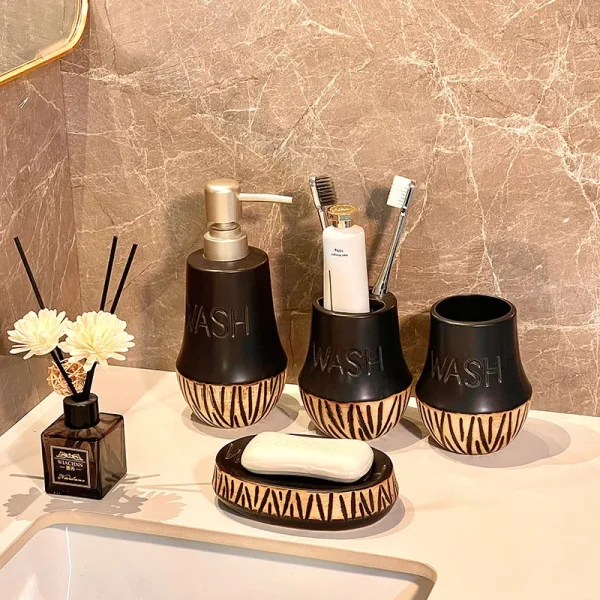
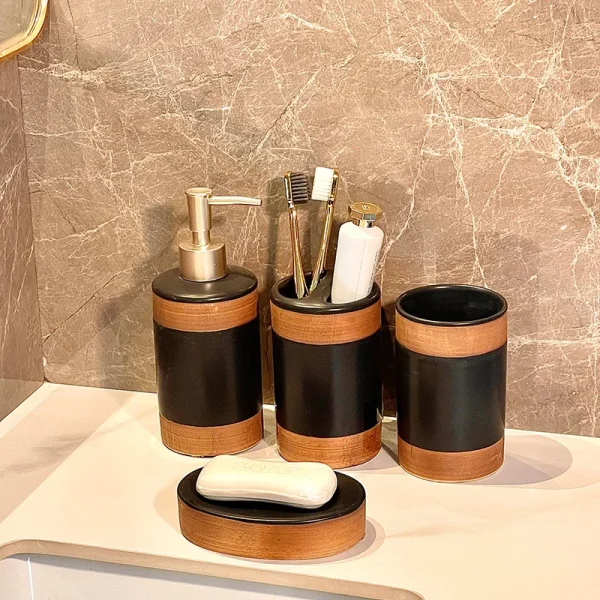
A complete collection can create stronger commercial value than an isolated product.
For example, a manufacturer can develop a coordinated series containing:
- موزع الصابون
- حامل فرشاة الأسنان
- كوب
- صحن الصابون
- Bathroom tray
- جرة قطنية
The collection can share the same:
- Ceramic body language
- Color palette
- Glaze
- Edge treatment
- Hardware
- Packaging style
This gives retailers and private-label brands a ready-made product concept instead of forcing them to build a collection from unrelated suppliers.
Competitive Advantage
A complete collection can also support:
- Cross-selling
- Higher order values
- Retail merchandising
- Seasonal launches
- Private-label programs
- Long-term product development
This is particularly valuable for buyers who want a consistent bathroom aesthetic rather than individual commodity items.
Building Strategic OEM & ODM Capabilities
Standard OEM Customization vs. Advanced ODM Development
التخصيص is becoming increasingly important in the ceramic bathroom accessories market, especially for private-label brands and retailers.
A standard catalog product can be purchased from many suppliers. An OEM or ODM product developed around a buyer’s requirements is less directly comparable.
OEM Customization May Include
- ألوان مخصصة
- الشعارات المخصصة
- Custom glaze
- Custom hardware
- Custom packaging
- Custom product combinations
ODM Development Can Go Further
An experienced manufacturer can help buyers develop:
- New shapes
- New collections
- New surface finishes
- New product configurations
- Market-specific designs
This changes the supplier relationship from product vendor to product development partner.
Quality Consistency vs. Sample Perfection: Avoiding Common Pitfalls
A beautiful sample does not guarantee successful mass production.
بالنسبة لـ إكسسوارات الحمام الخزفية, buyers should evaluate consistency across production batches.
Important quality factors include:
- Cracks
- Pinholes
- Glaze defects
- Color variation
- Deformation
- Uneven surfaces
- الحواف الحادة
- Base instability
- Assembly problems
For a four-piece bathroom set, consistency is especially important. All pieces should have a coordinated appearance and reliable functional performance.
Quality Consistency vs. Sample Quality
A supplier may produce an excellent sample but struggle to reproduce it thousands of times.
Professional buyers should therefore ask:
- How is glaze consistency controlled?
- How are defective pieces identified?
- What inspection stages are used?
- How are color standards confirmed?
- How are customized products controlled between batches?
For long-term sourcing, predictable quality is often more valuable than a perfect sample.
Packaging Engineering as a Secret Weapon for Protection & Branding
Packaging is especially important for ceramic products because they are relatively heavy and fragile.
A packaging solution should achieve two objectives:
Product Protection
It should reduce the risk of:
- Cracking
- Chipping
- Surface damage
- Breakage during handling
- Transportation damage
Brand Presentation
For private-label buyers, packaging can also support:
- Logo presentation
- Product positioning
- Retail display
- Unboxing experience
- Brand recognition
The best packaging strategy therefore considers both logistics and marketing.
A manufacturer that can coordinate product development, packaging design, and mass production provides buyers with a more complete sourcing solution.
A Five-Level Growth Strategy for Ceramic Manufacturers
Level 1: Build a Reliable Standard Collection
A strong catalog should include proven products with:
- Popular shapes
- Stable colors
- Reliable glazing
- Tested packaging
- Consistent production
Standard products provide a foundation for repeat orders.
Level 2: Develop Trend-Driven Collections
Manufacturers can then introduce:
- Seasonal colors
- New surface finishes
- Organic shapes
- Minimalist collections
- Coordinated bathroom sets
The goal is to give buyers reasons to refresh their catalogs.
Level 3: Strengthen OEM Customization
Offer customization such as:
- ألوان مخصصة
- الشعارات المخصصة
- الأشكال المخصصة
- Custom pumps
- Custom packaging
- Customized set combinations
This moves the relationship from simple product purchasing toward brand development.
Level 4: Provide ODM Product Development
An ODM supplier should be able to help buyers move from an initial idea to a manufacturable product.
This requires cooperation between:
Design + Ceramic Forming + Glazing + Sampling + Quality Control + Packaging.
The ability to coordinate these stages can become a significant competitive advantage.
Level 5: Develop Long-Term Strategic Partnerships
The highest-value relationship is not necessarily a single large purchase.
It can be a long-term partnership in which the manufacturer supports:
- New product development
- Seasonal collections
- New colors
- Packaging updates
- Repeat production
- Market expansion
This creates greater customer retention and makes the manufacturer more difficult to replace.
Pros & Cons of Different Market Positioning Strategies
Price-Based vs. Design-Led Strategy
| Competition Strategy | المزايا | السلبيات |
| Price-Based | • Easy to communicate • Attractive for highly price-sensitive buyers • Can support large-volume commodity orders | • Low margins • Easy for competitors to copy • High vulnerability to price wars • Limited customer loyalty |
| Design-Led Strategy | • Stronger differentiation • Higher perceived value • Better opportunities for premium positioning • Less direct price comparison | • Higher development costs • Requires stronger design capability • Trend-driven products may have shorter lifecycles |
Service & Supply Reliability Focus
المزايا
- Encourages repeat orders
- Reduces buyer risk
- Difficult for competitors to copy quickly
السلبيات
- Requires strong internal management
- Requires investment in quality and production systems
For most established manufacturers, the strongest strategy is not choosing only one approach. It is combining competitive pricing with design, customization, quality, and dependable service.
How Professional Buyers Evaluate Ceramic Suppliers
From a buyer’s perspective, a competitive supplier should be evaluated beyond unit price.
Before placing a large order, consider these questions:
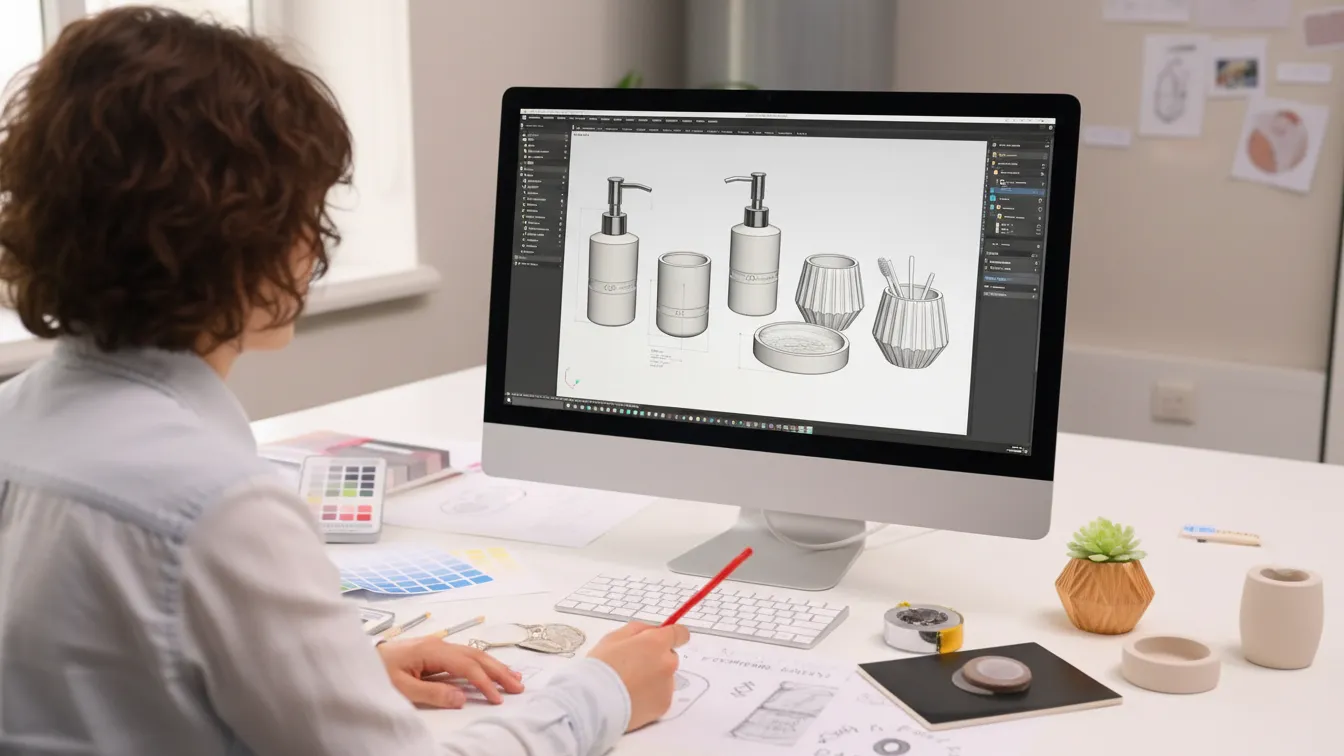
1. Product Development
- Does the supplier have original designs?
- Can it develop custom shapes?
- Can it provide color and glaze options?
- Can it create coordinated four-piece or six-piece collections?
2. Manufacturing
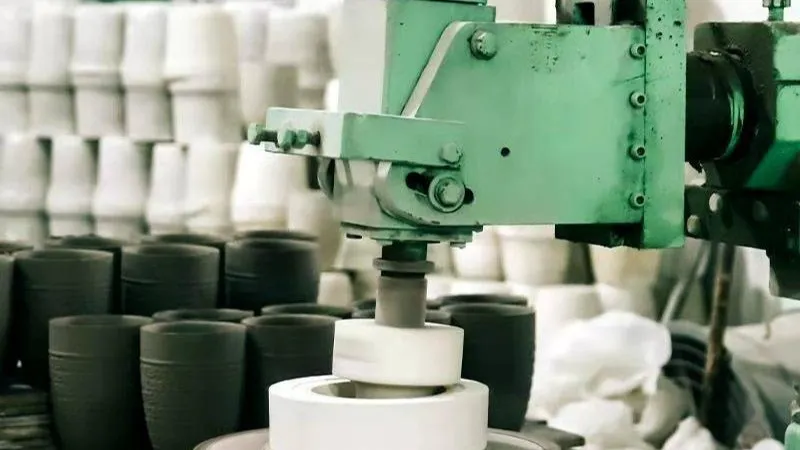
- Does the factory have suitable ceramic forming equipment?
- Can it maintain consistent dimensions and colors?
- Does it have a structured quality-control process?
- Can it support repeat production?
3. Customization
- Are OEM and ODM services available?
- Can the supplier customize logos and packaging?
- Can it develop products based on drawings or samples?
4. Commercial Terms
- Is the MOQ suitable for your business?
- Are lead times clearly defined?
- Can the supplier scale production when demand increases?
5. Packaging and Logistics
- Is the packaging designed for ceramic products?
- Has transportation protection been tested?
- Can the supplier provide export-ready cartons and retail packaging?
This checklist can help buyers distinguish between a low-cost supplier and a genuinely capable manufacturing partner.
Common Strategic Mistakes to Avoid
Even when demand is healthy, manufacturers can struggle to grow because their competitive strategy does not match what buyers actually value. In the ceramic bathroom accessories market, five mistakes are particularly common.
1. Competing Only on Price
Low pricing may win an initial quotation, but it can quickly create margin pressure.
If several factories offer similar ceramic four-piece sets, buyers have little reason to remain loyal to the supplier with the highest price.
A stronger approach is to combine competitive pricing with:
- Better product design
- Consistent quality
- Flexible OEM/ODM services
- Reliable delivery
- Better packaging
- Responsive communication
2. Copying Trends Without Building a Collection
Following popular colors or shapes can generate short-term interest, but copying individual products rarely creates a strong competitive advantage.
Instead, manufacturers should develop coordinated collections around a recognizable:
- Shape language
- Color palette
- Glaze
- Texture
- Hardware
- Packaging style
This makes the products easier for buyers to merchandise as a complete bathroom solution.
3. Ignoring Packaging During Product Development
Ceramic products are relatively fragile, so packaging should be considered before mass production rather than after the product has already been finalized.
A new design with thin handles, unusual shapes, or protruding components may require additional protective packaging.
Good packaging should balance:
Product protection + carton efficiency + retail presentation + transportation cost.
4. Treating Every Buyer the Same
A wholesaler, hotel project, e-commerce brand, and premium private-label retailer do not necessarily want the same product.
على سبيل المثال:
| Buyer Type | Main Priorities |
|---|---|
| Wholesaler | Price, MOQ, stable supply |
| Retail Brand | Design, packaging, consistency |
| E-commerce Brand | Appearance, packaging, reviews |
| Hotel Buyer | Durability, consistency, cost |
| Private-Label Brand | Customization, exclusivity, branding |
Understanding the buyer is therefore essential to competing effectively.
5. Focusing Only on New Customers
Winning a first order is valuable, but repeat orders can be even more important.
A strong supplier relationship can develop from:
Sample → First Order → Repeat Order → New Colors → New Products → Long-Term Collection
The ultimate goal should be to become a product development partner rather than simply another quotation on a buyer’s supplier list.
الأسئلة الشائعة
Q1. Is the ceramic bathroom accessories market highly competitive?
Yes. The ceramic bathroom accessories market includes global bathroom brands, specialized manufacturers, trading companies, regional factories, and private-label suppliers. Standardized products can face particularly strong price competition.
Q2. How can manufacturers avoid competing only on price in the ceramic bathroom accessories market?
Manufacturers can differentiate through original designs, coordinated collections, custom colors and glazes, OEM/ODM services, better packaging, quality consistency, and reliable delivery.
Q3. Why is OEM important for ceramic bathroom accessories?
OEM allows buyers to develop products around their own brand identity. Customized shapes, colors, finishes, hardware, logos, and packaging can make products less directly comparable with standard catalog items.
Q4. What makes a ceramic four-piece bathroom set competitive?
A competitive set should combine coordinated design, practical dimensions, consistent color and glaze, stable manufacturing quality, attractive packaging, and a price appropriate for its target market.
Q5. Is a lower unit price always better for buyers?
No. Buyers should consider total commercial value, including defect rates, packaging damage, lead times, customization capability, and repeat-order consistency—not just the initial unit price.
Q6. What should buyers ask a manufacturer when sourcing in the ceramic bathroom accessories market?
Ask about factory capabilities, forming technology, customization, MOQ, sampling, quality control, packaging, production capacity, lead times, and export experience before placing a large order.
Conclusion: Compete on Value, Not Just Price
The ceramic bathroom accessories market offers significant opportunities, but manufacturers cannot rely on low pricing alone.
Standard products are increasingly easy for buyers to compare.
The suppliers with stronger long-term potential are those that make themselves harder to replace through:
- Original product development
- Consistent ceramic quality
- Custom colors and finishes
- قدرات تصنيع المعدات الأصلية (OEM) وتصنيع التصميم الأصلي (ODM)
- Flexible product configurations
- Protective and attractive packaging
- Stable production capacity
- Reliable communication and delivery
For manufacturers of ceramic four-piece bathroom sets, the objective should not simply be to produce more units.
It should be to create products that buyers cannot easily replace with another supplier.
That means moving from:
Commodity Supplier → Manufacturing Partner → Product Development Partner.
In a competitive market, differentiation is not necessarily about making the most complicated product.
It is about creating the right combination of design, functionality, quality, customization, and commercial value for a specific target customer.
Build Your Competitive Ceramic Bathroom Collection with Yigejia Ceramics
For brands, wholesalers, importers, retailers, and hospitality buyers competing in the ceramic bathroom accessories market, the right manufacturing partner can become a genuine competitive advantage.
سيراميك ييجيا is a trusted ceramic bathroom accessories manufacturer headquartered in Chaozhou, Guangdong—the renowned “Ceramics Capital of China.” With more than 20 years of experience, ييجيا operates a modern factory covering over 10,000 square meters, equipped with slip casting, roller pressing, high-pressure forming, and automated kiln production lines.
The company specializes in mid- to high-temperature ceramics, including decal white porcelain, colored glazed ceramics, and hand-brushed ceramics. With strong OEM/ODM capabilities and strict quality control, ييجيا serves customers across Europe, the United States, the United Kingdom, Australia, South America, and Southeast Asia.
With thousands of designs displayed in its showroom, ييجيا can support both standard collections and customized product development.
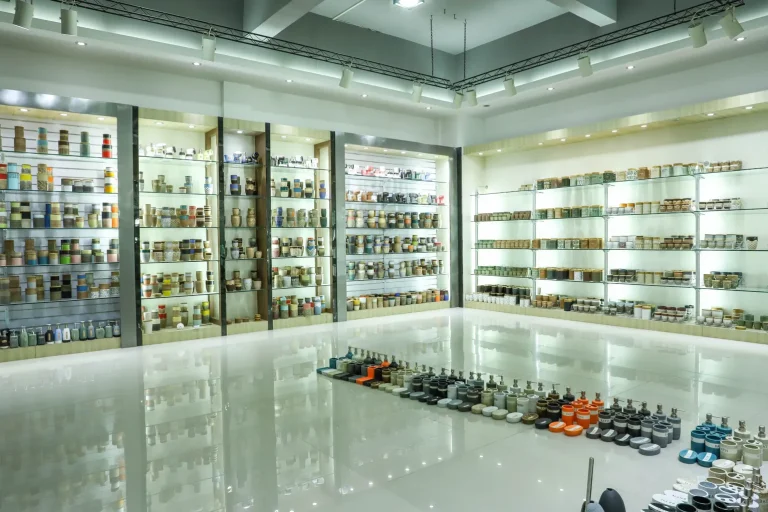
Looking for a reliable ceramic bathroom accessories manufacturer for your next four-piece bathroom set, private-label collection, or OEM/ODM project? Contact سيراميك ييجيا to discuss your designs, colors, finishes, packaging, and production requirements.
Don’t compete only on price. Build products that are easier to sell, harder to replace, and stronger for your brand.
-

Custom 4-Piece Bathroom Accessory Set, Reactive Glaze Luxury Hotel Bath Ceramic Accessories
-

Custom 4 Piece Bath Accessory Set Wholesale Electroplated Gradient Ceramic Bathroom Set
-
Black and White Bathroom Set Wholesale 5-piece Ceramic Bath Accessory Set with Pump
-
OEM Black Bathroom Accessories Set Supplier, 4-piece Spiral Relief Decor Bath Set with Gold Pump